By
By Exploring Kerala: Backwaters, Beaches & Culture
Welcome. This long-form listicle helps readers discover top jewels across backwaters, beach towns, hill stations, wildlife zones, forts, waterfalls, and rich cultural hubs. It is practical and planning-friendly.
Kerala is the only Indian entry on Rough Guides’ “World’s Top 26 Destinations for 2026.” Expect notes on houseboats, hikes, and heritage walks so you can shape a trip that fits your time and pace.
This guide tells you what each stop is best for, what to do, and what to know before you go—without making you dig through many pages. It previews three big buckets: Western Ghats escapes, Arabian Sea towns, and classic backwater circuits with village life.
Logistics matter: airport and rail tips, and trip-length cues, are woven through the itinerary ideas for short breaks, long weekends, and one-week plans that match common flights and trains in India.
Why Kerala Belongs on Your Travel List Right Now
Kerala’s recent global spotlight matters for travelers planning now: more interest means extra flight options, improved service, and a wider range of accommodations. The state is the only Indian entry on Rough Guides’ “World’s Top 26 Destinations for 2026,” a useful cue that demand and infrastructure are both rising.
What “God’s Own Country” actually feels like
The phrase points to real, repeatable experiences: lazy backwater cruises, palm-lined beaches, misty hill stations, spice-country walks, and compact heritage neighborhoods. These scenes are easy to combine on a single itinerary, so travelers get variety without long transfers.
Geography as a travel advantage
Kerala sits with the arabian sea at its western edge and the western ghats rising to the east. That short distance between coast and highlands makes day-to-day variety simple—beach in the morning, tea gardens by evening.
Why the rivers matter
Forty-four rivers weave lagoons, canals, and backwaters across the state. They shape the slow-travel mood and create quiet boat routes, village-side stays, and scenic waterways that are central tourist attractions.
How this helps you pick trip options: the range here fits couples, families, solo travelers, and friends. Use the next section to choose by vibe—houseboats, wildlife, hills, or shorelines—and match trip length and access points to your priorities.
How to Use This Guide to Pick the Right Kerala Trip
Decide your dominant vibe up front — houseboat calm, hill-station air, wildlife sanctuary adventure, or simple beach downtime. Start there and scan entries for that mood first. That makes it easy to shortlist relevant places visit without reading every line.
Mix styles for balance. A practical mini-itinerary looks like this: 2 nights in the hills, 1 night on the backwaters, and 2 nights by the sea. That blend keeps travel time low and gives variety.
Quick planning signals to compare
Each listing shows an ideal duration so you can match stops to a long weekend or a full week. Check the nearest airport and nearest railway station noted for each entry — transport convenience cuts planning friction.
Use a simple shortlist method: pick one anchor city (often Kochi) and add 2–3 nearby experiences. That reduces road time and keeps logistics tidy.
Remember: these are popular tourist places, not a checklist to finish. Choose what fits your pace and skip the rest.
Best places to visit kerala for First-Time Travelers
A simple, compact circuit helps you feel the state without long road days. Start in Kochi for arrivals and heritage streets, move into the Western Ghats at Munnar for tea gardens, then slow down on the Alleppey or Kumarakom backwaters. If time allows, finish with a beach stretch for a relaxed end.
Why this route works: Kochi is a major entry point with good flight links and a handy railway station. Munnar and the backwater belt offer widely available stays and steady travel times, so transfers are predictable compared with remote corners.
For a long weekend, pick two bases only — for example, Kochi + Alleppey or Kochi + Munnar — so you spend more time experiencing sights than commuting. For a full week, add one stop: a wildlife option like Wayanad or Thekkady, or a different coastal vibe at Varkala.
Plan logistics around the nearest railway station and flight options to avoid backtracking. This compact loop sets expectations for the main tourist attractions and gives a backbone that later sections can customize for specific tourist places and interests.
Munnar for Tea Gardens, Misty Views, and Western Ghats Escapes
Munnar’s ridgeline roads and endless tea terraces offer a striking contrast with coastal Kerala and create a true hill-station atmosphere. At about 1,532 meters above sea level, the air feels cool and the scenery reads as lush green across every ridge.
Must-see: Eravikulam and the Nilgiri Tahr
Eravikulam National Park is a core reason many include Munnar among notable places visit. The park is the prime Nilgiri Tahr habitat and the short trek up rolling grasslands offers reliable wildlife viewing and sweeping highland panoramas.
Scenic stops worth your time
Plan a single scenic day with Mattupetty Dam for calm lake views and boating, Kundala Lake for photogenic reflections, and Top Station for wide mountain panoramas. Each stop is compact enough for easy photo breaks and a relaxed pace.
Tea culture experiences
Visit the TATA Tea Museum for context on production and estate history. Follow that with estate walks where the fresh tea aroma and manicured rows of bushes make strolling feel restorative.
Trip logistics snapshot
For first-timers, the altitude brings cool mornings and thin air that dissolve into warm afternoons. Munnar works year-round; monsoon months deepen the lush greenery, while winter adds misty mornings.
Nearest air access is Cochin International Airport (about 110–125 km). Common railway station options are Aluva and Ernakulam, which link road transfers and onward taxis. Plan 2–3 nights here to keep your pace relaxed without rushing the key tourist attractions.
“The tea-scented trails and highland views make Munnar feel like a different state within a state.”
Alleppey (Alappuzha) for Backwaters, Houseboats, and Village Life
Alleppey unfolds as a slow-water chapter of Kerala, where houseboats thread canals and village life edges the shore.
Houseboat basics: what a kettuvallam cruise is actually like
A kettuvallam cruise is gentle and sensory. You glide along palm-lined canals, watch village life pass, and dine on fresh seafood and rice served on board.
Expect slow days, open views, and local conversations rather than packed itineraries. A night or a daytime cruise fits most short trips and gives a clear sense of backwater life.
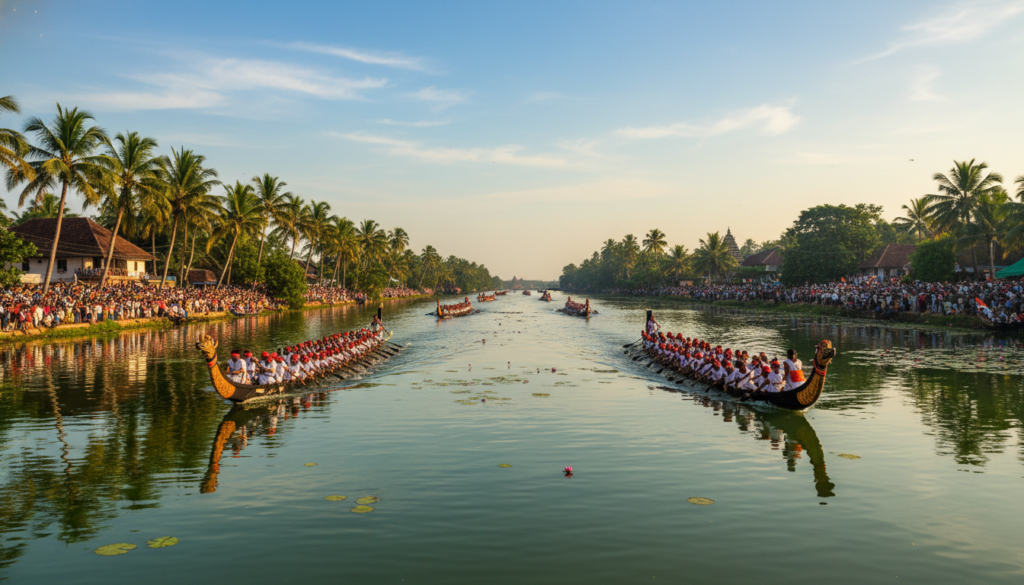
Don’t-miss event: Nehru Trophy Boat Race on Punnamada Lake
The annual nehru trophy boat is a high-energy cultural event held on Punnamada Lake. The trophy boat race draws trained oarsmen, loud crowds, and vivid pageantry—plan dates early if you want to attend.
For many travelers, the trophy boat race or a local boat race is the single most memorable live spectacle in this part of the state.
Beyond boating: Kuttanad paddy fields and Alappuzha Beach
Kuttanad’s paddy fields sit below sea level and make the landscape striking even on a short trip. The rice belts and narrow canals are a photo-ready contrast to houseboat lanes.
Quick shoreline time at Alappuzha Beach gives a simple Arabian Sea break without changing base, and the Ambalapuzha Sree Krishna Temple adds a calm cultural stop nearby.
Quick logistics: 1–2 nights here usually work well. Alleppey Railway Station is about 5 km from the backwater zone, and Cochin International Airport is roughly 78 km away. Alleppey pairs easily with Kumarakom for a rounded lake-and-resort sequence among tourist attractions and tourist places.
Kumarakom for Vembanad Lake Calm and Birdwatching
Here the water moves slowly, the resorts are low-key, and early mornings belong to the birds at the sanctuary.
Kumarakom is the quieter cousin of Alleppey, ideal for travelers who want a resort-forward, slow-travel rhythm along Vembanad Lake. Short boat rides and lake-edge evenings fit couples and families without long itineraries.
Kumarakom Bird Sanctuary
Go early for guided walks and binocular-ready viewing. The kumarakom bird sanctuary fills with migratory species each season, making it one of the standout tourist attractions for nature lovers.
Vembanad Lake and Pathiramanal Island
Beyond standard cruising, vembanad lake offers short trips and quiet sunset cruises. Pathiramanal Island is an easy add-on for birding and shoreline views without long travel.
Where Kumarakom shines
Sunset cruises, lakefront resorts, and low-effort days create a restful Kerala chapter. Use Kottayam as the nearest railway station (about 16 km) and pair Kumarakom with Alleppey for a fuller backwater segment. For flights, Cochin International Airport sits roughly 78 km away.
“A few slow days here feel like a reset—simple, scenic, and richly local.”
Kochi (Cochin) for Heritage Streets, Spice Markets, and the Arabian Sea
Kochi, also known as Cochin, serves as a cultural crossroads where waterfront rituals meet modern galleries and quick day-trip options.
Fort icons: Chinese nets and waterfront walks
Fort Kochi is the atmospheric quarter for evening walks. The chinese fishing nets punctuate the waterfront and light up at sunset, drawing photographers and casual strollers.
These chinese fishing nets are a living snapshot of trade-era techniques and make Fort Kochi a popular tourist stop for first-time travelers. Short strolls along the shore are compact and rewarding.
History trail: church, palace, and spice lanes
Walk from St. Francis Church—claimed as one oldest European churches in India—to Mattancherry Palace for a tight heritage loop. The Mattancherry spice market and Jew Town thrum with aroma: cloves, pepper, and cinnamon offer sensory shopping memories.
Culture evenings and practical base notes
Catch a Kathakali show or drop into contemporary art spaces for a modern counterpoint to colonial streets. Kochi links by rail and road; the main railway station handles many arrivals and Cochin International Airport gives easy flight access.
“Kochi feels like a short storybook of coastal history and daily life.”
Kovalam for Classic Kerala Beach Days and Ayurveda
A short drive from Thiruvananthapuram, Kovalam gives you soft sands, Ayurvedic centers, and calm evenings by the sea. Framed by the Arabian Sea, it’s the classic shoreline base for travelers who want easy resort comforts, palm-lined views, and a simple rhythm.
Pick your beach
Lighthouse Beach is the busiest, with a broad promenade and safe swimming spots. Hawa (Hawah) Beach feels windier and better for sunset photos. Samudra Beach is quieter and suits a relaxed day with fewer crowds.
Beyond sunbathing
Seafood shacks line the shore for casual meals. Beginner-friendly surfing lessons run on select days, and yoga classes fill mornings. The main draw is Ayurveda—many resorts offer massages and detox programs.
Who it fits: Families and first-time beachgoers who want comfort, amenities, and predictable logistics. Trivandrum International Airport is about 10–16 km away and Trivandrum Central railway station sits roughly 12–13 km from Kovalam, so transfers are short.
“Palm-fringed shores and lush greenery make Kovalam a relaxed coastal chapter worth a night or two.”
Varkala for Cliffside Views, Clean Beaches, and a Slower Coastal Scene
Varkala’s cliffside cafés and clean shorelines offer a relaxed coastal chapter away from busier beach hubs. The red cliffs give small walks real payoff: each turn frames the sea and a new view. This makes simple strolling feel memorable.
Kappil Beach and Kappil Lake form an easy, two-in-one nature moment. Start with a slow morning on kappil beach, then cross the short spit to the lake for birdlife and calm water reflections. The pairing fits a light schedule and needs little planning.
Sunset cliff walk and cultural anchor
Plan a perfect Varkala day: slow morning at the sand, a late-afternoon cliff walk, and sunset viewpoints along the promenade. Add a brief temple stop for balance.
The Janardhana Swamy Temple is the cultural anchor. A quick visit gives context and local rhythm without a long detour. It pairs well with cliffside cafés and evening chants.
Getting there and who will love it
Varkala links easily via Thiruvananthapuram and Kollam corridors. The nearest railway station sits within easy reach, and another railway station option offers flexible connections for a south coast circuit.
Who it fits: couples, solo travelers, and anyone after clean sands and calmer energy. For compact coastal stays and modest sightseeing, Varkala ranks among solid tourist places and tourist attractions in this region without the crowds.
“A slow cliff walk at dusk is the simple highlight most travelers remember.”
Wayanad for Waterfalls, Caves, and Wildlife Sanctuary Adventures
Wayanad packs waterfalls, plateaus, and dense forest into a compact adventure circuit. The region ranges from about 700–2,100 meters above sea level, so mornings feel cool and the views clear after early starts.
Safari and wildlife rhythm
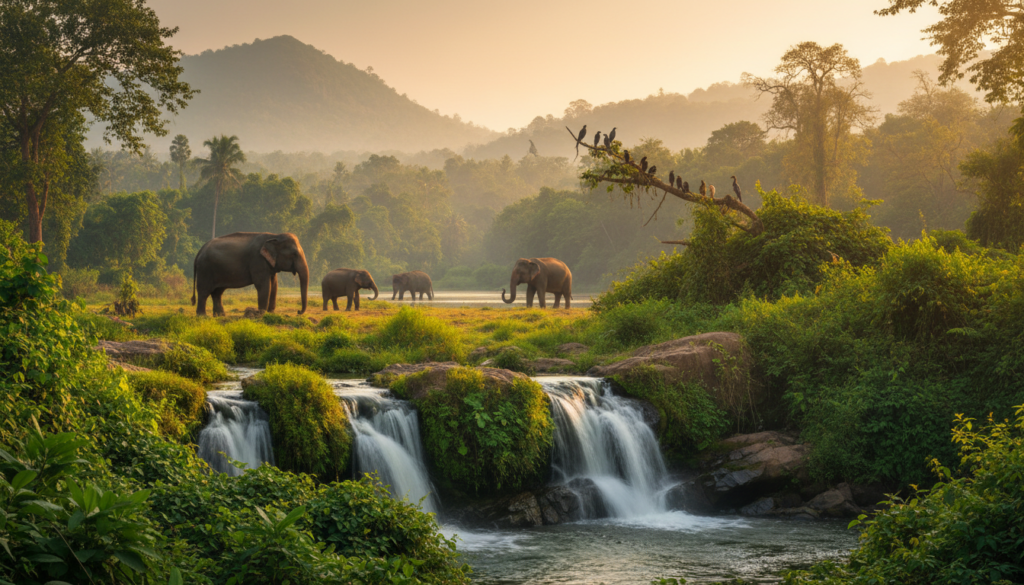
Wayanad Wildlife Sanctuary and Muthanga Wildlife Sanctuary run guided safaris that focus on elephants, deer, and seasonal birdlife. Plan dawn drives for the best sightings and book permits in advance during high season.
Signature treks and caves
Edakkal Caves pair a light scramble with ancient petroglyphs and unusual rock formations. Chembra Peak is the classic trek—start very early for the heart-shaped lake and broad highland views.
Big falls and engineered views
Soochipara Falls and Meenmutty Falls deliver raw monsoon power and good photo spots; short hikes add payoff. Round your stay with a visit to Banasura Sagar Dam, where islands and boating make an easy afternoon stop.
“Wayanad feels like an outdoors sampler—treks, caves, and safaris in one compact route.”
Quick logistics: plan 2–4 nights. Nearest airports are Calicut (~90–98 km) or Kannur (~95 km). Rail access commonly uses Kozhikode or Nilambur corridors and the nearest major railway station links onward road transfers.
Thekkady for Periyar Wildlife Sanctuary and Spice Country
Thekkady blends spice-scented plantations with evergreen forest trails for a compact wildlife escape. It feels different from beaches and backwaters — a mix of fragrant hills and calm lake hours.
Periyar Lake boating: spotting wildlife from the water
Periyar Wildlife Sanctuary is centered on a wide lake where boat trips are the main drawing card. Periyar Lake boating lets travelers watch elephants, deer, and birds from a quiet vantage point. This is a family-friendly angle and one of the clearer wildlife sanctuary viewing formats.
Top experiences: bamboo rafting, border hikes, and tiger-trail options
Choose from bamboo rafting, guided border hikes, or tiger-trail–style walks led by local naturalists. Sightings vary by season and luck, so set realistic expectations. All activities are guided and focus on safe, low-impact viewing.
Spice plantation walks around Kumily and cardamom hills
Wander small estates near Kumily where cardamom hills, pepper vines, and clove trees release strong, heady aromas. Spice walks are sensory and short, perfect after a morning boat ride.
Planning tip: Budget 1–2 nights in Thekkady. It pairs neatly between Munnar and Alleppey for an efficient route on many Kerala circuits. Road transfers are common; the nearest railway station is at Kottayam, so most travelers arrive by road from hill or backwater bases. Treat Thekkady as one of the memorable tourist attractions and tourist places worth a short stop on your map.
“A slow boat at dawn remains the single most peaceful way to meet Periyar’s wildlife.”
Athirapally Waterfalls for a Full-Day Nature Detour Near Kochi
A crisp morning drive from Kochi leads you to a wide, multi-stream fall and lush forest trails. Athirapally is one of India’s larger cascades on the Chalakudy River and drops about 80 feet in a dramatic curtain.
Why it’s a simple, high-impact day trip
Athirapally waterfalls give a reliable “wow” without an overnight. The multi-stream flow swells in the monsoon and sits amid thick, lush greenery that feels secluded and cinematic.
Quick full-day plan
Start early from Kochi (≈73 km). Spend time at the main viewpoint, take short forest walks, then add nearby Vazhachal and Charpa Falls for a fuller route. This sequence turns a drive into a compact nature circuit.
Practical notes
Timing and safety matter. Mornings give cleaner light and fewer crowds; monsoon visits are dramatic but can be slippery. For those relying on public links, the nearest railway station corridor is useful for planning if you don’t hire a car.
“A quick waterfall detour like Athirapally adds a memorable nature moment without changing your base.”
For a Kerala listicle, athirapally waterfalls slot neatly as an easy nature add-on among other tourist attractions and places visit kerala suggestions.
Vagamon for Offbeat Hill Station Vibes and Meadow Views
Vagamon trades crowds for calm: pine lanes, grassy slopes, and mist drifting across slow valleys make it a quietly scenic hill station choice in the western ghats.
Signature landscapes: wide meadows, scattered pine forests, and soft, misty valleys set the tone. These scenes suit travelers who prefer gentle views over busier hill stations.
Easy outdoor plan
Short treks and viewpoint walks dominate. Try a dawn stroll on the meadows, a short climb to Kurisumala viewpoint, and slow forest paths that end at simple lookouts.
Where Vagamon fits
Use Vagamon as a 1–2 night recharge between busier tourist places or as a detour for repeat visitors seeking a quieter chapter. It pairs well with nearby circuits for contrast.
Practical notes: weather is cool and often misty; homestays and hillside resorts work well for local charm. The nearest major railway station options are Kottayam and Tiruvalla, followed by a scenic road transfer.
“Vagamon is for calm, not checklist sightseeing.”
Thrissur for Kerala’s Cultural Capital Energy
Thrissur pulses with temple rhythms and festival energy that feel rooted in daily city life. It is the city many choose when they want ritual, loud percussion, and a living festival calendar rather than resort calm.
Festival highlight: Thrissur Pooram and temple-centered traditions
Thrissur Pooram is the headline event: giant processions, caparisoned elephants, and percussion ensembles. Dates change each year, so book early if you aim for the crowds and the atmosphere.
Expect intense sightlines and planning needs during pooram season. Thrissur pooram captures the city’s pride and draws visitors from across India.
Temple trail: Vadakkumnathan and Sri Krishna Temple visits
Start at Vadakkumnathan Temple for classic architecture and calm inner courtyards. Follow with a short stop at the Sri Krishna Temple for ritual viewing and local offerings.
The pair forms a compact temple trail that fits even a half-day schedule and highlights heritage, carvings, and worship routines.
Why include Thrissur in your route and practical notes
Thrissur sits well between Kochi and north Kerala and links easily by rail. Use Thrissur railway station connections to cut road time and make the city a smooth cultural bridge.
Quick etiquette: cover shoulders and knees, ask before photography, and follow temple rules. This respect keeps visits simple and meaningful.
“Thrissur Pooram is a city-sized celebration that rewards planning and patience.”
Bekal for Sea Views and Fort History on the Malabar Coast
Bekal sits where ramparts meet open water, giving the Malabar Coast a fortress-draped shoreline that photographs well. This is the “fort-and-sea” destination: not a pure beach day, but a coastal history moment framed by wide horizons and stone walls.
Bekal Fort: why it’s visually striking
Bekal Fort is one largest coastal forts in the region. Its long ramparts and rounded bastions point toward the Arabian Sea and create framed views that feel cinematic. Photographers and history fans like the stone textures, tidal views, and open parapets.
Walk the shore-facing walls for lookout points and small tunnels that open on sea vistas. The site remains outdoorsy and lived-in, not a glassed museum.
Timing, pairing, and practical notes
Plan a half-day for a relaxed walk; a full day if you add local beaches and Kasaragod town stops. Pair Bekal with other north coastal stops in the district kerala circuit for a slow, scenic route.
Best light comes at morning or late afternoon when the air is cooler and shadows give structure to the fort walls. Wear sturdy shoes — the stone paths can be uneven and slippery near wet sections.
Connectivity is simple: use the nearest railway station for north Kerala planning and then take a short taxi or bus. Bekal fits well on a Kasaragod coastal loop and is a clear example of coastal heritage that still feels open and outdoorsy.
“A heritage stop that still feels outdoorsy and scenic, not museum-like.”
Kollam, Ashtamudi Lake, and Munroe Island for Backwaters Beyond Alleppey
South Kerala’s backwater lane around Kollam opens a quieter chapter for travelers who want wide water and fewer crowds. Kollam, also known as Quilon, is a gateway for slower lake routes and village rhythms.
Ashtamudi Lake: houseboats, canals, and classic backwater scenery
Ashtamudi Lake stretches wide with branching canals that feel roomier than the Alleppey lanes. Houseboats here glide past open lagoons and quiet hamlets, offering calm light for photographers and slow travelers.
Munroe Island: quiet village rhythms, mangroves, and canoe routes
Munroe Island is the slowest chapter—mangrove tunnels, simple canoe rides, and everyday life at the water’s edge. Short walks and local craft scenes make this island feel intimate and unhurried.
Scenic journey idea: the long backwater cruise linking Kollam and Alappuzha
The longer cruise between Kollam and Alappuzha is often described as one largest immersive backwater experience. It links lake vistas with narrow canals and earns a spot among key tourist attractions and tourist places for repeat visitors.
Planning notes: Photographers and slow travelers should budget 2–3 nights. Kollam railway station serves most arrivals; use a local boat or stitch this route with Varkala and Kovalam for a south-coast loop. For simple travel, the nearest railway station and short road hops make the sequence easy to add to a broader trip.
“A long Kollam–Alappuzha cruise feels like traveling through a living postcard.”
Wrap-Up: Turn These Kerala Tourist Attractions Into Your Perfect Route
Turn these entries into a real route by matching time with a compact regional loop. Pick 2–4 highlights and group them around a central hub so you spend hours exploring, not on the road.
Route ideas: Classic (Kochi–Munnar–Alleppey), Nature-first (Wayanad–Thekkady), and South beaches (Kovalam–Varkala–Kollam).
Use nearest airport and railway station cues to avoid backtracking when you mix north and south districts. That saves time and keeps your pace steady.
Quick checklist: if you want a wildlife sanctuary pick Wayanad or Thekkady; for national park scenery choose Munnar/Eravikulam; for forts head north to Bekal; for backwaters try Alleppey, Kumarakom, or Ashtamudi.
Stretch ideas: Silent Valley National Park for deep nature and Malampuzha Dam for gardens and views. Kerala rewards slower travel — the best choices are the ones that match your pace, whether that means waterfall day trips, quiet islands, or culture-rich cities.