By
By Exploring Varanasi – Temples, Ghats, and Spiritual Vibes
Varanasi, also known as Kashi or Banaras, is one of the oldest continuously inhabited city in the world, boasting a rich history that spans thousands of years.
Situated on the banks of the sacred Ganges River, this city is considered the spiritual capital of India, attracting pilgrims from around the globe. The ghats and temples here are not just architectural marvels but also hubs of spiritual activity, offering a unique blend of spirituality and vibrant street life.
This ancient city is a treasure trove of cultural experiences, with its ghats and temples being the epitome of India’s rich heritage.
Key Takeaways
- Varanasi is one of the oldest continuously inhabited cities in the world.
- The city is a significant spiritual hub, attracting pilgrims globally.
- Varanasi offers a mix of spirituality, history, and vibrant street life.
- The Ganges River and the ghats are central to the city’s spiritual identity.
- The city is home to numerous temples and cultural landmarks.
The Spiritual Capital of India
Varanasi, with its rich history and cultural heritage, stands as a testament to India’s spiritual legacy. This ancient city has been a beacon of spirituality for centuries, attracting pilgrims and seekers of knowledge from around the world.
The City of Light and Its Sacred Significance
Varanasi is often referred to as the “City of Light” due to its profound spiritual and cultural significance in Hinduism. The title symbolizes the idea that Varanasi is a place where the light of knowledge and spirituality shines brightly, dispelling the darkness of ignorance. The city’s significance is deeply rooted in its status as one of the seven holiest cities in Hinduism.
- Varanasi holds immense spiritual significance as one of the seven holiest cities in Hinduism.
- The city is believed to be the abode of Lord Shiva, and according to Hindu mythology, dying in Varanasi leads to moksha (liberation from the cycle of rebirth).
- The city’s position along the western bank of the Ganges River enhances its sacred status, as the river itself is considered divine in Hindu tradition.
A Brief History of One of the World’s Oldest Cities
Varanasi is one of the oldest continuously inhabited cities in the world, with a history dating back thousands of years. The city’s history dates back to the 12th century BCE, and it flourished during the Gupta Empire (4th-6th centuries CE), becoming a hub of learning that attracted scholars, philosophers, and theologians.
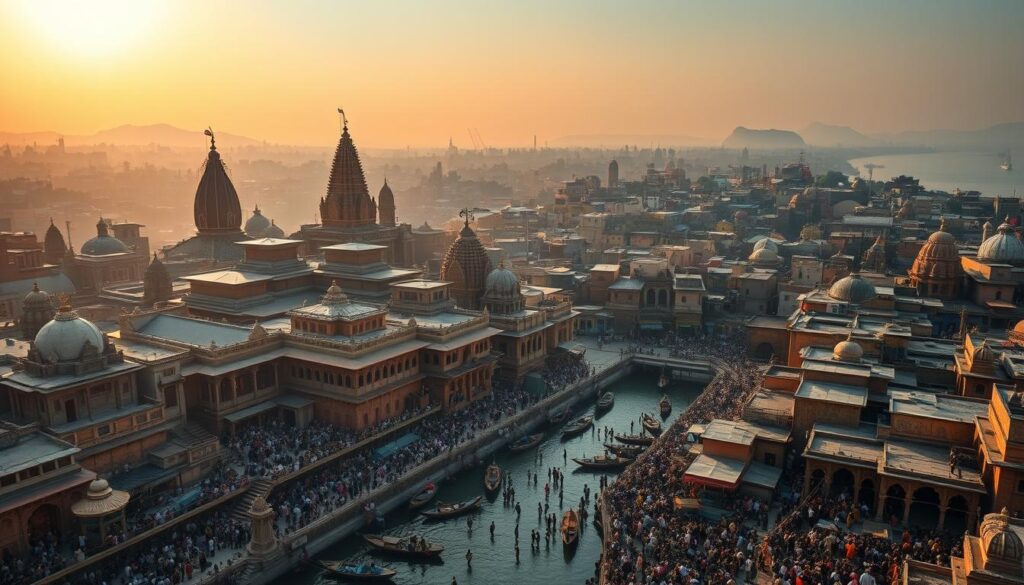
Despite facing several invasions throughout history, Varanasi has maintained its strong Hindu identity and continues to be a center of spiritual devotion. The city’s rich history and cultural significance are intertwined with the development of Hinduism and the spiritual heritage of India.
Best Time to Visit Varanasi
Determining the best time to visit Varanasi is crucial for a memorable experience in this ancient city. Varanasi, known for its spiritual significance, has a climate that varies greatly throughout the year, impacting the quality of your visit.
Seasonal Considerations
The city’s climate can be divided into three main seasons: winter, summer, and monsoon. Winter (November to February) is considered the best time to visit Varanasi, with pleasant daytime temperatures ranging from 15°C to 25°C (59°F to 77°F) and cooler evenings. In contrast, summer (March to June) can be extremely hot, with temperatures often soaring above 40°C, making outdoor activities challenging. The monsoon season (July to September) brings heavy rainfall, which can lead to flooding but also gives the city a lush appearance.

Festival Calendar
Varanasi is known for its vibrant festivals, with Dev Deepawali in November and Maha Shivaratri in February/March being significant events. These festivals offer a unique spiritual experience, with the ghats illuminated by thousands of lamps during Dev Deepawali.
Ideal Duration for Your Stay
For a fulfilling experience, an ideal stay in Varanasi ranges from 3 to 5 days. This duration allows sufficient time to explore the ghats, temples, and nearby attractions like Sarnath, absorbing the city’s spiritual atmosphere.
Kashi Vishwanath Temple – The Heart of Varanasi

Varanasi’s spiritual heartbeat is centered around the Kashi Vishwanath Temple, a temple of great historical and religious importance. This sacred site is dedicated to Lord Shiva and is one of the twelve Jyotirlingas, making it a pivotal pilgrimage destination.
Historical Significance and Architecture
The Kashi Vishwanath Temple has a rich history marked by periods of destruction and rebirth. The current structure, rebuilt by Queen Ahilyabai Holkar of Indore in 1780, stands as a testament to the enduring legacy of this sacred site. The temple’s spire, covered in gold donated by Maharaja Ranjit Singh of Punjab, is a striking feature that has earned it the nickname “Golden Temple.”
Visiting Tips and Etiquette
Visitors to the Vishwanath Temple must be aware of the strict security measures in place. Electronic items, leather goods, and outside flowers are not permitted within the temple complex. The best time to visit is early morning, between 5-7 AM, to avoid the crowds that gather throughout the day to offer prayers to Lord Shiva.
The Golden Temple Corridor Project
The recently completed Kashi Vishwanath Corridor Project has significantly enhanced the pilgrimage experience. By creating a 20-meter-wide pathway connecting the temple to the Ganges River, the project has improved facilities for pilgrims and transformed the area around the temple.
In conclusion, the Kashi Vishwanath Temple is not just a religious site but a symbol of Varanasi’s cultural and spiritual identity. As one of the revered temples in India, it continues to attract devotees and tourists alike, offering a glimpse into the city’s rich heritage.
Must-Visit Ghats Along the Ganges

With over 80 ghats, Varanasi offers a unique blend of spirituality and culture along the Ganges River. Each ghat has its own history, significance, and character, making them essential places to visit during your stay in this ancient city.
Dashashwamedh Ghat – The Main Attraction
Dashashwamedh Ghat is one of the most famous and vibrant ghats in Varanasi. It is believed to have been created by Lord Brahma to welcome Lord Shiva. This ghat hosts the spectacular Ganga Aarti ceremony every evening, attracting numerous devotees and tourists alike.
Assi Ghat – Where the Ganges Meets Assi River
Assi Ghat, located at the confluence of the Ganges and Assi rivers, is a popular spot among locals for morning yoga sessions. It offers a more relaxed atmosphere compared to the busier central ghats, making it an ideal location for those seeking tranquility.
Manikarnika Ghat – The Primary Cremation Site
Manikarnika Ghat serves as the main cremation site in Varanasi, where Hindu funeral pyres burn continuously. This ghat offers visitors a profound glimpse into Hindu beliefs about death and rebirth, making it a significant cultural experience.
Other Notable Ghats Worth Exploring
Other notable ghats in Varanasi include Harishchandra Ghat, the second cremation ghat; Scindia Ghat with its partially submerged Shiva temple; and Man Mandir Ghat with its magnificent observatory built in 1737. Each of these ghats tells a story of Varanasi’s rich cultural heritage.
The ghats are best experienced through a morning boat ride that allows you to witness the sunrise while observing locals performing their daily rituals along the riverbanks. This unique perspective provides a deeper understanding of the city’s spiritual vibes and cultural significance.
Experiencing the Ganga Aarti Ceremony

The evening Ganga Aarti ceremony in Varanasi is a spectacle that combines spirituality, beauty, and communal harmony. It is a ritual that has been performed for centuries, drawing hundreds of spectators daily to the ghats along the River Ganges.
What is Ganga Aarti?
Ganga Aarti is a powerful spiritual ceremony performed every evening at Dashashwamedh Ghat, where priests honor the River Ganges through synchronized rituals with fire, incense, flowers, and chanting. This ancient tradition represents gratitude to the goddess Ganga and creates a mesmerizing spectacle of light and sound.
Best Viewing Spots
For the best viewing experience, you can either watch from the steps of Dashashwamedh Ghat, book a boat ride that positions you on the water facing the ceremony, or view from rooftop restaurants overlooking the ghat. Alternatively, Assi Ghat offers a less crowded but equally authentic Ganga Aarti experience.
Timing and Photography Tips
The Ganga Aarti ceremony typically begins at 6:45 PM and lasts for about 45 minutes. It is advisable to arrive by 6:00 PM to secure a good viewing spot. For evening photography, bring a camera with good low-light capabilities and consider using a tripod. Be respectful when photographing the ceremony and avoid using flash.
The Ganga Aarti takes place every evening, creating a daily spectacle that is both a testament to the city’s rich cultural heritage and a deeply moving experience for visitors.
Sunrise and Sunset Boat Rides on the Ganges
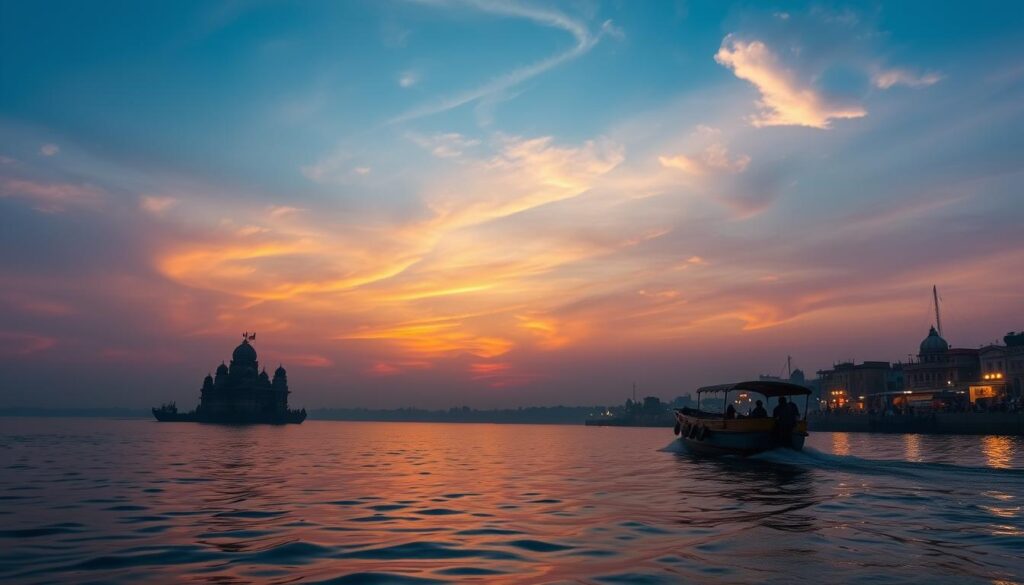
The Ganges River in Varanasi is best explored through a sunrise or sunset boat ride. This experience offers a unique perspective on the city’s spiritual life and ghats.
Why a Boat Ride is Essential
A boat ride on the Ganges is considered an essential experience in Varanasi. It allows you to witness the city’s ghats and spiritual activities from the sacred river itself. The serene atmosphere and the sound of prayers and chanting create a mesmerizing ambiance.
Booking Options and Costs
You can take boat rides directly with boatmen at the ghats or book through your hotel. Prices vary from ₹100 per person for a shared boat to ₹500-1,500 for a private boat, depending on the duration and time of day. It’s advisable to book in advance during peak tourist season.
What to Expect During Your Journey
During your ride Ganges, you’ll pass by the main ghats of Varanasi. Knowledgeable boatmen will guide you through the significance and history of each location. The journey typically covers 6-7 kilometers along the river Ganges, lasting about 1-2 hours. You can choose between a rowing boat for a more authentic experience or a motorboat for a faster journey.
Sunrise boat rides starting around 5:30 AM are particularly magical, with the city awakening and pilgrims performing their morning rituals. Sunset boat rides offer a different but equally enchanting experience as the evening light bathes the ancient buildings in golden hues.
Beyond Kashi Vishwanath: Other Temples to Explore

The city of Varanasi is dotted with ancient and modern temples, each with its unique history and architecture. While the Kashi Vishwanath Temple remains the most revered, Varanasi houses numerous other significant Hindu temples that showcase diverse architectural styles and religious traditions.
Sankat Mochan Hanuman Temple
The Sankat Mochan Hanuman Temple, dedicated to Lord Hanuman, is one of the most sacred temples in Varanasi. Devotees flock to this temple to seek relief from troubles; it’s particularly crowded on Tuesdays and Saturdays, considered auspicious days for worshipping Hanuman.
Durga Temple (Monkey Temple)
The Durga Temple, commonly known as the “Monkey Temple” due to the many monkeys that reside in its premises, was built in the 18th century in the North Indian Nagara style. Its distinctive red color and pentagonal shape make it a notable landmark.
Tulsi Manas Temple
Tulsi Manas Temple, constructed in 1964 in white marble, holds special significance as it was built at the site where the poet Tulsidas is said to have composed the epic Ramcharitmanas. The walls are inscribed with verses and scenes from the text, making it a unique cultural and religious site.
New Vishwanath Temple at BHU
The New Vishwanath Temple at Banaras Hindu University offers a more accessible alternative to the main Kashi Vishwanath Temple. It features a blend of architectural elements from various temples across India and allows entry to visitors of all faiths.
Other notable temples include the Nepali Temple with its exquisite woodcarvings, the Annapurna Temple dedicated to the goddess of food, and the Kaal Bhairav Temple dedicated to the fierce manifestation of Lord Shiva. Most Hindu temples in Varanasi open early in the morning and close late in the evening, with a brief afternoon closure.
Sarnath: The Birthplace of Buddhism

Sarnath, situated about 10 kilometers from Varanasi, is revered as the birthplace of Buddhism. This historic site is where Buddha delivered his first sermon after achieving enlightenment in the 6th century BCE, marking the beginning of Buddhism.
Historical Significance
Sarnath holds immense significance as a sacred Buddhist site. It is here that Buddha shared his teachings, laying the foundation for the Buddhist faith. The site continues to be an important pilgrimage destination for Buddhists worldwide.
The Dhamek Stupa
The imposing Dhamek Stupa, standing 43.6 meters tall and 28 meters in diameter, was built in 500 CE. It features intricate stone carvings depicting Buddhist motifs and is a remarkable example of ancient architecture.
Archaeological Museum
The Archaeological Museum at Sarnath houses a remarkable collection of Buddhist artifacts, including the famous Lion Capital of Ashoka, which became India’s national emblem. The museum showcases sculptures and relics dating from the 3rd century BCE to the 12th century CE, highlighting the rich heritage of the region.
Visitors can explore the extensive ruins of monasteries and temples that once formed a thriving Buddhist complex. Sarnath is easily accessible from Varanasi by taxi, auto-rickshaw, or public bus, making it an ideal half-day excursion.
The site’s significance extends beyond its historical importance, as it continues to attract Buddhists from around the world, particularly from countries like Japan, Thailand, Myanmar, and Sri Lanka.
Exploring Varanasi’s Old City
Exploring Varanasi’s Old City is like stepping back in time, with its narrow lanes and vibrant atmosphere. The Old City, with its labyrinthine network of over 2,000 narrow alleys, represents the heart and soul of this ancient settlement.
Navigating the Narrow Lanes
Navigating these winding alleys can be challenging but rewarding. Many lanes are barely wide enough for two people to pass, and you’ll need to share the space with wandering cows, scooters, and street vendors selling everything from flowers to religious items.
The area between Dashashwamedh Ghat and Godowlia Crossing contains some of the most fascinating places to visit, including Vishwanath Gali, which leads to the Kashi Vishwanath Temple.
Hidden Gems and Lesser-Known Spots
Hidden gems within the Old City include centuries-old havelis with intricate facades, small neighborhood temples that tourists rarely visit, and traditional akhadas where practitioners of this ancient sport still train.
- The Bengali Tola area is known for its literary heritage and traditional Bengali culture.
- Kabir Chaura is famous as the neighborhood where many renowned classical musicians have lived and performed.
Local Markets and Shopping
Local markets worth visiting include Thatheri Bazaar for brass and copper work, Vishwanath Gali for religious items and sweets, and the Chowk area for its famous Banarasi silk sarees and brocades.
Consider hiring a local guide for your first exploration of the Old City, as they can help you navigate the maze-like structure and reveal hidden stories and places to visit.
As you wander through the old city, you’ll discover a world that is both ancient and alive. The experience of exploring this vibrant area will leave you with unforgettable memories.
Cultural Experiences in Varanasi
Experiencing Varanasi is like stepping into a world of cultural richness. The city’s heritage is palpable in its various cultural experiences, making it a unique destination for travelers.
Classical Music and Dance Performances
Varanasi has been a center for classical North Indian (Hindustani) music for centuries. Visitors can experience authentic performances at venues like Sankat Mochan Temple during its annual music festival, or at cultural centers such as the International Music Centre Ashram and Tulsi Ghat.
- Attend a performance at Sankat Mochan Temple’s annual music festival.
- Explore cultural centers like International Music Centre Ashram.
- Enjoy traditional dance forms like Kathak at Banaras Hindu University.
Silk Weaving in Sarai Mohana Village
The city is renowned for its silk weaving tradition. A visit to Sarai Mohana village (about 5 km from the city center) offers the opportunity to witness master weavers creating intricate Banarasi silk sarees using techniques passed down through generations.
Yoga and Meditation Classes
Yoga and meditation have deep roots in Varanasi’s spiritual heritage. Numerous ashrams and centers offer classes for beginners and advanced practitioners alike, particularly along Assi Ghat and in the Kedar Ghat area.
The city’s culture is a vibrant mix of traditional practices and modern influences. Visitors can immerse themselves in the local culture by attending a cooking class, taking a cultural walk along the ghats, or simply soaking in the atmosphere.
Varanasi’s Culinary Delights

The city of Varanasi is renowned for its delectable cuisine, which is as vibrant as its spiritual landscape. Varanasi’s food scene is a reflection of its rich cultural heritage, influenced by both local traditions and the many pilgrims who have visited over centuries.
Street Food Specialties
Street food is one of the best things to experience in Varanasi. Must-try specialties include kachori sabzi (fried pastry with spicy potato curry), chaat (especially the local tamatar chaat made with tomatoes), and the hearty baati chokha (baked wheat balls with mashed vegetables).
Traditional Sweets and Desserts
Varanasi is famous for its sweets and desserts, particularly malaiyo (a saffron-flavored milk foam dessert available only in winter months), lavang lata (clove-flavored pastry), and the famous Banarasi paan (betel leaf preparation with various fillings) that serves as a digestive after meals.
Where to Eat: From Street Stalls to Rooftop Restaurants
For authentic local dining experiences, head to the area around Kachori Gali near Vishwanath Temple, Deena Chat Bhandar near Dashashwamedh Ghat for excellent chaat, or the legendary Kashi Chat Bhandar in Godowlia. Rooftop restaurants along the ghats offer spectacular views of the Ganges while serving a mix of Indian and international cuisine.
Some popular dining spots include Dolphin Rooftop Restaurant, Pizzeria Vaatika Cafe, and Lotus Lounge. The Blue Lassi Shop, tucked away in a narrow lane near Kashi Vishwanath Temple, has been serving over 80 varieties of this yogurt-based drink for generations. For a more refined dining experience, heritage hotels like Brijrama Palace and Suryauday Haveli offer excellent restaurants serving traditional Banarasi thalis.
Varanasi is indeed a city that offers a diverse range of culinary delights, making it a paradise for foodies. Whether you’re looking for street food, traditional sweets, or a refined dining experience, Varanasi has something to offer, showcasing the best things about this ancient city.
Accommodation Options in the Holy City
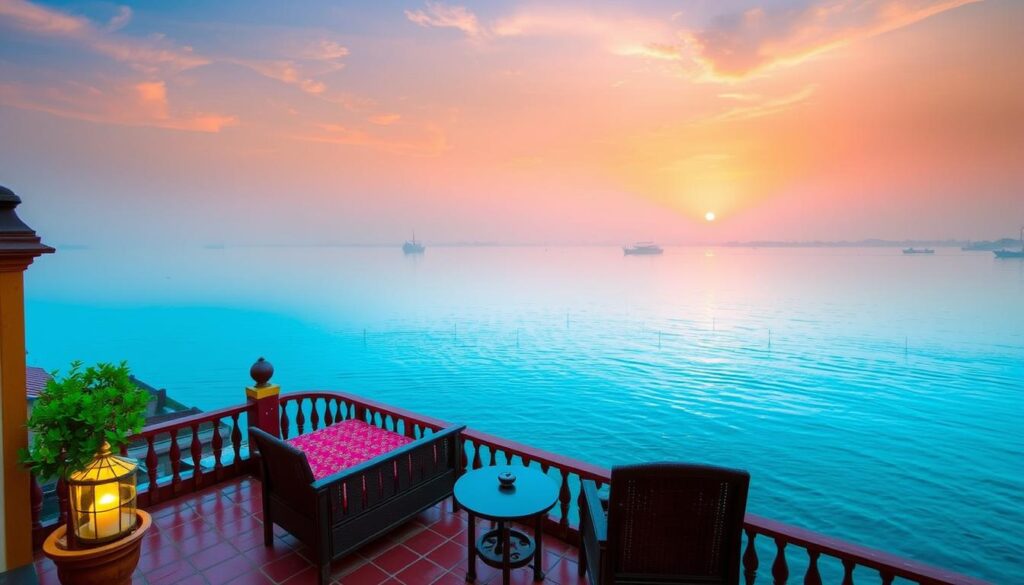
The holy city of Varanasi provides a wide array of places to stay, ensuring that travelers can find the perfect spot to immerse themselves in the city’s spiritual vibes. Choosing where to stay in Varanasi significantly impacts your experience, with accommodations near the ghats offering the most authentic atmosphere and easy access to the main places to visit in the city.
Staying Near the Ghats
The area around Assi Ghat is popular among international travelers and offers a range of options from budget guesthouses to mid-range hotels, with a more relaxed atmosphere than the central ghats and plenty of cafes and restaurants nearby. For those seeking an immersive experience, the areas around Dashashwamedh Ghat and Man Mandir Ghat provide the most central location for exploring the old city.
Heritage Hotels and Boutique Stays
Heritage hotels converted from former palaces and havelis offer a glimpse into Varanasi’s royal past, with properties like Brijrama Palace and Suryauday Haveli providing luxury accommodations in centuries-old buildings directly on the ghats. These hotels offer a unique blend of traditional architecture and modern comforts.
Budget-Friendly Options
Budget travelers will find numerous options in the Godaulia and Lahurabir areas, slightly away from the river but still within walking distance of major attractions, with clean rooms typically available for ₹500-1,500 per night. The Cantonment area and regions near Banaras Hindu University offer more modern accommodations with better road access.
Regardless of budget, booking in advance is essential during major festivals like Dev Deepawali (November) and Maha Shivaratri (February/March), when the best places to stay fill up quickly with pilgrims and tourists. Varanasi’s diverse accommodation options make it an accessible destination for travelers from all walks of life.
Practical Travel Tips for Varanasi
To make the most of your trip to Varanasi, it’s essential to be prepared with some practical travel tips. Varanasi, being a city with a rich history and cultural significance, requires a thoughtful approach to exploration.
Getting Around the City
Navigating Varanasi can be challenging due to its narrow lanes and crowded streets. Local transportation within Varanasi includes auto-rickshaws, cycle-rickshaws, and taxis, with fares starting at ₹20 for short rides. Auto-rickshaws and cycle-rickshaws work well for short distances, while pre-arranged taxis are best for longer journeys to places like Sarnath.
Safety Considerations
Safety in Varanasi is generally good, but standard precautions apply. Keep your valuables secure, be wary of scams targeting tourists, particularly around temples, and avoid walking alone along isolated ghats at night. It’s one of the best things to do in Varanasi to stay safe.
Dress Code and Cultural Etiquette
Dress modestly when visiting religious places and exploring the city. For women, clothes covering shoulders and knees are appropriate, while men should avoid shorts in temples. Carrying a scarf or shawl is useful for covering your head when required. Cultural etiquette includes removing shoes before entering temples and asking permission before photographing people, especially during cremations at Manikarnika Ghat.
Health and Hygiene Tips
Health precautions should include drinking only bottled water, being selective about where you eat, and carrying hand sanitizer for times when soap and water aren’t available. The best time to visit popular places is early morning (6-8 AM) when temperatures are cooler and crowds are thinner, making it ideal for things to do in Varanasi.
Consider purchasing a local SIM card for your phone if staying more than a few days, as navigation apps can be invaluable for finding your way through the labyrinthine streets of the old city, making it easier to visit various places in Varanasi.
The Timeless Appeal of Varanasi
As one of the oldest continuously inhabited city in the world, Varanasi offers a glimpse into India’s rich history and spiritual heritage. This ancient city stands as a living testament to the continuity of Indian civilization, with rituals performed today along its ghats that have remained largely unchanged for thousands of years.
The city‘s timeless appeal lies in its ability to exist simultaneously in ancient and modern times, where tradition and modernity blend seamlessly. Varanasi’s rich heritage is evident in its numerous temples, ghats, and cultural practices, making it a treasure trove of heritage and history.
Visitors to Varanasi are drawn into a world where the sacred and the mundane coexist, creating a unique cultural experience. Whether you’re drawn to Varanasi for religious reasons, cultural exploration, or simply curiosity, the spiritual essence of the city remains long after you leave, carrying with you memories of dawn boat rides and the eternal flow of the Ganges.