By
By Things to Do in Varanasi Beyond the Ghats
Set expectations: This quick intro points you to cultural stops, street food, markets, and day trips that go beyond ghat-hopping. Read on to feel ready to visit Varanasi with confidence.
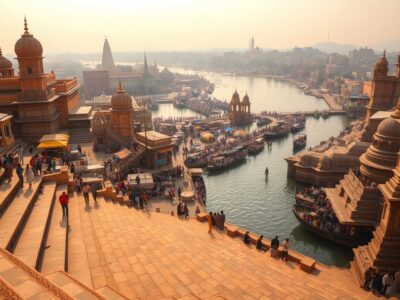
The city sits where the Varuna and Assi rivers meet the Ganges. You will sense busy lanes, temple bells, river views, and living heritage. The scene can feel intense, but it is deeply rewarding.
What “beyond the ghats” means: museums at BHU, sari weaving hubs, Ramnagar Fort, Sarnath, music traditions, and local food institutions locals swear by. We preview practical planning: best time to visit, how many days you need, how to get in, where to stay, and how to move around without stress.
Practical promise: Expect timings, distances, transfers, and budget ranges so inspiration becomes a real trip plan. There’s also a short note on respectful travel: temple etiquette, photo awareness, and why rituals deserve quiet attention.
Throughout this guide the River Ganges stays central, but we cover many more places and experiences across this world-famous city.
Why Varanasi Feels Like a World of Its Own
Three names, one living story: Kashi, Banaras and Varanasi all point to the same layered history. The last name links directly to the Varuna and Assi rivers and helps explain why the river shapes daily life here.
Kashi, Banaras, Varanasi: names rooted in Varuna and Assi
The names mark eras and communities. Kashi evokes sacred lore, Banaras reflects older trade and craft roots, and Varanasi ties the place to its small tributaries and their meaning.
River Ganges as the city’s lifeline on the northern banks
The river is practical and spiritual. Sunrise rituals, evening aarti and daily chores center on the banks of the river ganges. Both pilgrims and tourists come for that shared riverside energy.
What makes the holy city timeless for pilgrims and tourists today
The sense of a timeless place comes from constant motion: narrow lanes, chanting at temples, students, and street sellers. It is not a frozen museum but a home where prayer, trade and art overlap.
Note: Expect many hindu temples and small shrines packed into tight streets. Respectful behavior matters even when you are only sightseeing. Crowds and sensory intensity are part of the city’s personality — lean in and let the place teach you.
Best Time to Visit Varanasi for Weather, Festivals, and Crowd Levels
Timing shapes experience: Weather, festivals, and crowds change what you can comfortably do in a single day. Picking the right time visit helps with walking, photography, and choosing views for aarti.
October to November: pleasant days and Dev Deepavali season
October–November is a top season: daytime temps sit around 21°C–30°C. The post-monsoon air feels clean and walking is comfortable.
Dev Deepavali lights the riverfront, turning nights into a memorable festival scene with more visitors than usual.
December to January: peak winter travel and misty mornings
December–January brings cool mornings (about 9°C–22°C) and mist over the river. It’s magical but busy.
Expect higher hotel rates and larger crowds; pre-booking on weekend dates is wise.
February to March: comfortable temperatures for walking
February–March offers mild days around 15°C–25°C. This is ideal for long walks, markets, and museums without weather fatigue.
Summer and monsoon realities in North India
Summer can be extremely hot and draining. Plan early starts and shaded breaks if you must go then.
Monsoon (June–September) brings humidity, slippery steps, and unpredictable rains that affect boat rides and long walks near the ghats.
Crowd strategy: Arrive early for aarti viewpoints, pre-book for winter weekends, or choose quieter neighborhoods to avoid peak tourist clusters.
How Many Days You Need to Visit Varanasi (and What to Prioritize)
Deciding how many days to stay shapes whether you skim highlights or soak in the city’s rhythm. Below is a practical split so you can plan a smart, relaxed trip.
Quick trip: a two-day plan for first-time visitors
Two days should focus on essentials. Start with a sunrise boat or river-side calm as your anchor experience for day one.
Day one: morning calm, midday stroll in narrow lanes, and evening aarti at a major ghat. Day two: a key temple visit window, lunch at a local eatery, and one museum or market walk.
Keep the pace light. Allow time to wander central lanes without rushing and save energy for early-morning and evening rituals.
Slow travel: what to add when you have three to four days
With 3–4 days, add deeper cultural places: Bharat Kala Bhavan at BHU, a sari-market morning, and a half-day Sarnath loop or Ramnagar Fort visit.
Extra time improves the experience — you can walk slower, revisit the river at different times, and plan food breaks without squeezing them between sights.
Pacing tip: schedule a midday rest, keep buffers for traffic, and avoid stacking multiple major temples back-to-back. This is vital for families and older visitors.
How to Reach Varanasi From Major Indian Cities
Choose a mode—plane, train, car, or bus—based on comfort, budget and how much time you have. Each option links well with other major Indian cities, so pick what fits your trip plan.
By air: Lal Bahadur Shastri International Airport
The main airport is lal bahadur shastri. It sits about 15.5 miles from the city center and the transfer is usually about 30 minutes, depending on traffic.
Expect a taxi fare near ₹750 or a rickshaw option around ₹500. Plan extra time for luggage and peak-hour delays as the last mile can be slow.
By train: Varanasi Junction and nearby stations
The primary rail hub is Varanasi Junction (BSB). Many passengers also see DDU and MUV on their tickets, so check the exact station before you step off the platform.
Trains arrive frequently from major corridors, which keeps the rail option quick and budget-friendly.
By road: highways from Delhi, Prayagraj, Lucknow
NH19 and other highways connect the city to hubs like like delhi, Prayagraj and Lucknow. Driving gives flexibility, but expect slower progress inside town limits.
For a car trip, factor in extra time for congestion near central areas during peak hours.
By bus: booking tips and arrival realities
Book online through usual portals and expect to arrive east of the railway area. Last-mile autos or rickshaws are almost always needed from the bus stand.
“Keep essentials handy on overnight coaches and confirm pickup points before you board.”
Safety tip: For overnight buses keep ID, phone charger and valuables close, and avoid isolated waiting spots late at night.
Getting Around the City Without Stress
Getting around the old city can make or break your day here. Choose modes that match distance and mood to keep each experience calm and manageable.
Cycle and auto-rickshaw: best for short hops
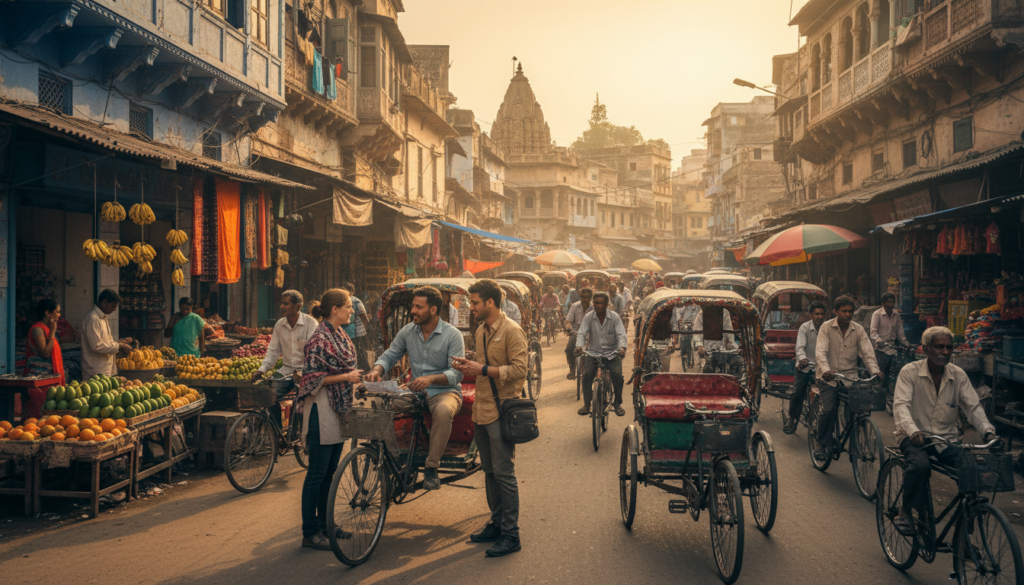
For quick trips expect ₹50–₹200. Negotiate the fare before you sit and keep small change handy.
Near markets and temples, movement slows during peak time. Factor that into short plans.
Taxis and how fares behave
Taxis often start around ₹50 with a per-mile rate (~₹19/mile). Crowds can make driving slow and drivers may drop you a short walk from narrow lanes.
Tip: Use a meter or agree a price and allow a little extra for traffic.
When walking is the smartest option
Many inner lanes are best covered on foot. Walking lets you reach temple corridors and market streets where vehicles cannot enter.
Wear supportive shoes, carry water, and use an offline map to avoid backtracking. Stay aware of personal space and move calmly with the flow to enjoy the city more.
Where to Stay in Varanasi for Your Travel Style
Picking the right neighborhood shapes not only your comfort but how you feel at dawn and after dark.
Staying near the ghats for sunrise-to-night energy
Choosing a place by the ghats puts you steps from sunrise walks and evening aarti. The river atmosphere becomes part of your day and makes the city feel alive.
Note: this area can be loud and crowded, so it’s best for people who want the buzz close to their home base.
Godowlia and Central Market: convenience first
Godowlia and the Central Market areas score high for shopping and quick food stops. They are ideal for first-time visitors who want short walks to many places.
Expect easy access to taxis and busy streets, which helps when you need practical services fast.
Near BHU and Hyderabad Colony for a calmer vibe
Hyderabad Colony and BHU side offer quieter lanes and a student-friendly feel. These neighborhoods suit longer stays, study time, or a restful break from crowds.
Choosing hotels, guest houses, hostels, and ashrams
Hotels give predictable comfort. Guest houses add local character. Hostels are best for budget tourists and social trips. Ashrams provide a quieter, spiritual stay.
Booking tip: winter dates sell fast. Confirm lane access if you carry large luggage — some properties require a short walk from the drop-off point.
Varanasi Travel Guide to the City’s Most Iconic Spiritual Stops
A well-timed temple visit makes a busy day feel simple and meaningful. Plan around crowd flows and ritual windows so you see more and wait less.
Kashi Vishwanath timing and planning for aarti
The kashi vishwanath complex typically welcomes visitors from about 4am–11pm. Choose early morning or late evening to avoid heat and heavy crowds.
At entry expect security checks, ticket lines and separate queues for special darshan. Build at least 30–60 minutes buffer for queues on peak days.
Jyotirlinga significance made simple
The shrine is one of the 12 jyotirlingas, a form of Shiva worship that symbolizes an eternal light. For first-time visitors, that meaning helps turn a stop into a moment, not just a photo op.
Etiquette, cameras and respectful movement
Dress modestly, speak softly, and follow staff directions. Avoid blocking aisles during aarti and let pilgrims move without obstruction.
Ask permission before photographing inside restricted zones. Keep phones down during rituals to show respect.
Navigating the Gyanvapi area
The Gyanvapi area is historically and politically sensitive. Stay calm, follow local guidance, and avoid discussion or confrontation about recent disputes.
When in doubt, listen to on-site staff and choose safety over argument. Remember that the holy city contains many smaller temples; leave time to discover them quietly.
“Arrive early, move with respect, and let each ritual be an observing moment rather than a checklist.”
Beyond the Ghats: Cultural Places That Show Banaras at Its Artistic Best
Beyond river views, the city’s art and music scenes reveal a quieter, richer side.
Bharat Kala Bhavan Museum at BHU
Bharat Kala Bhavan began in the 1920s and now houses over a lakh artifacts. The galleries range from Mughal-linked paintings to folk sculptures and a focused Banarasi saree section.
Pay attention to textile mounts and courtroom-style paintings that show craft links to the twentieth century. A museum visit is a calm, scholarly break from riverside crowds.
Banarasi sarees as living heritage
Look for fine zari, clear motifs, and tight, regular knots as signs of handloom skill. Ask if a piece is truly handwoven — that claim changes value and meaning.
This place of weaving is still a living craft; spotting the right weave tells you about technique and origin before you buy.
Classical music and dance gharana connections
The city is a home to long-standing gharanas. Even casual evening walks can carry the hint of a riyaz or a small recital. These performance traditions shape the city’s quieter nightly rhythm.
Plan it well: Pair BHU with a relaxed neighborhood meal so the afternoon feels like part of your overall experience, not a rush between sights.
Ramnagar Fort: A Mughal-Style Riverside Detour Worth Taking
Ramnagar Fort makes for a pleasant riverside detour that changes pace without leaving the water behind. Built in the 18th century by Raja Balwant Singh, the fort uses warm sandstone and Mughal-style details to create a royal silhouette along the river.
How to get there by boat from Assi Ghat
Most visitors reach the fort via a short boat ride from Assi Ghat. The crossing commonly takes around 30 minutes, depending on river conditions and boat type.
Timing tip: Go early in the day for softer light, cooler air, and clearer photos. Plan to return before evening rituals or dinner plans in the city.
What to notice in the sandstone and royal history
Look for carved jharokhas, Mughal-influenced arches, and the reddish sandstone that ages beautifully in sunlight. The site still reads like a royal residence rather than a fortress—museums and old family collections hint at its past.
Practical advice: Confirm return boat availability, agree the fare before you board, and carry water and sun protection. The fort is exposed and walking around can feel hot.
“An easy detour that keeps the river as your backdrop while adding history and calm to your trip.”
Sarnath as the Most Rewarding Half-Day Trip From Varanasi
Just a short ride from the city, Sarnath offers open lawns and quiet ruins that feel like a breath of fresh air. It is the ideal half-day escape when you want fewer crowds and more calm.
Why it matters:
Why Sarnath matters historically and spiritually
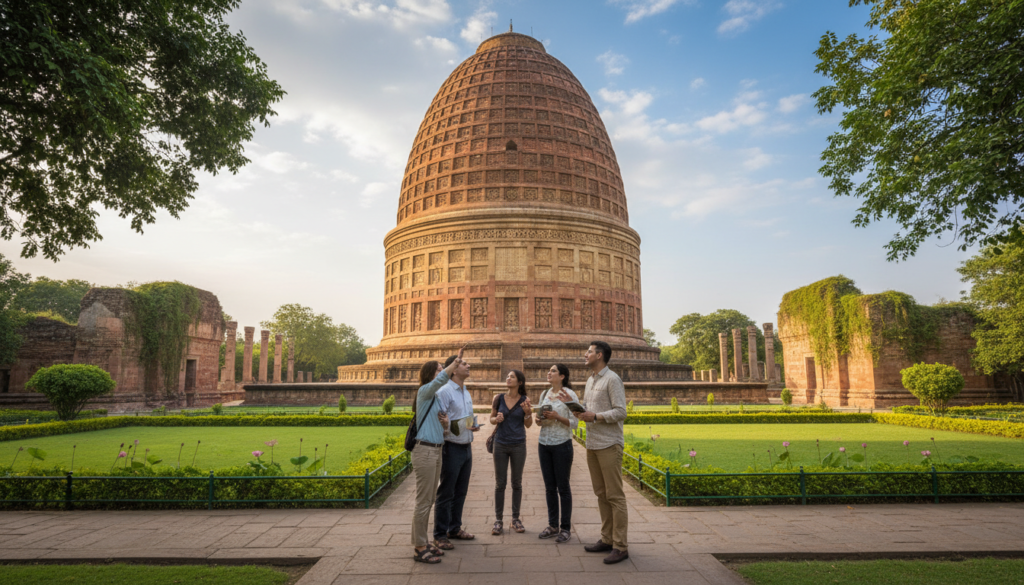
Sarnath marks a key moment in Buddhist history and still reads as a spiritual place for many visitors. The stone pillars, stupas, and monastic ruins are simple to understand, even for curious non-believers. This makes it meaningful for both pilgrims and curious tourists.
Pairing the museum with a relaxed loop
Start at the main monuments, then walk a gentle loop to the Sarnath Museum to see refined sculptures and explanatory displays. End with a shaded tea break near the lawns before you head back.
Best time and transit mindset
A morning visit avoids heat and the mid-day tour-bus rush. Allow flexible travel time so you are not racing back for evening duties. This small trip offers a fresh pace and a deep, calm experience that suits families and slow-paced visitors.
“Sarnath gives you space to breathe, read the stones, and leave the crowds behind.”
Food You Can’t Miss in the City (Beyond the Generic Street-Stall List)
A meal here is less about calories and more about continuity—flavors handed down across generations. The best stops are institutions tied to neighborhoods, routines, and the season.
Deena Chat Bhandar — bold chaat and cooling kulfi
Where to order: tamatar chaat, tikki chole, and kulfi falooda are signature picks. Walk in confidently during busy hours and ask for the house versions.
Blue Lassi in Kachori Gali — thick, seasonal lassis
The texture is famously dense. Flavors change with fruit season, so choose whatever looks freshest that time of year.
Chachi ki Dukaan near Assi Ghat — morning comfort
For an early bite grab kachori‑sabzi and a hot jalebi. It’s ideal before long walks or a sunrise plan by the river.
Ramchandra Chaurasia Tambul Bhandar — the real Banarasi paan
Paan here is part of the city’s edible identity. Try a classic paan to finish a heavy meal and feel the local rhythm.
Shree Ji — Malaiyo, a winter-only ritual
Malaiyo arrives in winter and vanishes with the heat. This cloud-light dessert uses saffron and pistachio—plan your visit by season if you want it.
“Treat food here as a cultural experience, not just a checklist.”
Practical tips: carry cash, expect lines, pace spicy items, and time food stops around temple visits to avoid discomfort.
Markets in Varanasi for Sarees, Souvenirs, and Local Crafts
Wandering the bazaars shows what people in the city wear, gift, and use each day. Markets are a practical part of any trip here: they teach you about textiles, ritual objects, and the small trades that keep neighborhoods moving.
Godowlia Market: budget buys and essentials
Godowlia Market is the main place for everyday goods. It’s busy and best tackled with a short list and patience.
Carry small change, move steadily through crowded lanes, and pick a clear meeting spot if you split up.
Rajan Silk Market: Banarasi sarees at near‑wholesale rates
Rajan Silk Market offers variety and prices that feel closer to wholesale than boutique. If you want a real sari selection, factor in a little time to compare weaves and ask about handloom details.
Vishwanath Lane: bangles, textiles, and bargaining
Vishwanath Lane is the place for bangles, dupattas, and lively haggling. Start with a polite offer and expect to meet halfway; smiling persistence usually works.
Thatheri Bazaar and Gol Ghar: ritual metalwork and affordable gifts
Thatheri Bazaar specializes in copper temple pieces and antique‑style artifacts. See these items as part of worship culture rather than mere trinkets.
Gol Ghar is handy for gifts and affordable footwear—useful before visiting temples where easy‑on shoes matter.
“Shop early to avoid peak crowds, keep bags zipped, and leave time to enjoy the hunt.”
Signature Experiences That Still Feel “Beyond the Ghats”
Certain hours on the river strip offer an intimacy you won’t find at noon. These moments — dawn calm at Assi Ghat, the dusk aarti, and a thoughtful boat ride — form three signature experiences many visitors keep returning to.
Sunrise calm at Assi Ghat and Subah-e-Banaras energy
Assi Ghat in the early morning hums softly with chants, yoga, and tea stalls waking up. Subah-e-Banaras brings warm light, smaller crowds, and a pace that feels personal rather than performance-driven.
Go early to watch locals begin the day and to take photos without huge groups. This experience is quieter and more reflective than mid-day visits.
Ganga Aarti at Dashashwamedh Ghat: timing and best viewing spots
The aarti begins around dusk; arrive 30–45 minutes early to claim steps seating. If you prefer space, choose an opposite river viewpoint or a bench farther back to avoid pushing crowds.
“Arrive early, move with respect, and let the ritual be an observing moment.”
Boat ride planning: shared rides, bargaining, and sunset routes
Ask the boat operator the route and duration before you board. Private boats can be ~₹1500 for a couple of hours; aarti boat seats often start near ₹500 and may drop to ~₹150 later. Quick local hops — like to a sandbank — can be as low as ₹20.
Decide private vs shared based on comfort. For sunset photos pick a route that faces west; the river’s colors shift fast, so time the return to catch fading light.
Safety & comfort: wear non-slip shoes, keep electronics secure, and avoid standing suddenly on small boats.
Festivals, Rituals, and the Real Rhythm of Varanasi Today
Everyday ceremonies along the water keep the city anchored in routines older than most buildings. These quiet acts and the big festival nights both shape how locals live and how visitors experience the scene.
Dev Deepavali: how a single festival remakes the night
Dev Deepavali lights the riverbanks like a curtain of stars. The evening energy is festive and crowded, and the riverfront becomes brighter and louder than usual.
Expect packed lanes, extra vendors, and extended aarti timings. Plan your time so you arrive early or pick a calmer viewpoint across the water.
Event energy versus everyday rituals
Festivals bring spectacle. Everyday rituals are intimate and frequent.
Do not treat private prayers or offerings as photo ops. Those daily practices sustain communities and deserve space and quiet.
How to be a respectful observer
Do not interrupt personal prayers, family ceremonies, offerings, or ritual preparations on the banks.
Camera etiquette: keep distance, avoid close-ups of grieving or private moments, and never use flash where it may shock participants.
“Adopt a soft presence: stand aside, listen, and let local rhythms pass without intrusion.”
For photos, favor wide scenes, boats, architecture, and light rather than turning people into subjects without consent. This keeps your visit meaningful and respectful for everyone.
Responsible Travel, Safety, and Comfort Tips for First-Timers
Plan your days with safety and courtesy at the center — it makes every visit calmer and more rewarding. This short section gives clear, practical steps for visiting temples and ghats, staying healthy, and moving around the city with confidence on a trip varanasi.
Temple and ghat dress codes: modest, breathable, and practical
Dress: choose breathable fabrics, cover shoulders and knees, and keep clothing simple. This helps at crowded temple entrances and on busy ghat steps.
Footwear: wear shoes that are easy to remove. Carry a small pouch for valuables during darshan to avoid juggling bags.
Why swimming in the River Ganges isn’t recommended
The river ganges has deep cultural meaning, but it can be polluted in places. Avoid swimming; limit any dip to a symbolic foot wash and dry off quickly to protect your health.
Solo travel basics: staying alert, avoiding isolated lanes late at night
On a trip varanasi as a solo visitor, stick to well-lit main lanes after dark and use trusted transport back to your stay. Tell someone your plan and keep a local contact handy.
Comfort checklist: sealed water, tissues/hand sanitizer, sun protection, and short rest breaks so you are not exhausted when crowds peak.
“Respectful presence matters: cremation areas and intense rituals require quiet observation.”
Make Your Trip to Varanasi One You’ll Want to Repeat
Return visits reward patience: the same streets look new at different hours. Pick the right season, sort transport, and choose a neighborhood base. Then layer in culture, food, and day trips to shape a relaxed plan.
Keep two anchors: an early morning at Assi Ghat and an evening by the river. These moments change with weather and crowd flow and make the city feel familiar and fresh each time.
Build a second-visit list now: museum time at BHU, a deeper market morning for textiles, and a slower boat route to view other ghats.
Practical tip: leave buffer time on your last day for shopping, a calm meal, and one quiet river moment so departure feels rooted and like coming home to a place you’ll want to visit again.