By
By Explore Kashmir on a Budget: Complete Travel Guide
This short, practical guide helps India-based readers plan great travel days without overspending. It explains realistic costs, common big-ticket items, and how small choices save cash while keeping the best scenery and culture.
Expect clear numbers: mid-range solo trips can run about ₹25,000–₹45,000 for five days, while package tiers commonly sit near ₹12,000–₹90,000 depending on season, stays, transport, and activities.
This guide will show when to visit, how to set a per-day cap, and where most costs land: flights, lodging, local transport, and paid experiences. You will get simple choices for any comfort level—solo, couples, friends, or families—and easy ways to adapt the plan.
What’s next: actionable itineraries for 7-, 5-, and 3-day schedules, plus real price ranges for hotels, shikara rides, gondolas, and meals so readers can build a confident plan.
Why Kashmir Is “Paradise on Earth” for Budget Travelers From India
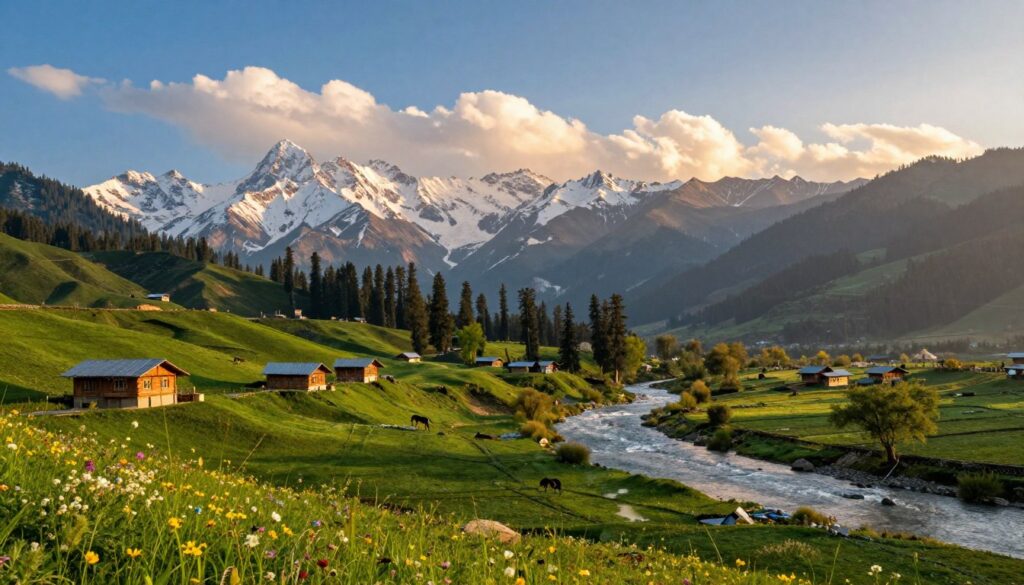
Budget-minded travelers find Kashmir rewards careful choices with big visual payoff and small bills. The region has lower-priced guesthouses, filling meals at local shops, and shared transport that cut major costs.
What makes this affordable compared with other hill destinations
Rooms, meals, entry fees, and day trips are the controllable parts of your total spend. Pick local stays and simple lunches and you keep expenses down. Compared with many hill stations, you often get more scenery per rupee.
How to get an authentic experience with fewer crowds
Mix one famous stop with one quiet meadow—for example, spend the morning at a popular garden, then head to a nearby meadow like Yusmarg or Dachigam for peace and lower costs. Visit popular spots early in the day and choose shoulder-season dates for fewer crowds and better deals.
Local markets, heritage lanes, and small eateries deliver the truest experience at low prices. This guide will next show timing and base choices from Srinagar that help make the most of every trip and travel rupee.
Best Time to Visit Kashmir for Lower Prices and Better Weather
Choosing when to visit makes the biggest difference to comfort, crowd levels, and wallet impact. Below is a simple seasonal snapshot so you can pick the best time visit based on weather tolerance, activity goals, and prices.
Spring (March–May)
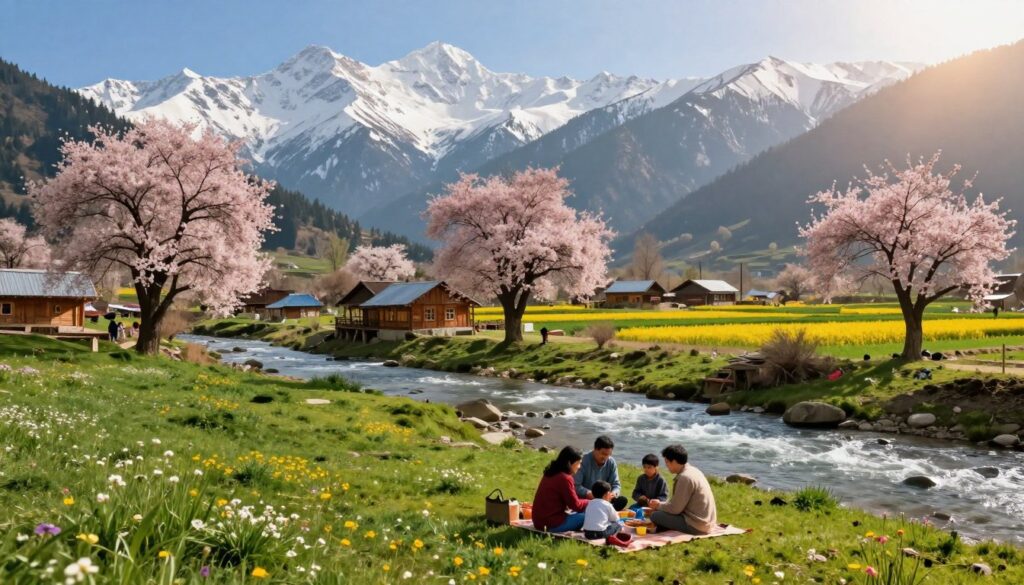
Value + gardens: Spring is a shoulder season with mild weather and blooming Mughal Gardens. Daytime walks are pleasant and many hotels offer shoulder-season deals.
Ideal for photographers and walkers who want lower prices than peak bloom dates.
Summer (June–August)
Peak trade-offs: This is the highest visitor volume. Prices climb and attractions get crowded.
Save money by booking early, choosing free viewpoints, and staying in local guesthouses outside main hubs.
Autumn (September–November)
Golden value: Autumn offers crisp weather, saffron fields near Pampore, and fewer tourists. Prices often drop compared with peak windows.
Best for couples and photographers seeking color without premium rates.
Winter (December–February)
Snow or savings: Snow draws skiers and boosts Gulmarg rates in peak winter weeks. But non-peak winter dates and Srinagar-focused plans can yield off-season steals.
Pick winter if you love snow; otherwise choose shoulder months for calmer prices.
How to Plan a Kashmir Trip on a Budget (Complete Guide)
Start with three clear choices for travel style and build a spending rule that keeps your days scenic and simple.
Choose a travel style
Budget: guesthouse nights, shared taxis, and one houseboat night. This choice lowers lodging costs and keeps meals cheap.
Standard: mid-range hotels, a private car for one day, and occasional paid activities. It balances comfort and savings.
Mixed: combine shared transport with one private-car day for flexibility. These options suit groups who want both value and ease.
Lock must-dos and build your itinerary
Prioritize Dal Lake, one mountain day at Gulmarg, one valley day in Pahalgam, and one hidden gem like Yusmarg. That mix keeps your trip kashmir rich in sights yet low in extras.
Set meal expectations: many travelers spend ₹200-₹400 for lunch, while packages often include breakfast and dinner. These details help prevent surprise costs.
Set a realistic per day cap and checklist
Decide a per day spending limit that covers meals, local transport, small entry fees, and minor tips. Increase that cap in peak time when flights and rooms rise.
Plan-first, book-second checklist: choose style, lock must-dos, set per day limits, then compare dates and book only the essentials. This guide helps keep choices clear and costs steady.
Realistic Kashmir Trip Cost Per Person in 2025 (Budget to Luxury)
Below are clear per-person ranges for 2025 that make budgeting fast and accurate.
Package price ranges (per person)
Budget: ₹12,000–₹18,000. Standard: ₹18,000–₹28,000. Luxury: ₹45,000–₹90,000.
Mid-range five-day solo estimate
Expect roughly ₹25,000–₹45,000 for a solo five-day trip. Solo travelers often pay more per head because cars and rooms are not shared.
What’s usually included vs extra costs
Common inclusions: hotels, sightseeing cab, breakfast and dinner, basic transfers. These cover most daily needs.
Common add-ons: lunch (₹200–₹400/meal), gondola tickets, pony rides, snow activities and optional union taxi surcharges. Flights and special activities often cost extra.
“Decide your comfort baseline first—clean room, hot water, safe location—and trim other costs around that.”
Quick levers: swap private car days for shared transport, travel September–November for better prices, and choose fewer paid activities to lower total cost.
Build Your Kashmir Budget: The Key Cost Components That Change Your Total
Break your total spend into five moving parts so you can tweak the big-ticket items and save where it matters.
Flights
Round-trip flights often run ₹5,000–₹15,000+. Prices swing with season and booking windows.
Book early for shoulder months or chase last-minute deals if your dates are flexible.
Accommodation
Budget hotels usually cost ₹800–₹2,000 per night. Mid-range rooms sit near ₹2,500–₹4,500.
Budget stays give basic comfort and heating. Mid-range adds location, views, and better service.
Local transport and car choices
Private car averages ₹2,500–₹4,000 per day. Shared taxis and buses cut that steeply.
Pay for a car when schedules are tight, you travel in winter, or you have family gear.
Food and daily meals
Plan ₹200–₹400 for lunch outside package plans. Many packages cover breakfast and dinner.
Activities and small leaks
Gondola costs (Phase 1 ~₹740, Phase 2 ~₹940). Pony rides ₹500–₹2,500. Snow rentals and lessons ₹500–₹3,000.
“Focus on two paid experiences and keep the rest free or low-cost.”
Where to Stay Cheap in Kashmir Without Sacrificing Comfort
A well-located, modest place can cut taxi bills and boost sightseeing time. This destination choice matters more than a fancy room. Pick stays that match how you plan to move each day.
Budget hotels vs guesthouses: what ₹1,500–₹3,000 per night buys
At ₹1,500–₹3,000 you usually get a clean room, basic hot water, and often breakfast. Expect simple service and small trade-offs on views or extras.
If you need more privacy or heating in shoulder months, pay a bit extra.
Houseboats on Dal Lake and Nigeen Lake: realistic pricing
Houseboats range ₹2,000–₹10,000+ depending on category and lake. Nigeen can be quieter; Dal Lake often lists higher rates for prime locations.
Tip: ask if the price includes meals and heating. That avoids paying luxury rates for basic rooms.
How to spot a good Srinagar base
Choose a place close to Dal Lake, the Mughal Gardens, or the Old City to cut transport costs. Morning access helps you beat crowds and saves cab fares.
Mini-checklist: read recent reviews, confirm heating, check water pressure, and see if the stay helps you reach sights early.
This advice helps travelers pick the right accommodation and enjoy a warm, budget-friendly experience without guesswork.
Getting Around Kashmir on a Budget: Local Transport That Works
Getting around Kashmir affordably means matching transport choices to each day’s plan and weather. Pick slower options when time allows and reserve paid rides for tight schedules.
State-run buses for cheap intercity travel
State-run buses are the cheapest way between towns. They save rupees but take longer. Confirm departure times at the local bus stand or your hotel the night before.
Shared taxis: a smart choice for solo travelers
Shared taxis split costs and work well for solo travelers who want flexibility without hiring a whole car. Expect quicker trips than buses and lower fares than private taxis.
Private cabs: negotiating per-day rates
Private cars usually run ₹2,500–₹4,000 per day. Use this polite script when you negotiate: “What is the per day rate? Does it include waiting, parking, and kilometers?” Clarify union rules for specific sites.
Union taxi charges in hill spots
Note: Gulmarg, Pahalgam, and Sonmarg often require union taxis for some points. That can add extra fees at pickup or parking. Budget a small buffer and ask your driver about any local surcharges up front.
Bike rentals and short Srinagar hops
For short hops inside Srinagar, bike rentals are a cheap, nimble way to move around. Ride only if you are confident and check weather and fuel availability first.
Quick tip: mix buses, shared taxis, and one paid car day for the best balance of cost and convenience.
Budget-Friendly Srinagar: Dal Lake, Old City, and Mughal Gardens
You can cover Dal Lake, gardens, and the Old City in a neat half-day or full-day loop that fits tight budgets. This place rewards simple choices: an early shikara ride, a garden walk at mellow light, and slow wandering through heritage lanes.
Shikara rides and fair pricing
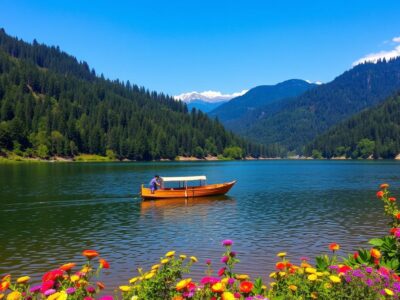
Typical shikara rides run about ₹800–₹1,500 per hour. Agree duration, route, and any included stops before you step on board. That avoids surprises and makes bargaining fair for both sides.
Tip: name the endpoints, confirm if the driver waits, and set the price. If you want a shorter float, ask for half-hour rates; they are often available.
Classic Mughal Gardens for low-cost beauty
Shalimar Bagh and Nishat Bagh offer big, low-cost beauty and quiet paths. Visit early morning or late afternoon for softer light and fewer crowds.
These mughal gardens are a great place for photos, picnic snacks, and calm views without entry costs that matter much to your daily spend.
Old City culture and slow walking
Map a half-day around Jamia Masjid and the heritage lanes. Dress respectfully and walk slowly. The lanes are rich with craft stalls and small tea shops that keep costs low.
Pick one small snack or chai stop. It adds local food and atmosphere without turning into a shopping splurge.
“Choose a few high-impact activities and keep the rest free — your days will feel full and your wallet will thank you.”
Srinagar also works well as a base for day trips, which reduces hotel moves and car costs. Stay in one place, do city sights early, then use remaining time for nearby valleys.
Affordable Day Trips: Gulmarg, Pahalgam, Sonamarg, and Beyond
Well-planned day outings from Srinagar let you hit Gulmarg, Pahalgam, or Sonamarg and still save on transport and nights.
Gulmarg on a budget
Gondola pricing: expect roughly ₹740 for Phase 1 and ₹940 for Phase 2. Book online for busy weekends and shoulder-season discounts.
Walks from the station offer free viewpoints and short hikes that deliver excellent scenery without extra tickets. Pick one paid ride and spend the rest walking.
Pahalgam: river vibes and light treks
Pahalgam is ideal for low-cost nature time. Stroll along the Lidder River, try a small meadow walk, and skip packaged stop bundles that add hidden fees.
Tip: pack water and snacks, which cuts food cost and keeps the day flexible.
Sonamarg: seasonal adventure options
Sonamarg shines in summer for rafting and pony treks. Add-on activities have clear prices; budget for them rather than expecting freebies.
Decide which adventure matters most and skip smaller paid stops that add up.
Decision rule: pick two big day trips for a five-day itinerary, or three for a week, and keep one flexible day for weather or extras.
Transport notes: shared taxis work well for early departures and lower cost. Pay for a private taxi when schedules are tight or you have luggage. Remember union taxis at hill points can add to the final cost—ask drivers up front.
Hidden Gems With Fewer Crowds (and Often Lower Costs)
D. Hidden corners of the region often deliver big beauty with fewer tourists and smaller bills.
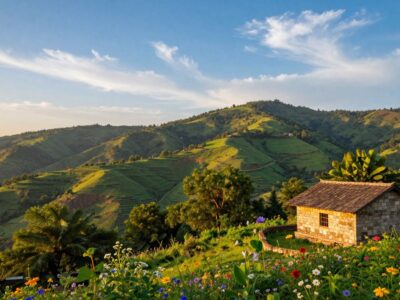
Yusmarg: a peaceful retreat for picnics and meadow walks
Yusmarg is a grassy place for long, slow walks and simple picnics. You pay little or nothing for entry and can spend the day without extra fees.
Tip: start early, carry snacks, and pick a shaded spot for peace and photos.
Dachigam National Park: nature walks and wildlife spotting
Dachigam offers birding, short treks, and quiet trails. This is an ideal destination if you want nature-focused experiences rather than packaged tours.
Bring binoculars, wear sturdy shoes, and plan morning hours for the best sightings and cooler time on the trail.
Wular Lake and Betaab Valley for budget sightseeing days
Wular Lake gives big views and easy photo stops without high prices. Betaab Valley adds classic scenery and short walks that feel full but cost little.
Both spots work well as calm day outings that keep your daily spending low.
“Add at least one hidden gem to balance busy sights—your trip will feel calmer and cost less.”
Why choose these hidden gems? Fewer crowds mean less pressure to buy add-ons, fewer tourist menus, and simpler transport. That lowers overall costs while giving richer, slower travel experiences.
Practical tips: leave early, pack water and snacks, and carry a light layer. One quiet day here balances busy itineraries and delivers genuine peace.
Cheap Eats in Kashmir: Local Food That Fits Your Budget
Simple street bites and one planned restaurant night let you taste the best without overspending.
Must-try dishes
Rogan Josh, Yakhni, Gushtaba, and Dum Aloo are signature plates that show the region’s spice and slow-cook tradition. Share portions when possible; that keeps costs down and lets travelers sample more.
Street food near Dal Gate
Markets around Dal Gate offer quick snacks and hearty plates for roughly ₹200–₹400 at lunch. Try local breads, kebabs, and warm kahwa at small stalls for real value and flavor.
Where to splurge once
Reserve one evening at Ahdoos in Srinagar for an iconic meal. This planned splurge gives a classic dining experience without uncontrolled hopping between restaurants.
Simple tips: ask prices before ordering, carry cash, share dishes, and pack snacks for long day trips. Set a modest daily food cap that still lets you enjoy local options and the full culinary experience.
“Taste widely, spend wisely—one special meal, many small market finds.”
Free and Low-Cost Experiences That Make Kashmir Feel Special
Some of the best travel memories cost nothing: sunrise silhouettes, shaded lanes, and slow market strolls. Focus on moments of light, easy walks, and simple stops to capture real beauty without raising your cost.
Sunrise and sunset spots around Srinagar
Wake early for Dal Lake or the Mughal Gardens at first light. Bring a warm layer, a small torch, and a return plan—shared transport or a pre-arranged hotel pickup makes safe returns easy.
Sunset at Dalgate or a nearby viewpoint is equally free and dramatic. These short moments give big scenic payoff with zero entry fees.
Handicraft browsing without overspending
Browse markets like Lal Chowk and Polo View with curiosity, not a shopping list. Ask questions, take photos when allowed, and sample local chat with stall owners—this is part of the experience.
Set a fixed souvenir cap and try the 24-hour rule before buying higher-ticket items. That simple guardrail prevents impulse purchases and keeps your trip on budget.
Low-fee temples and viewpoints
Many gardens, shrines, and hill viewpoints charge small fees (roughly ₹20–₹100). These quick stops add depth and culture for little cost.
Tip: pick one paid site per day and fill the rest with free anchors. That mix saves rupees and preserves peace of mind while you travel.
“Choose light-filled moments and slow walking—those create lasting memories without high costs.”
A Practical Budget Itinerary for a Week in Kashmir
Begin with calm, low-cost mornings by Dal Lake and build a flexible week that keeps hotel moves minimal. Use Srinagar as your base and plan most departures as day trips. This keeps fares down and sight time high.
Srinagar base days: Dal Lake, markets, and gardens
Day 1: arrival, short shikara float, and an evening market walk. Keep meals local and light.
Day 7: finish with Mughal Gardens and Jamia Masjid for calm culture before departure.
Gulmarg day: gondola vs hiking alternatives
Choose the gondola for faster views and a paid experience, or skip it and hike gentle trails for free. Both options deliver strong scenery; pick by season and wallet.
Pahalgam day: river walks and light trekking
Spend a day by the Lidder River. Walk meadow paths and skip guided bundles to save cash while enjoying classic valley scenes.
Yusmarg day: slow travel for peace of mind
Choose a quiet meadow day for peace mind. Pack snacks and linger—this rest keeps the week pleasant and low-stress.
Flex day: weather backup and shopping buffer
Hold one day as a buffer for road closures, bad weather, or extra shopping. This simple rule keeps your trip realistic and relaxed.
“Keep one flexible day and your week will recover from delays without panic.”
Shorter Kashmir Itineraries for Tight Budgets and Limited Time
A compact schedule that focuses on key sights delivers big views without wasting hours on the road. Below are two efficient routes that protect the essentials while keeping costs and travel days low.
Value-packed 5-day route (Srinagar + Gulmarg + Pahalgam)
Day 1: arrive Srinagar, short shikara in the evening and light market walk.
Day 2: early Mughal Gardens, then relax; use afternoon for Old City lanes.
Day 3: full day Gulmarg — choose one paid highlight (gondola Phase 1) and spend rest walking.
Day 4: Pahalgam day — riverside strolls and meadow time; skip bundled extras.
Day 5: buffer, last-minute shopping, depart. This itinerary keeps transit compact and gives two big day outings with minimal hotel moves.
Three-day Srinagar-first plan that still feels complete
Day 1: arrive, shikara at Dal Lake at sunset and a short walk by the houseboats.
Day 2: Mughal Gardens early; afternoon in the Old City and local markets.
Day 3: choose one nearby half-day gem (Yusmarg or Dachigam) or extend the shikara for a longer float before leaving.
Timing notes: pick shoulder months for fewer closures and steadier local transport. For very short stays, avoid peak monsoon or heavy snow weeks to cut weather risk.
Packing and pacing: bring warm layers, a small daypack, water, and closed shoes. Start early on day one so travel time does not eat into sightseeing.
“Pick one paid highlight per trip and keep the rest low-cost — your days will feel full without blowing the budget.”
Safety, Solo Travel, and Peace of Mind While Traveling in Kashmir
A few simple habits will keep your days scenic and give you genuine peace of mind. This short section offers practical, calm steps that help travelers plan with confidence without alarmism.
What’s generally safest for solo visitors in Srinagar, Gulmarg, and Pahalgam
Stick to well-reviewed neighborhoods and daytime sightseeing. Established tourist areas are generally safe with sensible precautions.
Use reputable drivers, book shared taxi stands for cheaper rides, and keep emergency contacts handy.
Solo female traveler tips: local etiquette, transport choices, and lodging
Dress modestly in public places and choose lodgings with helpful staff and good reviews. Ask hotels about trusted pickup services at night.
Confirm fares up front and prefer official taxis; avoid isolated pickups after dark.
Health basics: hydration, simple first-aid kit, and travel insurance
Carry water, basic medicines, and a small first-aid kit. These items protect health and the travel budget.
Pro tip: share your itinerary with family and leave one buffer day for weather or road delays. Small planning details reduce stress and keep your trip steady.
“Practical precautions let you enjoy the place without unnecessary worry.”
Smart Booking Tips to Keep Prices Low (Flights, Stays, and Activities)
A small shift in dates or where you sleep can reduce costs by up to 40%. Use simple booking moves before you leave and you will save on flights, rooms, and popular experiences.
When to book and use flexible dates
Flexible date ranges unlock 20–40% savings. Look at week-long calendars and pick midweek departures for lower flights fares. Hold refundable fares when prices dip, then lock a lower rate if it appears.
Choosing the best season for value
Peak price spikes hit Dec–Jan and Apr–May. Cheaper months often include Sep–Nov and Jul–Aug, but you trade some activity availability or heavier rain. Match your priorities with the season and pick the best time visit for your needs.
Book popular activities and pick hotels with care
Reserve the Gulmarg gondola online to avoid sold-out slots and wasted travel time. For hotels, choose locations that cut taxi needs, check heating and breakfast inclusions, and read recent reviews for seasonal accuracy.
“Lock one big booking early and keep the rest flexible—this is the easiest way to save.”
Make Kashmir Happen on Any Budget—Start Planning Your Trip Today
, Control four big levers—season, flights, accommodation, and transport—and you can shape a great trip without breaking the bank.
Quick method: pick the best season for your priorities, set a per-day limit, lock smart flights, and use Srinagar as a simple base. This saves time and cuts extra prices for transfers and hotels.
Mix free beauty moments with one or two paid activities. That balance gives real experiences—Dal Lake, Mughal Gardens, hill day trips—while keeping overall cost low.
Start-planning checklist: choose dates, book flights, shortlist accommodation, and pre-arrange transport for key day trips. Match options—shared buses and taxis for savings or a private car when time is tight.
Ready for the region? Build your itinerary now, double-check weather and prices, and travel with confidence and peace.