By
By Explore the Best Tourist Spots in Jammu and Kashmir
Jammu and Kashmir, often referred to as “Paradise on Earth,” is a treasure trove of breathtaking views and natural beauty. With its snow-capped mountains, pristine lakes, and lush green gardens, it is a haven for travelers seeking an unforgettable experience. Whether you’re a nature lover, an adventure enthusiast, or a honeymooner, Kashmir Tourism has something to offer.
The region’s diverse places to visit cater to all types of travelers, making it an ideal destination for family vacations as well. From the majestic Himalayan ranges to the serene valleys and flowing rivers, Jammu and Kashmir’s unique geographical features are sure to mesmerize. With its rich cultural heritage and historical significance, this region is a must-visit for anyone looking to explore India’s hidden gems.
Key Takeaways
- Discover the unparalleled natural beauty of Jammu and Kashmir.
- Explore diverse tourist destinations catering to all types of travelers.
- Understand the unique geographical features of the region.
- Get an overview of the cultural richness and historical significance.
- Prepare for an unforgettable journey through one of India’s most breathtaking states.
The Enchanting Beauty of Jammu and Kashmir
Jammu and Kashmir, a land of breathtaking natural beauty, has been a magnet for travelers seeking an unforgettable experience. The natural splendor of Jammu and Kashmir is a treasure trove of diverse landscapes and cultures, making it a paradise on earth.
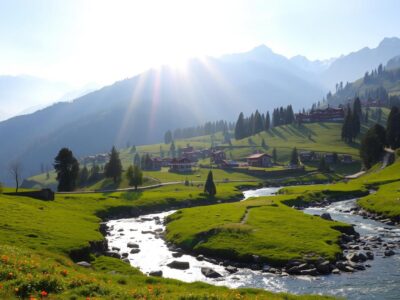
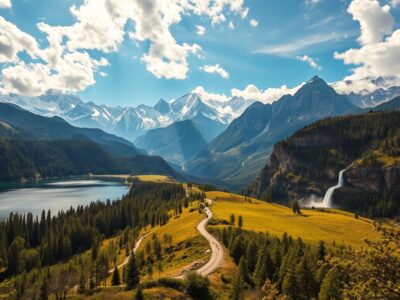
The region’s geographical diversity is a major draw, with the lush valleys of Kashmir, the mountainous terrains of Ladakh, and the subtropical regions of Jammu offering a unique blend of ecosystems. The Kashmir Valley, often referred to as the “Paradise on Earth,” is renowned for its alpine meadows, crystal-clear lakes, and majestic Pir Panjal mountain ranges.

The distinct seasons in Jammu and Kashmir transform the landscape, from snow-covered winters to flower-filled springs and golden autumns. This seasonal variation makes the region a year-round destination, with each season offering a unique experience.
- Explore the geographical diversity of Jammu and Kashmir, from the lush valleys to the mountainous terrains.
- Understand why the region is called “Paradise on Earth” through descriptions of its natural beauty.
- Learn about the distinct seasons and how they transform the landscape.
- Discover the rich cultural tapestry that makes Jammu and Kashmir unique.
The region’s cultural diversity is a blend of Hindu, Muslim, and Buddhist influences, making it a fascinating destination for cultural enthusiasts. The three main regions – Jammu, Kashmir Valley, and Ladakh – each have distinctive characteristics that contribute to the state’s overall charm.
Jammu and Kashmir is also a photographer’s paradise, with its meadows, glaciers, and pristine forests offering endless opportunities for capturing stunning images. Whether you’re interested in exploring the local culture, trekking through the mountains, or simply enjoying the natural beauty, Jammu and Kashmir has something for everyone.
Srinagar – The Summer Capital
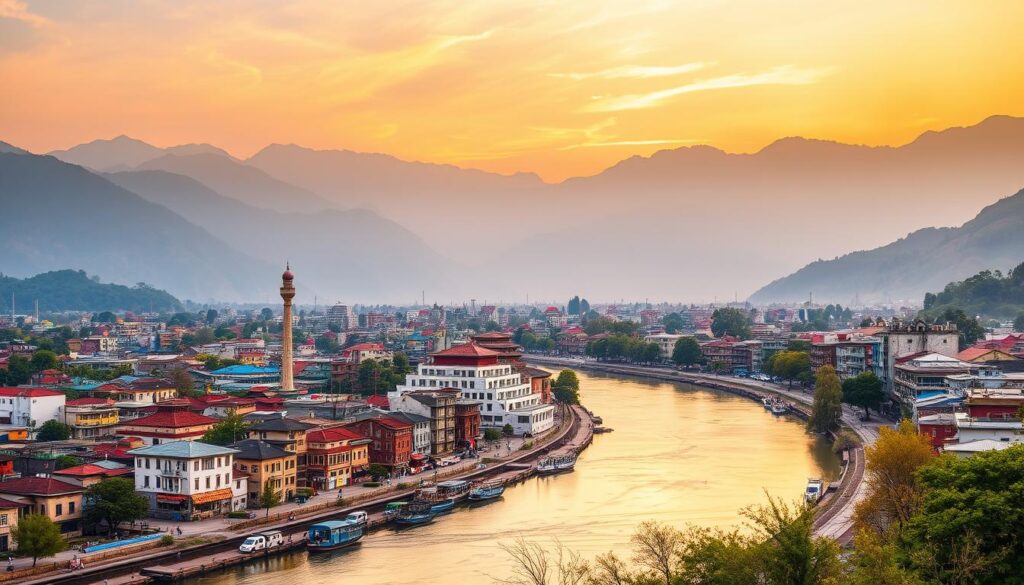
Nestled in the heart of the Himalayas, Srinagar is a treasure trove of breathtaking landscapes and cultural heritage. The city is situated on the banks of the Jhelum River, which adds to its natural beauty. Srinagar is known for its historic significance as a prosperous trading hub, with its name originating from the Sanskrit words ‘Sri’ meaning ‘wealth’ and ‘Nagar’ meaning ‘city’.
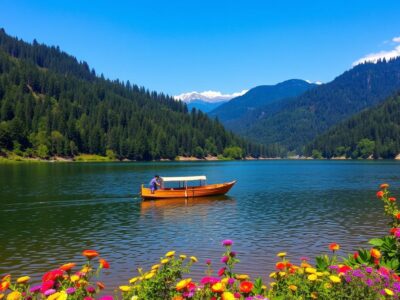
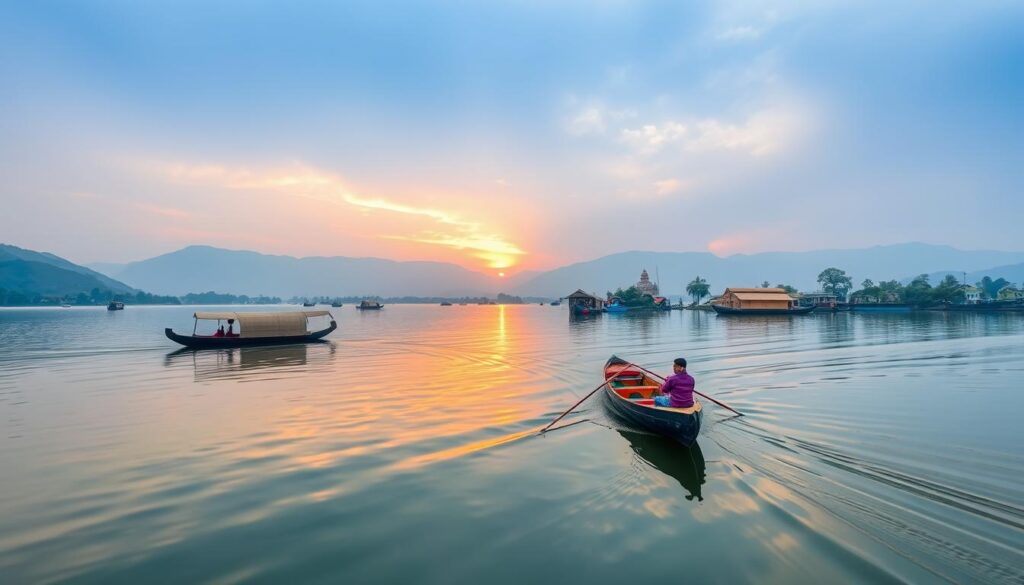
One of the most iconic attractions in Srinagar is the Dal Lake, famous for its floating gardens, vibrant Shikara rides, and unique houseboats that offer an unforgettable stay experience. Visitors can enjoy a serene evening on the lake, capturing the heart-warming hues of sunset against the mountainous backdrop. The floating markets on Dal Lake make the shopping experience interesting and exciting!
Srinagar is also home to the magnificent Mughal Gardens, including Shalimar Bagh and Nishat Bagh, which showcase the perfect blend of Persian and Indian landscaping styles. These gardens are a testament to the region’s rich cultural heritage and are a must-visit during spring when they are in full bloom.
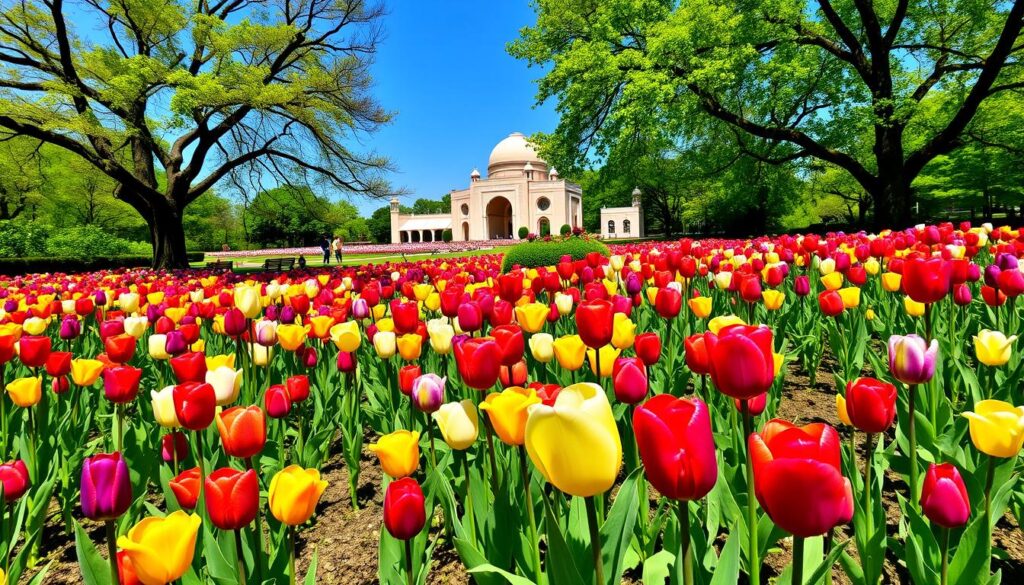
The Indira Gandhi Memorial Tulip Garden, also known as the Tulip Garden, is another major attraction in Srinagar. It is the world’s largest tulip garden, boasting over 1.5 million tulips of 68 different varieties during spring. This garden is a visual treat and a photographer’s paradise.
For those interested in history and spirituality, the Shankaracharya Temple is a significant landmark. Perched atop a hill, the temple offers panoramic views of the city and is believed to be one of the oldest shrines in Kashmir.
Srinagar’s vibrant markets, including the floating vegetable market on Dal Lake and Lal Chowk, offer a wide range of authentic Kashmiri handicrafts, pashmina shawls, and saffron. Visitors can experience the local culture and cuisine, making their trip to Srinagar even more memorable.
The best time to visit Srinagar is from April to October when the weather is pleasant, and the gardens are in full bloom. For travelers planning to visit Srinagar, the nearest airport is the Srinagar International Airport, which connects to major cities in India.
Gulmarg – The Meadow of Flowers
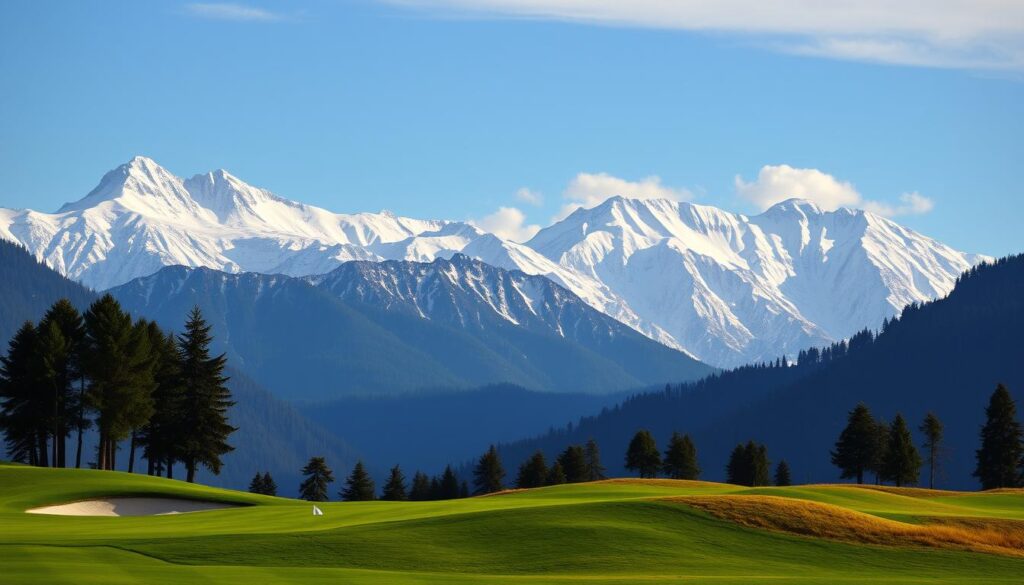
Gulmarg, known as the ‘Meadow of Flowers,’ is a breathtaking destination that offers a mix of adventure and serenity. Located at 2,730 meters above sea level in the Pir Panjal range of the western Himalayas, Gulmarg is a cup-shaped valley that boasts stunning natural beauty.
The word Gulmarg is derived from two Persian words: ‘Gul’ meaning flowers and ‘Marg’ meaning meadow. True to its name, Gulmarg is adorned with a variety of wild mountain flowers, making it a treat for the senses. The valley is surrounded by snow-capped mountains, gardens blossoming with flowers of varied hues, and pine vegetation, creating a picturesque landscape.
One of the main attractions in Gulmarg is the Gulmarg Gondola, Asia’s highest and longest cable car ride that takes you to the Apharwat Peak at 4,390 meters, offering breathtaking panoramic views. This gondola ride is synonymous with Gulmarg and provides an unforgettable experience.
Gulmarg is also home to the Gulmarg Golf Course, one of the highest green golf courses in the world, situated at 2,650 meters. The golf course offers a unique golfing experience amidst stunning mountain scenery, making it a must-visit for golf enthusiasts.
For adventure seekers, Gulmarg offers a range of activities, including skiing and other snow activities during the winter months. It is one of Asia’s premier skiing destinations, with slopes catering to both beginners and professional skiers.
Visitors can also explore the picturesque St. Mary’s Church, built in 1902 during the British era, which stands as a beautiful example of Victorian architecture. The church adds a touch of history and culture to the valley.
The best time to visit Gulmarg depends on your preferences. For snow activities, winter (December to March) is ideal, while summer (May to September) is perfect for enjoying lush green meadows filled with wildflowers.
Gulmarg’s perfect blend of natural beauty and adventure activities makes it a popular destination for honeymooners, adventure enthusiasts, and families alike. Whether you’re looking for relaxation or adventure, Gulmarg has something to offer to every kind of tourist.
Pahalgam – Valley of Shepherds
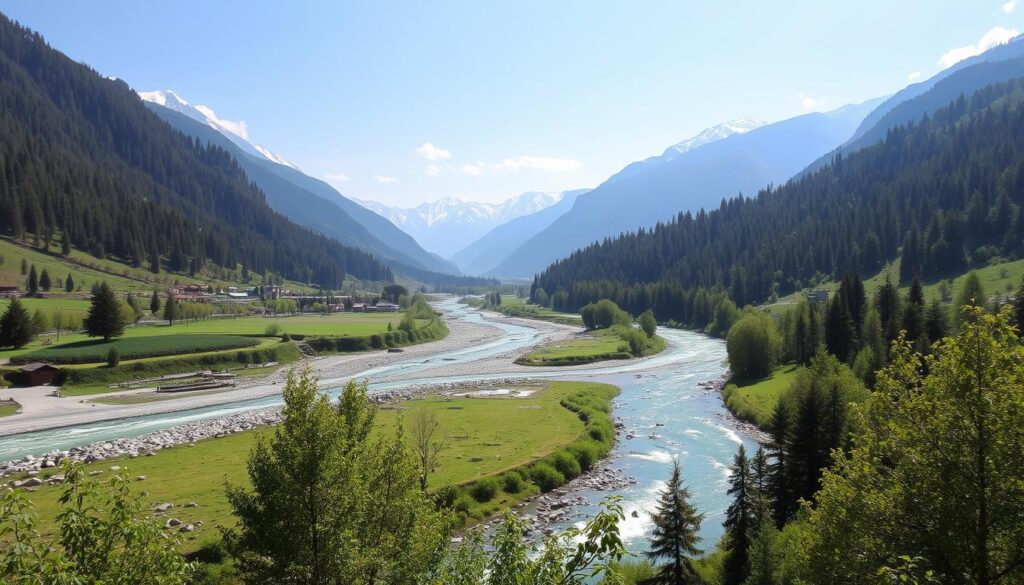
The breathtaking beauty of Pahalgam, with its lush green landscapes and majestic Himalayan peaks, makes it a must-visit destination in Jammu and Kashmir. Located in the Anantnag district on the banks of the gushing Lidder River, Pahalgam is known as the ‘Valley of Shepherds.’
Pahalgam is a treasure trove of natural beauty, with sparkling rivers, soaring pines, apple orchards, and verdant forests. The Lidder River, which flows through Pahalgam, offers exciting opportunities for river rafting and trout fishing, making it a paradise for adventure enthusiasts.
One of the must-visit places in Pahalgam is Betaab Valley, located 15 km away. Earlier known as Hagan Valley, it was renamed after the hit Bollywood movie Betaab, which was shot here. Betaab Valley lures travelers with its gorgeous green meadows, dense vegetation, winding streams, lofty mountains, and picturesque vistas.
Another charming destination near Pahalgam is Aru Valley, a satellite town located 12 km away. Known for its scenic meadows, Aru Valley is a starting point for various treks and offers a serene environment for nature lovers.
For those interested in spiritual journeys, Chandanwari, located 16 km from Pahalgam, is the starting point of the sacred Amarnath Yatra. This significant pilgrimage site attracts devotees from across the country.
Baisaran, often referred to as “Mini Switzerland,” is another attraction in Pahalgam. This lush green meadow, surrounded by pine forests, offers panoramic views of snow-capped mountains, making it a perfect spot for photography and relaxation.
Pahalgam is a year-round destination, with each season offering a unique charm. From snow-covered landscapes in winter to vibrant greenery in summer, the valley has something to offer for every kind of traveler. Visitors can indulge in various activities such as horse riding along the Lidder River, exploring the local markets, and experiencing the rich culture of Jammu and Kashmir.
In conclusion, Pahalgam, with its enchanting landscapes and plethora of activities, is a must-visit destination for anyone traveling to Jammu and Kashmir. Whether you’re an adventure enthusiast, a nature lover, or a spiritual seeker, Pahalgam has something for everyone.
Sonamarg – Meadow of Gold
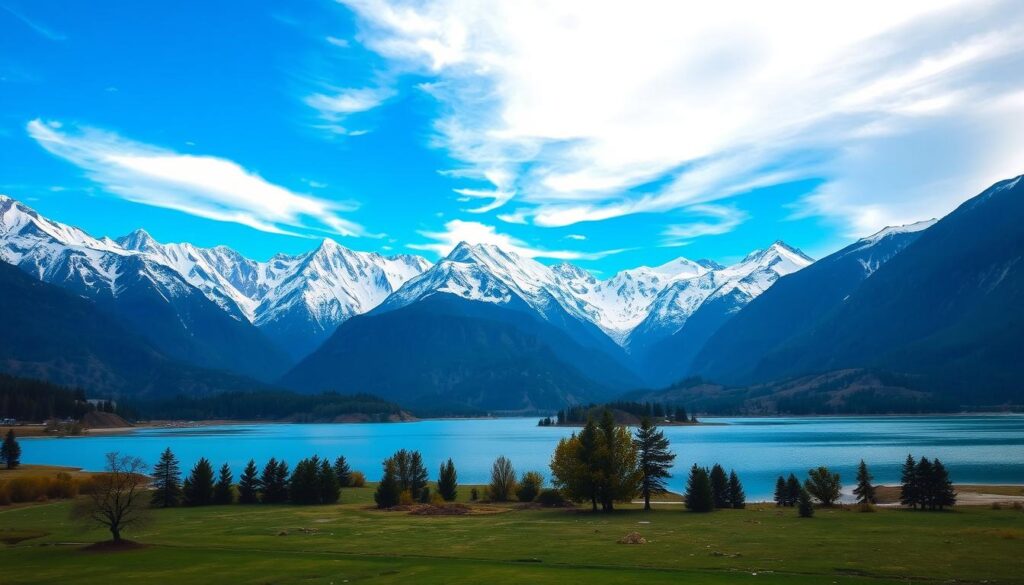
Sonamarg, meaning ‘Meadow of Gold’, is a gem in Jammu and Kashmir, boasting breathtaking scenery and exciting experiences. Situated at an altitude of 2,730 meters above sea level along the banks of the Sindh River, this hill station is a treasure trove of natural beauty.
The Thajiwas Glacier, located just 3 km from Sonamarg, is a must-visit attraction. It offers breathtaking views of snow-capped mountains and opportunities for sledging and pony rides. The glacier is surrounded by meadows, frozen lakes, and conifer trees, making it a perfect spot for nature lovers.
Sonamarg is also known as the “Gateway to Ladakh” due to its historical significance as part of the ancient Silk Route connecting Kashmir to Tibet. Visitors can explore the stunning Zoji La Pass at 11,575 feet, which connects Kashmir Valley to Ladakh and offers spectacular views of the surrounding Himalayan peaks.
The area around Sonamarg is dotted with beautiful alpine lakes, including Krishnasar Lake, Vishansar Lake, and Gangabal Lake. These lakes are known for their crystal-clear waters and surrounding meadows, making them ideal for trekking and camping.
Baltal Valley serves as a base camp for the Amarnath Yatra and offers camping opportunities with views of the Zoji La Pass. It’s a great spot for adventure enthusiasts who enjoy camping and trekking.
The best time to visit Sonamarg is during the summer months (April to June) when the landscape is lush and green, or during the winter months (October to March) for snow activities and pristine snow-covered landscapes.
Whether you’re looking for adventure or just want to soak in the natural beauty, Sonamarg has something for everyone. It’s a perfect destination for those who want to experience the best of Jammu and Kashmir.
Gurez Valley – An Offbeat Paradise
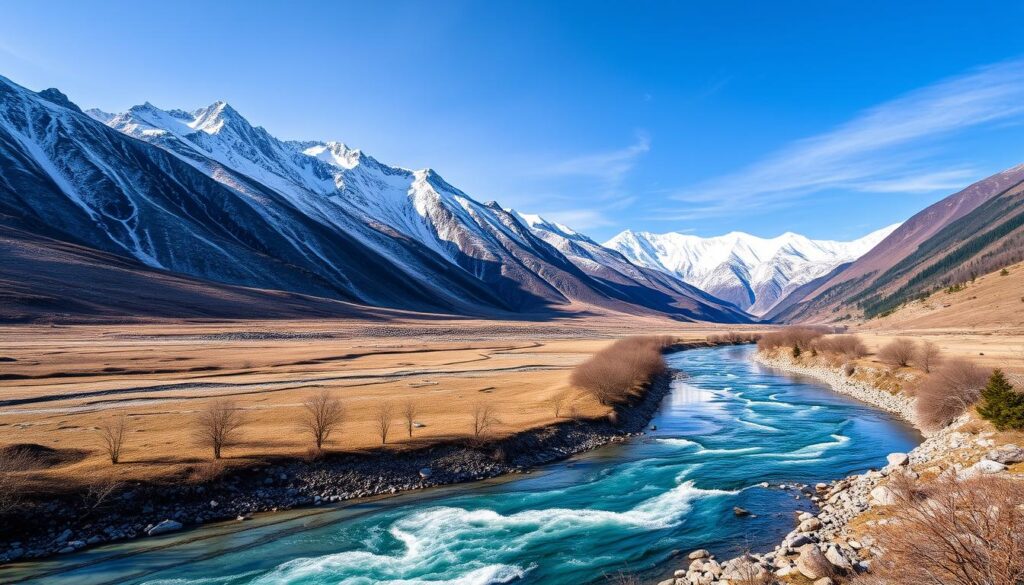
Tucked away in the snow-capped mountains, Gurez Valley is an offbeat destination that promises an unforgettable experience. Located at an altitude of 2,400 meters, this valley is a treasure trove of natural wonders, boasting breathtaking landscapes and a serene atmosphere.
Gurez Valley is a perfect place to rejuvenate your body and mind. The valley’s charm is different from the rest of Jammu and Kashmir, with its unique cultural heritage and diverse flora and fauna. The Kishanganga River, which flows through the valley, is a picturesque and fierce river that offers opportunities for rafting, camping, and fishing.
One of the main attractions in Gurez Valley is the majestic Habba Khatoon Peak, a pyramid-shaped mountain named after the famous Kashmiri poetess. The peak offers spectacular sunrise and sunset views, making it a must-visit destination for nature lovers.
The valley is also home to the Dard-Shin tribe, who have preserved their distinct language, traditions, and lifestyle for centuries. Visitors can experience the unique cultural heritage of the tribe by interacting with the locals and learning about their customs.
Gurez Valley has historical significance as well, having been part of the ancient Silk Route that connected the Indian subcontinent with Central Asia. The valley’s strategic location made it an important stopover for traders and travelers.
The best time to visit Gurez Valley is from May to October, when the valley blooms with wildflowers and offers perfect weather for trekking and outdoor activities. However, it’s essential to note that the valley remains cut off from the rest of the world during the winter months (November to April) due to heavy snowfall.
To reach Gurez Valley, one can take a scenic drive from Bandipora, which is the nearest town with a motorable road. The drive offers breathtaking views of the surrounding mountains and valleys, making it a memorable experience.
In conclusion, Gurez Valley is a hidden gem in Jammu and Kashmir that offers a unique blend of natural beauty, cultural heritage, and adventure activities. With its pristine landscapes, diverse flora and fauna, and rich history, Gurez Valley is a must-visit destination for travelers looking for an offbeat experience.
Leh-Ladakh – The Land of High Passes
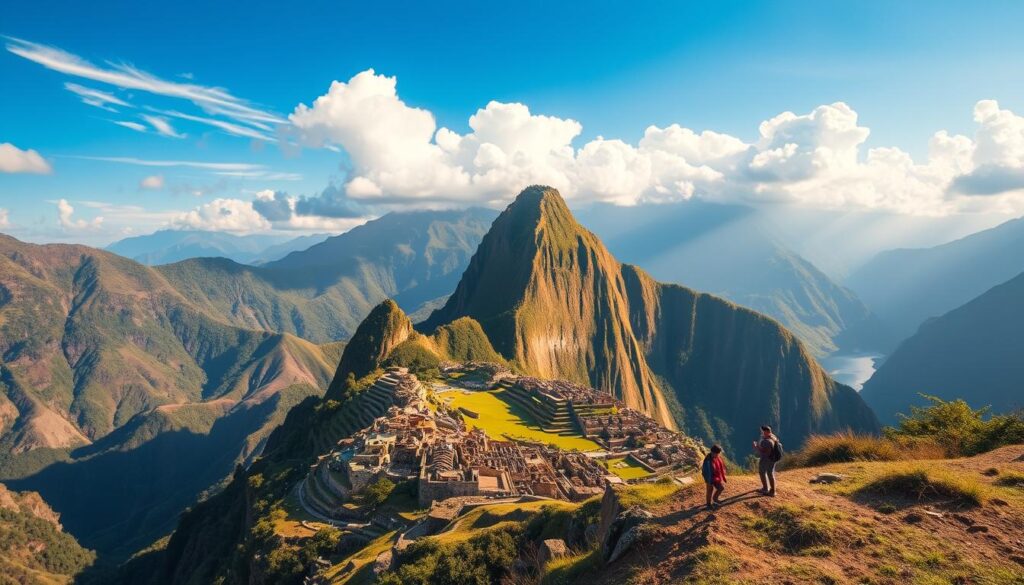
Nestled in the heart of the Himalayas, Leh-Ladakh is a treasure trove of breathtaking landscapes and rich cultural heritage. Ladakh, known as the “Land of High Passes,” is a paradise for adventure seekers and nature lovers alike. Situated at an elevation of 2750 to 7672 meters above sea level, Leh-Ladakh is a region of stark beauty and diverse landscapes.
The region is home to several breathtaking destinations, including the famous Pangong Lake, with its ever-changing shades of blue, located at the Indo-China border. Visitors can also explore the picturesque Nubra Valley, known for its white sand dunes, double-humped Bactrian camels, and the confluence of Shyok and Siachen rivers.
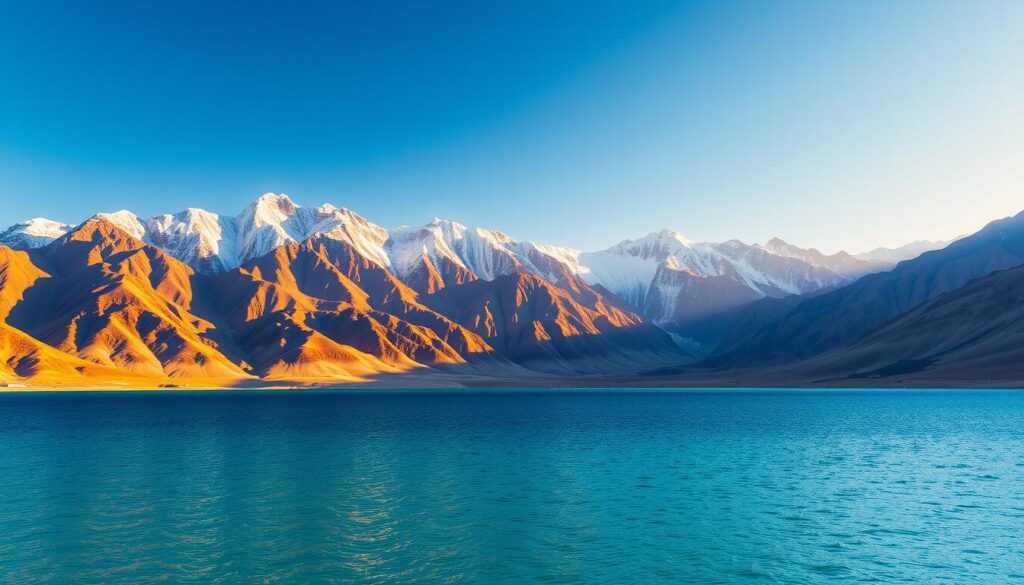
For adventure enthusiasts, Leh-Ladakh offers a range of activities, including trekking, biking, and water rafting. One of the most thrilling experiences is driving through Khardung La, once considered the world’s highest motorable pass at 18,380 feet above sea level.
The region is also home to several mysterious and historic sites, including the Magnetic Hill, where vehicles appear to defy gravity by moving uphill when placed in neutral gear. Visitors can also explore the historic Leh Palace, a former royal residence built in the 17th century, offering panoramic views of the town and surrounding mountains.
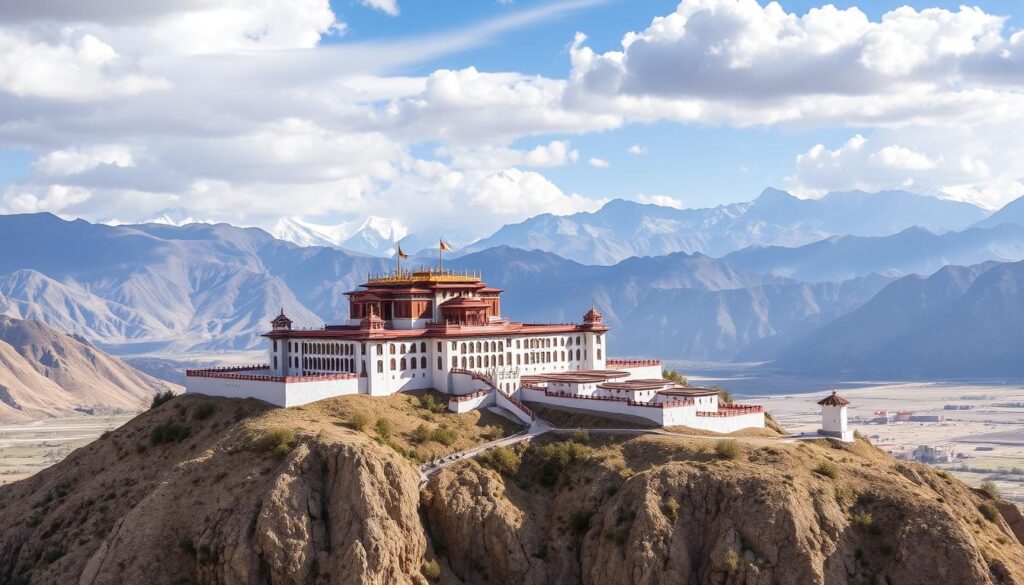
Nature lovers will appreciate the opportunity to visit Hemis National Park, the largest national park in South Asia and home to the endangered snow leopard, Tibetan wolf, and numerous other high-altitude wildlife species.
The best time to visit Leh-Ladakh is from May to September, when the mountain passes are open and the weather is relatively mild. During this time, visitors can enjoy a range of activities and experience the region’s unique culture and landscapes.
In conclusion, Leh-Ladakh is a destination that offers something for everyone – adventure, nature, culture, and history. Whether you’re looking to trek, bike, or simply take in the breathtaking views, Leh-Ladakh is a must-visit destination in Jammu and Kashmir.
Jammu – The City of Temples
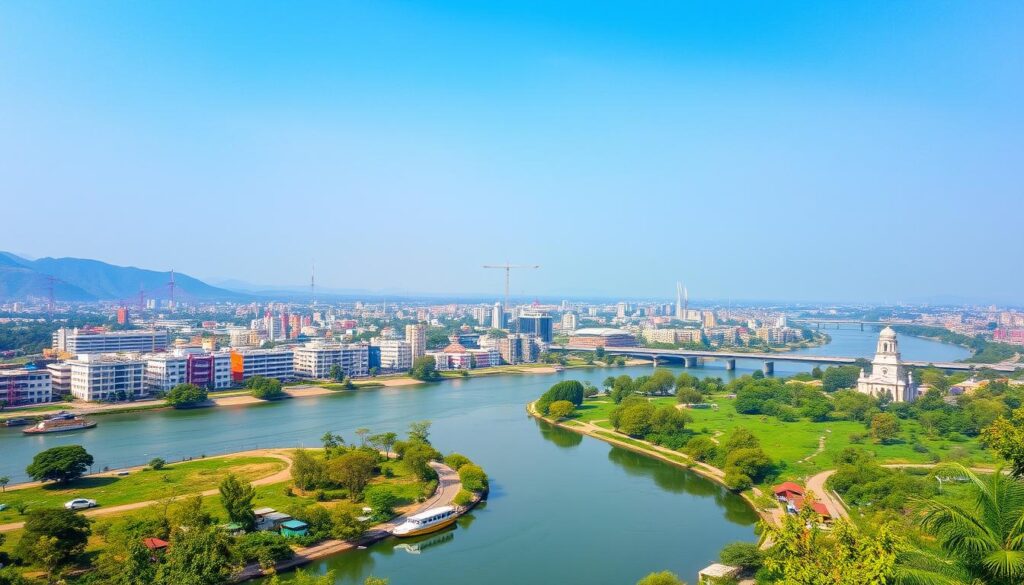
Nestled on the banks of the River Tawi, Jammu is a city that seamlessly blends spirituality with natural beauty. Known as the “City of Temples,” Jammu is a significant pilgrimage center and a treasure trove of historical and cultural heritage.
Jammu’s landscape is dotted with numerous temples, each with its unique history and architectural style. The city’s spiritual aura is perhaps best exemplified by the revered Vaishno Devi Temple, one of India’s most famous pilgrimage sites. Millions of devotees trek the 13 km path to the holy shrine annually, seeking blessings and spiritual fulfillment.
Another historical landmark is the Bahu Fort, built over 3,000 years ago. This ancient fort houses a temple dedicated to Goddess Kali and offers panoramic views of the city and the Tawi River. The adjacent Bagh-e-Bahu, a beautifully maintained terraced garden, is a perfect spot to relax and enjoy the scenic beauty.
The Raghunath Temple, dedicated to Lord Rama, is another must-visit site in Jammu. This temple is renowned for its rich collection of Sanskrit manuscripts and ancient texts, making it a significant cultural and religious hub.
For those interested in history and royalty, the Amar Mahal Palace is a must-visit. This former royal residence has been converted into a museum, showcasing royal artifacts, paintings, and the famous golden throne. It provides a glimpse into the region’s rich royal heritage and the Dogra dynasty that once ruled here.
Jammu’s significance extends beyond its temples and historical sites. The city serves as the winter capital of Jammu and Kashmir and is a gateway to the Kashmir Valley and Ladakh regions. Its blend of Hindu, Muslim, and Sikh influences makes Jammu a culturally rich and diverse city.
Visitors to Jammu can experience the city’s vibrant culture by exploring its various places to visit, from ancient temples and forts to museums and gardens. Whether you’re a pilgrim, a history buff, or a nature lover, Jammu has something to offer everyone.
In conclusion, Jammu, or the “City of Temples,” is a city that embodies the spiritual, cultural, and historical essence of Jammu and Kashmir. Its numerous temples, historical landmarks, and cultural heritage sites make it a must-visit destination for anyone traveling to the region.
Yusmarg – The Meadow of Jesus
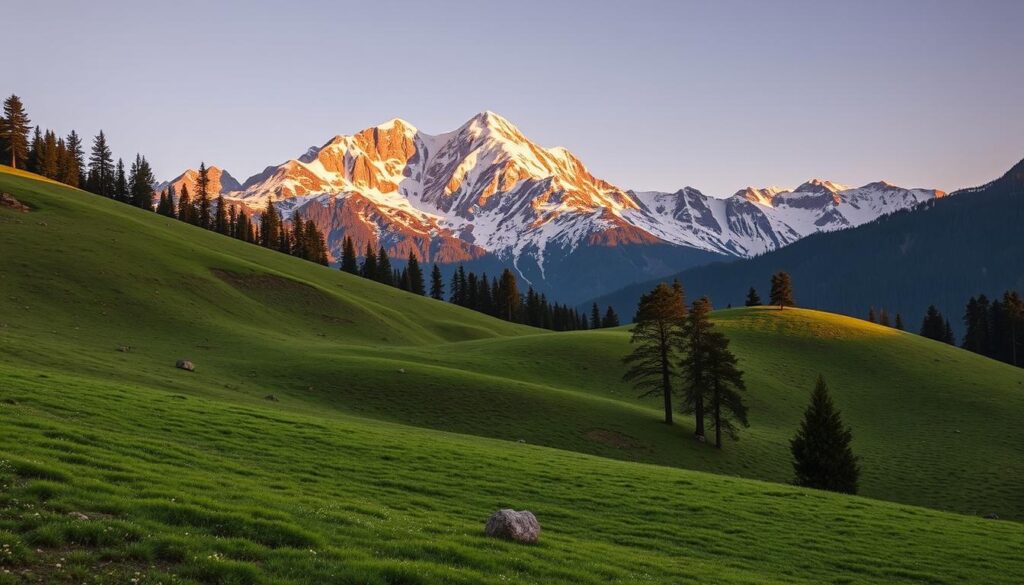
In the heart of Jammu and Kashmir, Yusmarg stands out as a peaceful retreat, rich in natural beauty and historical significance. Known as “The Meadow of Jesus,” this serene hill station is located 47 kilometers from Srinagar in the western part of Kashmir Valley.
Yusmarg is not just a scenic destination; it holds historical and religious significance. The Ahmadiyya Muslim community believes it to be the place where Jesus once lived. The name “Yusmarg” translates to “The Meadow of Jesus” in Kashmiri, with “Marg” meaning meadow and “Yus” considered a short form of Youza or Jesus.
Explore the Natural Beauty
The landscape of Yusmarg is more beautiful than anything you will ever see. It is home to several picturesque locations, including the Sang-e-Safed Valley, known for its exceptional flower springs. Visitors can enjoy trekking to nearby peaks such as Tattakutti (4,725m) and Sunset Peak (4,746m), or experience horse riding through the lush green meadows.
One of the must-visit places near Yusmarg is Nilnag Lake, a beautiful alpine lake surrounded by pine forests, located about 4 kilometers away. The area is also dotted with dense forests of pine and fir trees, offering panoramic views of the Pir Panjal mountain range.
Adventure Activities
Yusmarg’s huge natural slopes offer skiing chances to adventure seekers during winter. The best time to visit Yusmarg is from April to October when the meadows are lush green and covered with wildflowers, making it an ideal destination for nature lovers and adventure enthusiasts alike.
Visitors can also explore nearby attractions like the Charar-e-Sharif shrine, Doodhganga River, and Sang-e-Safed Valley, each offering unique experiences and scenic beauty. Yusmarg is often referred to as “Mini Switzerland” due to its pristine natural beauty and remains one of the less crowded and more peaceful destinations in Jammu and Kashmir.
To plan your visit, understanding how to reach Yusmarg from Srinagar is essential. Yusmarg is 47 kilometers from Srinagar, and the journey offers its own scenic views, making it a memorable start to your trip.
Kargil – A Historical Landmark
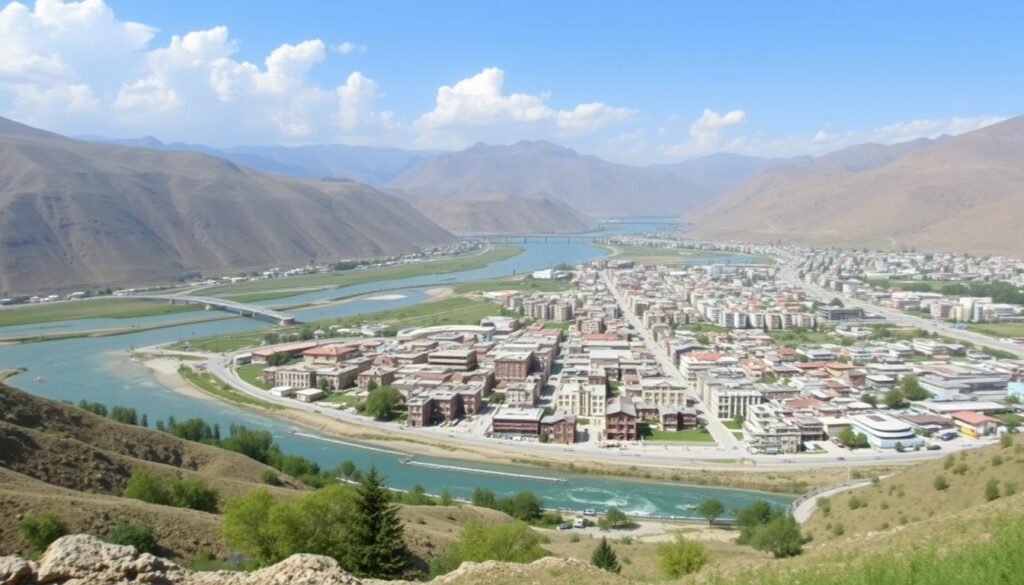
At 2676 meters above sea level, Kargil is not just a city, but a testament to the region’s complex history and cultural diversity. Located in the Ladakh region of Jammu and Kashmir, Kargil is the second-largest city after Leh. Its strategic location along the banks of the Suru River has made it a significant historical landmark.
The city’s extreme climate, with temperatures dropping as low as -45 degree Celsius in winters, is a testament to its rugged beauty. The people of Kargil, mostly of mixed Dard and Tibetan descent, have a rich cultural heritage influenced by both Tibetan Buddhist traditions and Islamic culture. Until the 18th and 19th centuries, the majority of the population was Tibetan-Buddhist, after which many converted to Islam.
Kargil is known for its role in the 1999 Kargil War between India and Pakistan, a conflict that shaped the city’s identity and significance. Visitors can explore the Kargil War Memorial in Drass, also known as Vijaypath, which commemorates the bravery of the soldiers who sacrificed their lives during the war.
Some of the key places to visit in Kargil include:
- The Drass Valley, known as the second-coldest inhabited place in the world after Siberia.
- Ancient Buddhist monasteries like Mulbekh Monastery and Rangdum Monastery, showcasing the region’s Buddhist past.
- The Suru River, which offers breathtaking views and is a significant geographical feature of the region.
The best time to visit Kargil is from May to September when the weather is relatively mild and all routes are accessible. This period allows visitors to fully appreciate the city’s historical significance and natural beauty.
Kargil’s strategic importance as a transit point between Srinagar and Leh on the historic Silk Route adds to its historical landmark status. The city’s rich cultural heritage, reflected in its architecture, cuisine, and local customs, makes it a fascinating destination for travelers.
Verinag – The Source of Jhelum River
In the heart of the Anantnag district lies Verinag, a town that is home to the majestic Verinag Spring, the source of the Jhelum River. Verinag is a town in Jammu and Kashmir that is steeped in history and natural beauty.
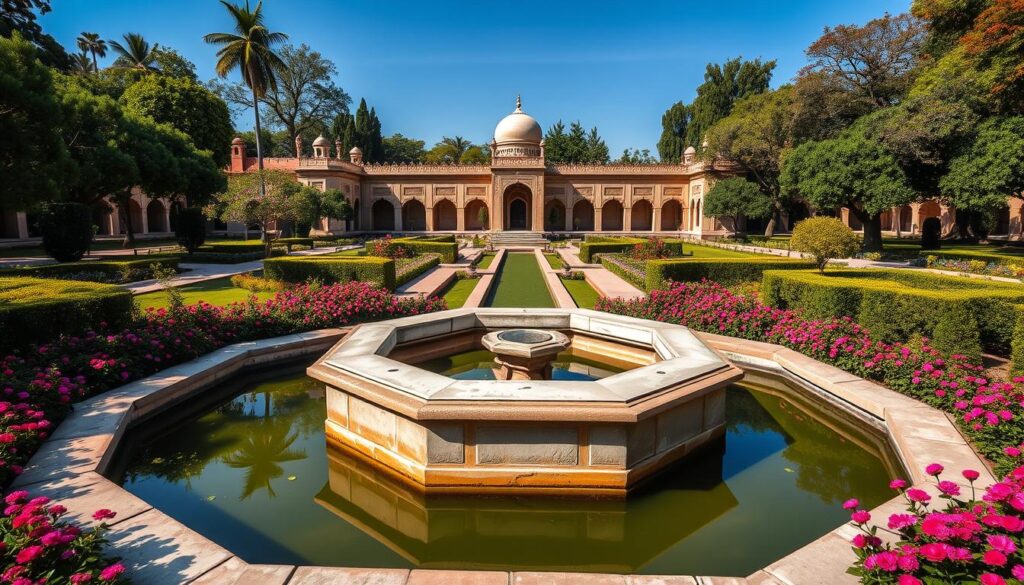
The Verinag Spring is a must-visit attraction, with its deep blue waters emerging from the bottom of a high scarp of a mountain spur. The spring is surrounded by an octagonal stone basin built by Emperor Jahangir in 1620, showcasing the classic architecture of the Mughal era.
The surrounding Mughal Garden, later completed by Shah Jahan, is a testament to the region’s rich cultural heritage. The garden exemplifies classic Mughal landscaping with its terraced lawns, fountains, and flower beds, making it a perfect spot for visitors to relax and unwind.
Verinag is not only significant for its natural beauty but also for its historical importance. It was a favorite retreat of Mughal emperors, particularly Jahangir, who was so enamored by its beauty that he wished to be buried there. The town’s etymology is also noteworthy, with the name “Verinag” derived from the Sanskrit words “Vira” (to return) and “Nag” (water spring), related to the legend of goddess Vitasta (Jhelum).
Visitors can explore the spring and the garden from April to October, when the garden is in full bloom and the weather is pleasant. The source of the Jhelum River is a geological wonder, and the site has been designated as a Monument of National Importance by the Archaeological Survey of India.
Verinag is a place that offers a unique blend of natural beauty, historical significance, and cultural richness, making it a must-visit destination in Jammu and Kashmir. Whether you’re interested in history, architecture, or simply enjoying the great outdoors, Verinag has something to offer.
Top Tourist Destinations in Jammu and Kashmir for Adventure Enthusiasts
For those who crave adventure, Jammu and Kashmir is the ultimate destination, with its diverse landscapes and exciting experiences. The region offers a plethora of adventure activities that cater to all kinds of enthusiasts, from beginners to seasoned adventurers.
Gulmarg, a picturesque hill station, is renowned for its skiing facilities, considered among the best in Asia. The slopes here are suitable for skiers of all levels, making it an ideal destination for a Kashmir tour focused on skiing.
The region is also a trekker’s paradise, with trails like the Great Lakes Trek in Kashmir and the Markha Valley Trek in Ladakh offering trekking opportunities amidst stunning landscapes. These treks vary in difficulty, ensuring that there’s something for every kind of trekker.
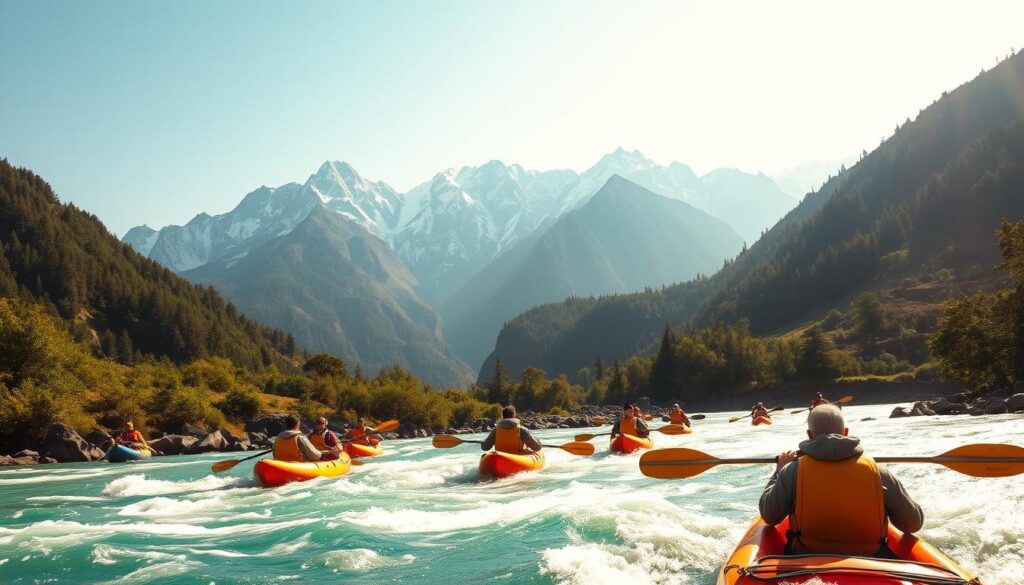
For those who enjoy river rafting, the Lidder River in Pahalgam and the Indus River in Ladakh offer thrilling experiences with rapids ranging from Grade I to Grade IV. Additionally, trout fishing in the crystal-clear streams of Pahalgam, Sonamarg, and Gurez Valley is a must-try for fishing enthusiasts.
Adventure seekers can also indulge in paragliding in Patnitop and Sanasar, which offers breathtaking aerial views of the Himalayan landscapes. Moreover, mountain biking in Ladakh, especially on the famous Manali-Leh and Srinagar-Leh highways, is considered among the most challenging and scenic routes in the world.
Jammu and Kashmir, with its diverse adventure sports and breathtaking landscapes, is a perfect destination for those looking to experience the thrill of adventure activities. Whether you’re planning a Kashmir tour or just looking for places to visit in Jammu and Kashmir, this region has something to offer for every kind of traveler.
Understanding the best seasons for different adventure activities and making necessary preparations is crucial for a safe and enjoyable experience. With proper planning, a trip to Jammu and Kashmir can be an unforgettable adventure.
Best Time to Visit Jammu and Kashmir
Jammu and Kashmir, a paradise on earth, is a year-round destination, but the best time to visit depends on the region and the activities you have planned. The diverse climate patterns across different regions of Jammu and Kashmir significantly affect travel plans throughout the year.
The Kashmir Valley, including Srinagar, Gulmarg, Pahalgam, and Sonamarg, is generally best visited from April to October when the weather is pleasant and landscapes are lush green. During this period, the valley is covered with blossoms, making it an enchanting destination. As Dr. APJ Abdul Kalam once said, “Kashmir is a paradise on earth, and it’s a treat to visit during spring.”
“Kashmir is a paradise on earth, and it’s a treat to visit during spring.” –
For those who enjoy pleasant weather and don’t mind the crowds, summer months (April to June) offer perfect conditions for sightseeing, with blooming gardens, moderate temperatures, and accessible mountain passes. In contrast, autumn (September to November) transforms Kashmir into a golden paradise with changing leaf colors and harvest season, offering unique photographic opportunities.
Winter (December to February) brings heavy snowfall to many regions, making it ideal for snow activities like skiing in Gulmarg but challenging for general travel due to blocked roads. If you’re planning a Kashmir tour during winter, ensure you’re prepared for the cold and potential travel disruptions.
Ladakh has a different climate pattern, with the best visiting time being May to September when mountain passes are open and temperatures are moderate. On the other hand, the Jammu region is best visited during October to March when the weather is cooler, while summers can be quite hot.
Regional festivals and events throughout the year might also influence your travel plans. For instance, the Tulip Festival in April and the Hemis Festival in Ladakh in June/July are significant attractions. To ensure a comfortable journey regardless of when you visit, it’s essential to pack accordingly for the different seasons.
- Understand the diverse climate patterns across different regions of Jammu and Kashmir.
- Plan your visit according to the activities you have in mind, whether it’s skiing or sightseeing.
- Make the most of the regional festivals and events that take place throughout the year.
In conclusion, the best time to visit Jammu and Kashmir is relative and depends on your preferences and the experiences you’re looking for. Whether you’re drawn to the lush greenery of summer or the snow-covered landscapes of winter, Jammu and Kashmir has something to offer every traveler.
How to Reach Jammu and Kashmir
For those planning a trip to Jammu and Kashmir, understanding the transportation options is crucial. Jammu and Kashmir is a beautiful region with various tourist attractions, and reaching there is easier than ever with multiple transportation modes available.
By Air: The most convenient way to reach Jammu and Kashmir is by air. The Srinagar International Airport is the main gateway to the Kashmir Valley, offering direct flights from major Indian cities like Delhi, Mumbai, Bangalore, and Kolkata. For instance, if you’re heading to Gulmarg or Sonamarg, Srinagar International Airport is the nearest airport, located at a distance of 56 km and 70 km respectively.
Jammu Airport is another important entry point, especially for those planning to visit the Jammu region or heading to Vaishno Devi. Additionally, the Kushok Bakula Rimpochee Airport in Leh connects Ladakh to major Indian cities during the tourist season (May to September).
By Train: For those preferring train travel, Jammu Tawi Railway Station is the nearest major railway station to Kashmir Valley, well-connected to major Indian cities.
By Road: Jammu and Kashmir is also connected by road, with National Highways linking the region to the rest of India. Famous routes include the Jammu-Srinagar Highway (NH-44) and Manali-Leh Highway. Once you arrive, local transportation options within Jammu and Kashmir include state-run buses, shared taxis, and private car rentals.
It’s essential to consider the seasonal road conditions, as some routes may be closed during winter due to heavy snowfall, especially to Ladakh and certain parts of Kashmir. Choosing the best mode of transportation depends on your starting point, budget, time constraints, and the specific regions you plan to visit in Jammu and Kashmir.
When planning your Kashmir tour, ensure you’re well-prepared with the right transportation choices to make the most of your trip. Whether you’re visiting the scenic valleys or the historical landmarks, Jammu and Kashmir has something for every traveler.
Travel Tips for an Unforgettable Kashmir Experience
Jammu and Kashmir, with its rich cultural heritage and natural beauty, is a destination that promises an enriching experience, if you’re well-prepared. As you plan your Kashmir honeymoon or Kashmir tour, there are several factors to consider to make the most of your trip.
First and foremost, understanding the best time to visit Jammu and Kashmir is crucial. The region experiences varied climates across different seasons, and being aware of the time to visit can significantly enhance your experience. For instance, Gurez Valley remains cut off from the rest of the world during winter due to heavy snowfall, while summer brings vibrant wildflowers, making the landscape picturesque.
When planning your Kashmir tour, it’s essential to consider the necessary permits required for certain areas, especially in Ladakh and border regions. Obtaining these permits in advance can save you from last-minute hassles. Additionally, acclimatization is key when visiting high-altitude destinations like Ladakh to prevent altitude sickness.
Packing wisely is another critical aspect. The attire you choose should be appropriate for the season. For snow activities in Gulmarg, warm clothing, including gumboots, jackets, mufflers, gloves, and shoes, is indispensable. Even in summer, higher altitudes can be chilly, so it’s always a good idea to carry layers.
Respecting local customs and traditions is vital to ensuring a harmonious and enjoyable experience. Jammu and Kashmir is known for its cultural diversity, and being mindful of this can enrich your interactions with the local community.
For a Kashmir honeymoon, romantic experiences like shikara rides on Dal Lake and stays in luxury houseboats can be truly unforgettable. Don’t miss the opportunity to savor local cuisine, including dishes like Wazwan, Kahwa (Kashmiri tea), and Rogan Josh, which are sure to enhance your culinary experience.
To capture the natural beauty of Kashmir’s landscapes, consider the best times and locations for photography. Understanding the local environment and being prepared can help you take stunning shots.
Lastly, embracing sustainable tourism practices is crucial for preserving the pristine environment and supporting local communities during your Jammu and Kashmir visit. By being mindful of your impact, you can contribute to the long-term beauty and charm of this incredible destination.
By following these travel tips, you can ensure a smooth, safe, and memorable experience while exploring the beautiful tourist places in Jammu and Kashmir. Whether you’re on a Kashmir honeymoon or a Kashmir tour, being prepared will allow you to fully appreciate the region’s natural beauty and rich cultural heritage.