By
By Explore the Wonders of Jim Corbett National Park
Nestled in the Nainital district of Uttarakhand, India, Jim Corbett National Park is a haven for wildlife enthusiasts and nature lovers. Established in 1936 as Hailey National Park, it was later renamed in 1957 to honor the legendary hunter-turned-conservationist, Jim Corbett.
This national park spans over 520 square kilometers, featuring diverse landscapes such as dense forests, rolling grasslands, and the scenic Ramganga River. It provides a perfect habitat for numerous wildlife species, including the endangered Bengal tiger.
With its rich biodiversity and varied ecosystems, Jim Corbett National Park offers an unforgettable experience for visitors. The park’s significance in conservation efforts is underscored by its role as the launching site for Project Tiger in 1973.
Key Takeaways
- Asia’s first national park, established in 1936.
- Renamed in 1957 to honor Jim Corbett, a legendary hunter-turned-conservationist.
- Home to the endangered Bengal tiger and diverse wildlife species.
- Launched site for Project Tiger in 1973.
- Offers various safari options for an immersive wildlife experience.
The Rich History of Jim Corbett National Park
As one of India’s premier national parks, Jim Corbett National Park has a storied past that began in the early 1900s. The park was initially established in 1936 as Hailey National Park, named after Sir Malcolm Hailey, the then Governor of the United Provinces. This marked a significant step in conservation efforts in the region.

The conservation journey of Corbett National Park began in 1868 when the British Forest Department prohibited agricultural activities and cattle stations, protecting the pristine wilderness. In 1952, it was renamed Ramganga National Park, and finally, in 1957, it was named Jim Corbett National Park in honor of the legendary hunter-turned-conservationist Jim Corbett. The park became the first to be included in Project Tiger in 1973, a conservation program aimed at protecting the Bengal tiger.
The park’s historical significance is also reflected in its historical forest rest houses, some of which date back to the British era, maintaining their colonial charm while serving visitors. Throughout its history, Corbett National Park has expanded its boundaries and strengthened conservation efforts, evolving into a crucial tiger reserve and sanctuary for endangered species.
Discovering the Diverse Wildlife of Jim Corbett
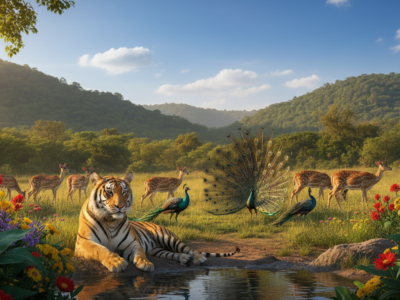
Jim Corbett National Park is a haven for wildlife enthusiasts, offering a glimpse into the rich biodiversity of the region. The park is known for its diverse flora and fauna, including Bengal tigers, Indian elephants, leopards, sloth bears, deer, and over 600 species of birds.
The Corbett Tiger Reserve is home to the highest density of Bengal tigers, making tiger sightings a thrilling highlight for visitors. On a typical day in Corbett, you’ll witness Asian elephants gracefully traversing the grasslands and leopards lurking in the shadows, adding to the park’s untamed charm.

The diverse ecosystem of Corbett National Park supports a wide range of wildlife. Beyond tigers, the park is home to an impressive array of animals including Asian elephants, leopards, sloth bears, jackals, and various deer species such as sambar, chital, and barking deer.
The park’s biodiversity is further enhanced by its reptilian life, with species like the Indian python, king cobra, gharial, and mugger crocodile. The Ramganga River that flows through the park supports a variety of aquatic species and serves as a vital water source for the park’s inhabitants.
Different zones within the Corbett National Park offer varied wildlife experiences. While Dhikala is renowned for tiger sightings, areas like Durga Devi are celebrated for their exceptional bird diversity, with over 580 species of resident and migratory birds.
Conservation efforts within the park have helped maintain healthy populations of numerous species, making Corbett a success story in India’s wildlife protection initiatives. Visitors often report unforgettable encounters with wildlife, from witnessing a tiger’s powerful presence to observing the complex social behaviors of elephant herds in their natural environment.
Safari Adventures in Jim Corbett National Park
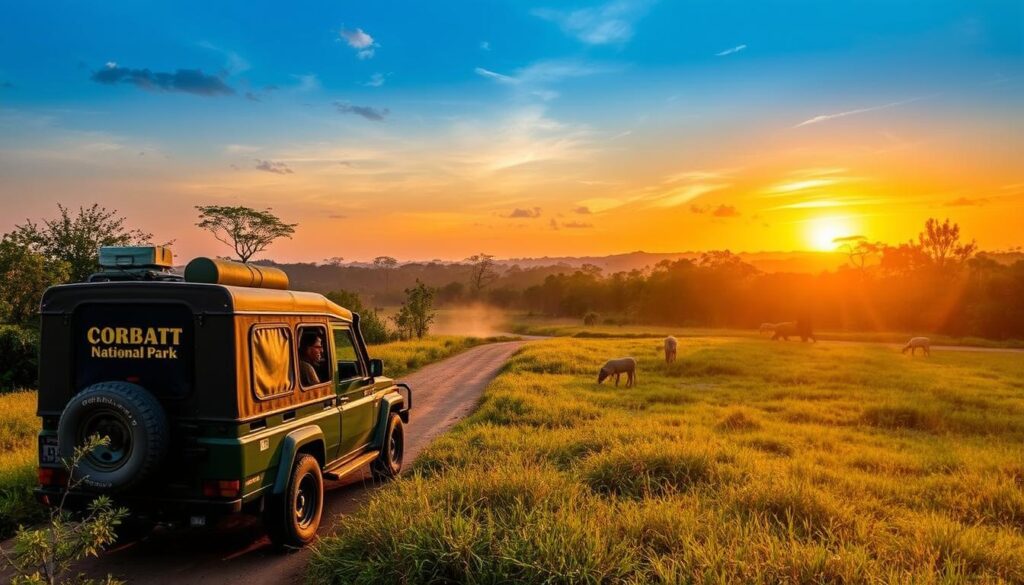
Explore the wilderness of Jim Corbett National Park through its exciting jeep, elephant, and canter safaris. The park offers unmatched options for tourists to begin their adventure wildlife trip into the forest.
Jeep safaris are the most popular way to explore Jim Corbett National Park. They offer flexibility and access to all zones with expert naturalist guides. The open 4×4 Gypsy vehicles accommodate up to six passengers, providing excellent visibility and photography opportunities.
Elephant safaris offer a unique perspective of the forest from atop these gentle giants. Starting from the Durgadevi gate and ending at Halduparao, elephant safaris typically last 2-3 hours and are particularly popular with families.
Canter safaris, available exclusively in the Dhikala zone, use larger open vehicles that can accommodate up to 16 passengers. They are a cost-effective option for larger groups or budget travelers.
The safari timings vary by season. Park entry is generally from 06:30 hours to 17:30 hours. Jeep safaris operate from 06:30 hours to 09:30 hours and 13:30 hours to 17:30 hours. Advance booking is essential for all safari types, especially during peak season (November to June).
Professional guides accompany all safaris, enhancing the experience with their expert knowledge of animal behavior and fascinating stories about the park’s history and conservation efforts.
Exploring the Different Zones of Jim Corbett
With nine different zones, Jim Corbett National Park provides a range of wildlife experiences. The park is strategically divided into multiple safari zones, each offering unique landscapes and wildlife viewing opportunities across its vast 1,318.54 square kilometer area.
The Dhikala zone, considered the crown jewel of Corbett, is the largest and most biodiverse area featuring expansive grasslands, dense sal forests, and the picturesque Ramganga reservoir. This makes it the premier location for tiger sightings and wildlife photography.
Other notable zones include the Bijrani zone, known for its beautiful meadows and mixed forests, and the Jhirna zone, which remains open throughout the year and is known for its sloth bear sightings. The Durga Devi zone, located in the northeastern boundary, is a paradise for birdwatchers with over 600 species recorded.
Each zone has specific entry gates, operating seasons, and safari timings. Visitors should choose their zone based on specific interests – wildlife photographers might prefer Dhikala or Bijrani, while birdwatchers would enjoy Durga Devi. The various zones of Jim Corbett National Park offer a diverse and exciting experience for all visitors.
In total, Jim Corbett National Park is divided into nine different zones, including Dhikala, Bijrani, Jhirna, Durgadevi, Sonanadi, Garjiya, Dhela, Phanto, and Sitabani. Understanding the characteristics of each zone can help plan a memorable trip to Corbett National Park.
Best Time to Visit Jim Corbett National Park
Planning a trip to Jim Corbett National Park requires understanding the optimal time to visit for a memorable experience. The park remains open from mid-November to mid-June, with varying schedules for different zones.
The Corbett National Park is accessible during different seasons, each offering unique experiences. The weather and temperature play a significant role in determining the best time to visit.
- The optimal time to visit spans from November to June, with zones like Dhikala operating from mid-November to mid-June.
- Winter (November to February) offers pleasant temperatures, ranging from 15°C to 25°C, ideal for safari adventures and wildlife spotting.
- Summer months (March to June) see temperatures rising to 30-40°C, providing opportunities for tiger sightings as animals visit water bodies.
The Corbett National Park transforms dramatically with each season, offering diverse backdrops for wildlife images. Visitors should plan according to their preferences and book in advance, especially during peak season (December to March).
Understanding the time and year you’ll be visiting helps in planning a successful trip to this national park, ensuring a memorable experience amidst nature and animals.
Accommodation Options in and Around Corbett
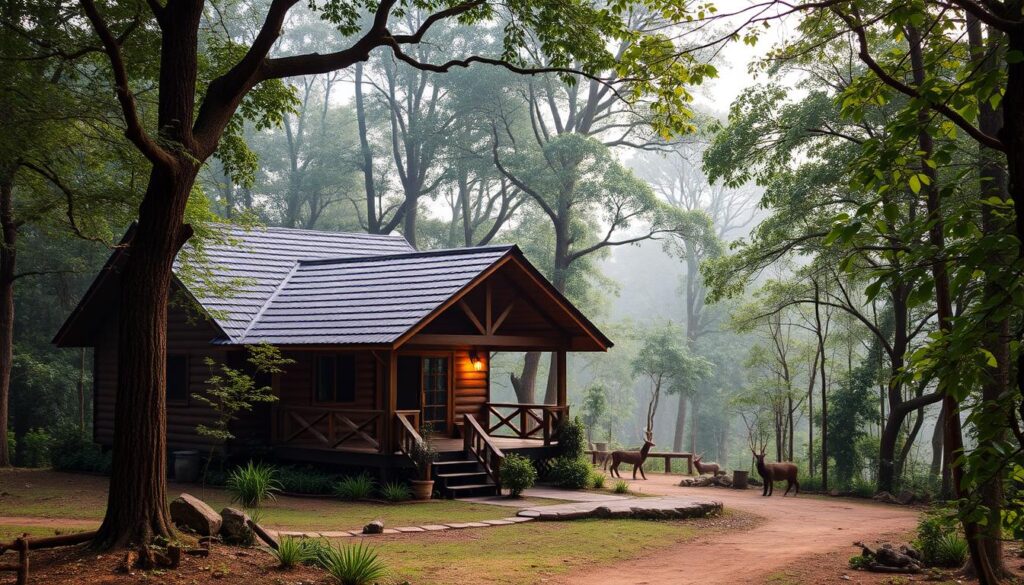
The diverse accommodation options in and around Jim Corbett National Park cater to the needs of various travelers, from luxury seekers to budget tourists. The park offers a unique experience of staying inside the jungle, with various government-run forest rest houses like the historic Dhikala Forest Lodge.
Dhikala Forest Lodge, built by the Britishers hundreds of years ago, is a popular choice among tourists. It provides snug accommodation options with breathtaking vistas of flora and fauna. Although it’s not luxurious, the experience of staying amidst the jungle is unforgettable. The lodge offers different kinds of accommodation options, including Forest Rest Houses, Cabins, Hutments, and Log huts with 24 bunk beds.
Jim Corbett National Park offers a diverse range of accommodation options to suit every budget and preference. Visitors can choose from luxury resorts with world-class amenities, authentic forest rest houses, mid-range wildlife lodges, and eco-resorts. For those seeking luxury, numerous high-end resorts are located in the buffer zone around the park, offering amenities like swimming pools, spa services, and multi-cuisine restaurants.
For budget travelers, affordable guesthouses and homestays are available in nearby villages like Ramnagar, Dhikuli, and Marchula. These provide authentic local experiences and home-cooked meals at reasonable prices. The location of your accommodation significantly impacts your park experience, with places like Dhikala or Gairal offering early access to core areas.
Many accommodations offer comprehensive tour packages that include safari bookings, transportation, meals, and additional activities like river rafting on the Kosi River. During peak season (November to March), accommodations fill up quickly, making advance reservations essential.
How to Reach Jim Corbett National Park
The journey to Jim Corbett National Park is a scenic one, with multiple options available for reaching this wildlife haven. Ramnagar town serves as the primary gateway to the park, functioning as the headquarters for Corbett Tiger Reserve.
Ramnagar is well-connected by road and rail networks to major cities in India, including Delhi, Moradabad, Nainital, and Bareilly. The park is approximately 15 km from Ramnagar railway station, and it takes about half an hour to reach the park from there.
By road, Ramnagar has a well-maintained network of roads that connect to different cities. The Corbett National Park is about 260 kilometers from Delhi, and the drive takes around 5-6 hours via Moradabad and Kashipur. Regular bus services operated by Uttarakhand State Transport and private operators connect Ramnagar to Delhi, Nainital, Dehradun, and other major cities.
For those preferring train travel, Ramnagar Railway Station is well-connected to major cities with direct trains from Delhi, including the Ranikhet Express and Corbett Link Express. The nearest airports are Pantnagar Airport (80 km) for domestic flights and Delhi International Airport for international connections, with taxi services available from both airports to Ramnagar.
It’s essential to plan your transportation according to the zone you plan to visit, as different safari zones have separate entry gates. For instance, the Bijrani gate is just 1 km from Ramnagar, while the Dhikala entry point is approximately 18 km away. Private taxis and shared jeeps are available in Ramnagar for transportation to various entry gates and accommodations around the tiger reserve.
Planning Your Perfect Corbett Adventure
To make the most of your visit to Jim Corbett, it’s essential to plan carefully, considering the best times and zones to visit. TheCorbett Tiger Reserve, spanning 1288.31 sq km, offers a diverse range of experiences across its eight safari zones. Each zone provides a unique blend of adventure and serenity, from the dense Sal forests to serene hills and reservoirs.
When planning your trip, deciding on the optimal duration is crucial. A quick 2-day/1-night visit allows for basic exploration, while a 3-4 day stay across multiple zones provides a more comprehensive wildlife experience. VariousCorbett tour packagesare available, ranging from basic safari-focused options to comprehensive packages that include accommodation, meals, and additional activities like bird watching tours and nature walks.
Advance booking is crucial, especially during peak season (November to March), with safari permits for popular zones like Dhikala requiring reservations 30-45 days ahead for Indian nationals and 45-60 days for international visitors. Visitors should also familiarize themselves with park rules and safari etiquette to ensure both safety and optimal wildlife viewing.
The best wildlife experiences often come from patience and persistence. Booking multiple safaris increases your chances of significant sightings, as wildlife viewing is unpredictable and varies by time of day, season, and zone. By choosing the rightCorbett tour packageand planning your visit carefully, you can create memories that last a lifetime in this incredibletiger reserve.