By
By Exploring the Best of Vrindavan: Must-Visit Spots
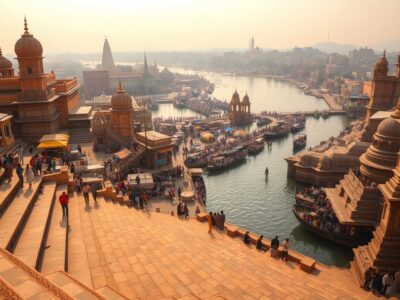
Vrindavan, a sacred city in Uttar Pradesh, is a haven for devotees and travelers seeking peace, spirituality, and historical appeal. Known as the land of Lord Krishna, this city is dotted with marvelous temples, serene ghats, and vibrant markets.
The spiritual significance of Vrindavan lies in its association with Lord Krishna’s childhood and divine lilas. Millions of devotees and tourists visit annually to experience the divine atmosphere and visit numerous temples. This article will guide you through the most significant places to visit in Vrindavan, helping you plan a meaningful spiritual journey.
Key Takeaways
- Vrindavan is a sacred city known for its connection to Lord Krishna.
- The city offers numerous temples, ghats, and markets to explore.
- Millions of devotees visit Vrindavan annually for its spiritual significance.
- The city’s attractions include famous temples like Banke Bihari and Prem Mandir.
- Vrindavan provides a mix of religious, cultural, and historical experiences.
The Divine City of Vrindavan: A Sacred Journey
As the dwelling place of Lord Krishna, Vrindavan offers a spiritual journey like no other, attracting devotees from around the world. This sacred city is a place where devotion and history blend seamlessly, creating a unique experience for visitors.
Vrindavan’s rich history dates back to the time when it was a forested area where Lord Krishna played. Over the centuries, it has evolved into a major pilgrimage center. The city’s spiritual significance is deeply rooted in Hindu mythology and is mentioned in ancient texts like the Bhagavata Purana as the divine playground of Lord Krishna.

The connection between Mathura (Krishna’s birthplace) and Vrindavan (where he spent his childhood) forms the core of the Braj region. The atmosphere of devotion that permeates Vrindavan is palpable, with constant chanting, bhajans (devotional songs), and religious ceremonies creating a unique spiritual environment.
Vrindavan has preserved its heritage while evolving into a destination that welcomes visitors from all backgrounds and faiths. The best time to visit Vrindavan is during festivals like Janmashtami (Krishna’s birthday) and Holi, when the city comes alive with special celebrations. With numerous temples and sacred places to visit, Vrindavan is a city that embodies the essence of spirituality and heritage.
Banke Bihari Temple: The Heart of Vrindavan
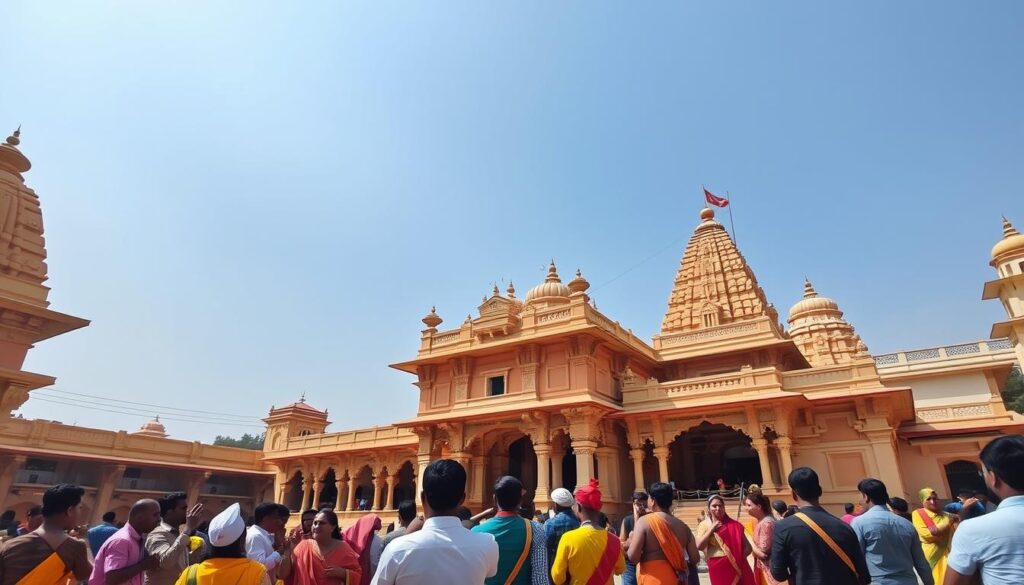
Vrindavan’s Banke Bihari Temple is a sacred site where devotees flock to experience the divine love of Lord Krishna. This temple, dedicated to the deity in the form of Banke Bihari, is a spiritual center and a place of joy, attracting a remarkable number of devotees each day.
The Banke Bihari Temple is renowned for its unique “jhanki” or glimpse tradition, where the curtain in front of the deity is briefly opened and closed throughout the day, creating a special darshan experience for visitors. This practice enhances the temple’s spiritual atmosphere, making it a deeply moving experience for devotees.
Historically, the deity was originally worshipped by Swami Haridas in the 16th century before being moved to its current location. The temple’s architecture, though modest, is compensated by its spiritual significance and the love of the devotees who visit.
Visitors to the temple can enhance their experience by understanding the best times to visit, dress code requirements, and the unique practices followed during worship. Notably, the temple does not use traditional bells or conch shells, adding to its distinct atmosphere.
During festivals like Janmashtami and Holi, the Banke Bihari Temple comes alive with thousands of devotees gathering for extraordinary darshan opportunities. These celebrations are a testament to the temple’s importance in the spiritual lives of its visitors.
Address: Banke Bihari Temple, Loi Bazaar, Vrindavan, Uttar Pradesh. Timings: Summer: 7:30 AM – 12:00 PM & 5:30 PM – 9:30 PM, Winter: 8:00 AM – 12:00 PM & 4:30 PM – 8:30 PM.
Prem Mandir: A Marvel of Modern Architecture
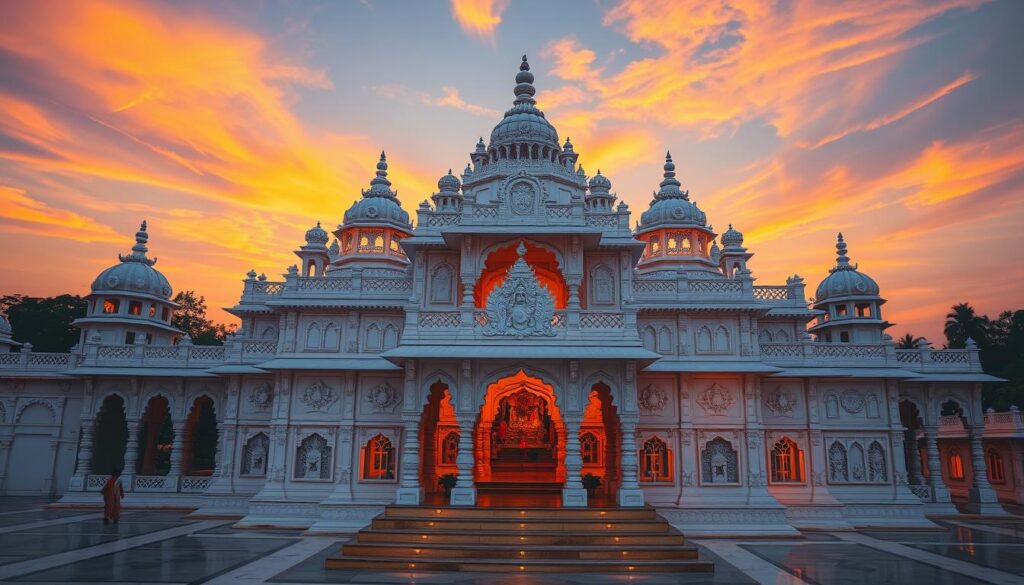
Among Vrindavan’s sacred sites, Prem Mandir stands out for its contemporary architectural excellence. Built by Jagadguru Kripalu Parishat and inaugurated in 2012, this relatively new addition to Vrindavan’s temple landscape is a breathtaking example of modern temple architecture.
The Prem Mandir is renowned for its stunning white marble and intricate carvings that depict scenes from Lord Krishna’s life and the Ramayana. The temple’s architecture is a celebration of love and devotion, dedicated to Radha Krishna and Sita Ram.
One of the highlights of visiting Prem Mandir is the spectacular evening light and sound show. As the sun sets, the temple is transformed into a magical spectacle of colors, making it one of the most photographed spots in Vrindavan. This experience is not to be missed, as it brings the stories of Lord Krishna to life in a mesmerizing display.
The temple complex is expansive, covering 54 acres. It includes beautiful gardens, musical fountains, and peaceful meditation areas surrounding the main shrine. Visitors can enjoy a serene experience amidst the divine ambiance.
Practical information for visitors includes the best times to visit, especially for the evening light show. The Prem Mandir is open from 5:30 AM to 12:00 PM and 4:30 PM to 9:00 PM. It’s advisable to plan your visit around the evening show for the most enchanting experience. Photography policies are generally lenient, but it’s always good to check.
Located on Chattikara Road, Vrindavan, Uttar Pradesh, Prem Mandir is easily accessible and is a place that should be on every visitor’s list when exploring Vrindavan’s attractions.
ISKCON Temple: Global Center for Krishna Consciousness

The ISKCON Temple, also known as Sri Krishna Balaram Mandir, is a significant landmark on any Vrindavan trip. Established by the International Society for Krishna Consciousness, this temple is a beacon of spirituality and devotion. The magnificent white marble building creates an atmosphere of devotion, where visitors can hear endless recitations of the Hare Krishna mantra.
The temple complex is devoted to Lord Krishna and Balaram, featuring beautiful altars housing the deities of Krishna-Balaram, Radha-Shyamasundar, and Gaura-Nitai. The temple’s impressive architecture, with its spacious halls, attracts devotees from around the world, serving as a cultural bridge between Eastern spiritual traditions and Western seekers.
Visitors to the ISKCON Temple can enjoy various activities, including morning and evening aartis, kirtans (devotional singing), and Bhagavad Gita classes. The temple complex also houses a museum, a gift shop, and Govinda’s restaurant, which prepares delicious vegetarian food. The temple complex is a hub of spiritual activity, offering a unique experience for visitors.
The ISKCON Temple plays a vital role in preserving and spreading Krishna consciousness globally, making it an essential place to visit in Vrindavan. The Srila Prabhupada Museum within the complex chronicles the life and achievements of ISKCON’s founder, A.C. Bhaktivedanta Swami Prabhupada, and his mission to spread Krishna consciousness worldwide.
Address: Raman Reti, Vrindavan, Uttar Pradesh. Timings: 4:30 AM-1:00 PM & 4:00 PM-8:30 PM. The ISKCON Temple is a must-visit destination for anyone seeking a deeper understanding of Krishna consciousness and spirituality.
Radha Raman Temple: Ancient Spiritual Heritage

The Radha Raman Temple, established in 1542, is a sacred site that embodies the essence of Vrindavan’s cultural and spiritual legacy. This ancient temple is dedicated to Lord Krishna and houses a self-manifested deity, making it a significant pilgrimage site.
The temple’s historical significance is deeply rooted in the Gaudiya Vaishnava tradition, and it is closely associated with Gopal Bhatta Goswami, one of the six Goswamis of Vrindavan. The unique aspect of the Radha Raman deity is that, unlike most Krishna temples, Radha is not represented by a separate idol but is believed to be present within the Krishna deity itself.
The architecture of the Radha Raman Temple, though relatively simple compared to modern structures, carries centuries of spiritual heritage and provides an authentic devotional atmosphere. The temple is known for preserving traditional worship practices that have remained unchanged for nearly 500 years, including special bhog (food) offerings and musical traditions.
Visitors to the Radha Raman Temple can explore its collection of historic artifacts, including items used by the Goswamis and ancient scriptures that offer insights into Vrindavan’s spiritual history. The temple’s tranquil atmosphere and detailed sculptures allow devotees to form spiritual bonds, making it one of the top places to visit in Vrindavan.
Address: Radha Raman Ghera, Vrindavan, Uttar Pradesh. Timings: 8:00 AM-12:30 PM & 6:00 PM-9:00 PM.
Nidhivan and Seva Kunj: Mystical Groves of Krishna

Nidhivan and Seva Kunj are two mystical groves in Vrindavan that are deeply connected to Lord Krishna’s divine play with Radha and the gopis. These sacred sites are steeped in legends and are a must-visit destination for anyone traveling to Vrindavan.
Nidhivan is a dense forest with trees that have grown in unique, twisted shapes, believed to be the result of the divine love that permeates the area. According to local beliefs, Lord Krishna and Radha continue to perform the Ras Leela every night in Nidhivan, transforming the trees into gopis. Due to this belief, tourism is prohibited at Nidhivan after dark, adding to its mystique and charm.
Seva Kunj, on the other hand, is a mystical garden where Lord Krishna is believed to have played with Radha and the gopis. The site is adorned with ancient trees and lush greenery, creating an atmosphere of ecstatic beauty. It is here that Radha would decorate Krishna with flowers, symbolizing their divine love and devotion.
Both Nidhivan and Seva Kunj offer a unique experience, different from the temple-focused visits. They connect devotees to the more playful and romantic aspects of Krishna’s divine personality, making them essential places to visit in Vrindavan. The mystical ambiance and the historical significance of these groves transport visitors to a different time, enriching their spiritual journey.
Located near the Banke Bihari Temple, Nidhivan is open to visitors from 6:00 AM to 7:00 PM. The address is Nidhivan, Near Banke Bihari Temple, Vrindavan, Uttar Pradesh. Visitors can experience the tranquility and spiritual energy of these sacred groves, making their trip to Vrindavan a memorable one.
Yamuna River and Keshi Ghat: Serene Spiritual Experiences

The Yamuna River is the lifeblood of Vrindavan, playing a pivotal role in the city’s spiritual landscape. It is a sacred site steeped in history and mythology, featuring prominently in Lord Krishna’s childhood stories. The river continues to be an integral part of the city’s spiritual practices, with many devotees visiting its ghats daily.
Keshi Ghat, one of Vrindavan’s most famous riverside steps, is named after the demon Keshi, whom Lord Krishna defeated at this spot according to Hindu mythology. This ghat is renowned for its evening Yamuna Aarti, a lamp ceremony that transforms the space with holy prayers, devotional music, and the magical sight of hundreds of lamps floating on the river.
The architectural significance of Keshi Ghat is evident in its Rajasthani-style pavilions and stone steps leading to the river, making it one of the most picturesque spots in Vrindavan. Visitors can also experience a unique perspective of the city’s sacred ghats and temples through a boat ride on the Yamuna River, connecting them to the same waters that were once Krishna’s playground.
The Yamuna River is not just a site for spiritual experiences but also a place for various spiritual practices, including ritual bathing and parikrama (circumambulation) of Vrindavan, which includes walking along the riverbank. This holistic experience makes a visit to Yamuna River and Keshi Ghat a must for those seeking serene spiritual experiences in Vrindavan.
BEST Places to Visit in Vrindavan for History Enthusiasts
Beyond its spiritual significance, Vrindavan’s historical dimension is a fascinating journey through time. The city is home to numerous historical temples and landmarks that showcase its rich cultural heritage.
The Govind Dev Temple, built in 1590, is one of the most historically significant structures in Vrindavan. This temple is a remarkable blend of Mughal and Hindu architectural styles, evident in its red sandstone construction. Although originally a seven-storied building, only three stories remain today, it still stands as a testament to Vrindavan’s cultural background and is a must-visit for history enthusiasts.
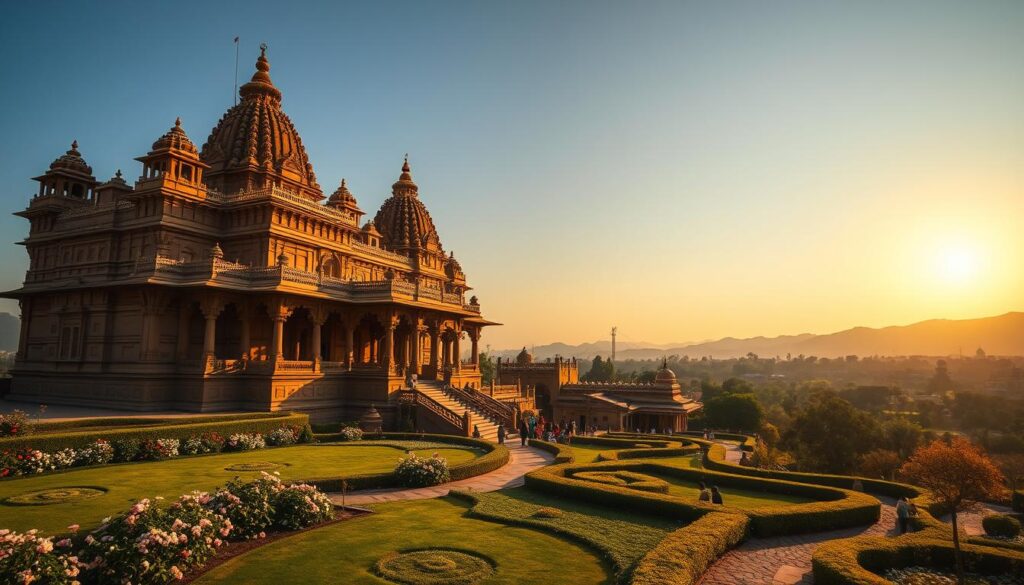
Another ancient sacred temple in Vrindavan is the Madan Mohan Temple. Perched on a hill overlooking the Yamuna River, this temple offers not only serene hilltop views but also spiritual elevation. Its historical connection to Sanatana Goswami adds to its significance.
Other historical temples like Radha Damodar Temple and Radha Vallabh Temple house ancient manuscripts and artifacts, and have connections to important historical figures in the Vaishnava tradition. These temples collectively tell the story of Vrindavan’s development as a pilgrimage center over the centuries.
A historical tour route connecting these ancient sites allows history enthusiasts to trace the evolution of Vrindavan’s religious and cultural landscape. From the time of the Goswamis to the patronage of various Hindu kings, Vrindavan’s history is rich and diverse, making it a compelling destination for those interested in history and heritage.
Visitors can explore these historical sites to gain a deeper understanding of Vrindavan’s past, making their tour a memorable and enriching experience.
Lesser-Known Gems of Vrindavan
For those willing to venture off the beaten path, Vrindavan’s lesser-known temples offer a unique experience. While many flock to the city’s famous temples, these hidden gems provide a more intimate and peaceful spiritual journey amidst fewer crowds.
One such gem is the Shahji Temple, built in 1876, which boasts stunning marble architecture and twelve distinctive spiral columns. The temple’s “Basant Mandap” hall is adorned with beautiful artwork, making it a must-visit destination for architecture enthusiasts. Located on Shahji Temple Road, Vrindavan, it is open from 8:00 AM-11:30 AM and 5:00 PM-7:00 PM.
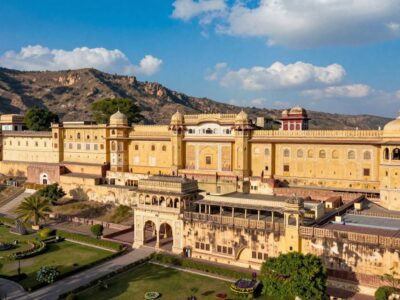
Another notable site is the Jaipur Temple (Radha Madhav Temple), constructed by the Maharaja of Jaipur. This temple showcases royal Rajasthani architectural elements and expansive design, making it one of the most celebrated architectural sites in the region. Other lesser-known sites include the Rangji Temple with its South Indian architectural style, Jugal Kishore Temple, and Radha Damodar Temple, each with unique histories and spiritual significance.
Exploring these hidden gems allows visitors to discover a different side of Vrindavan, away from the crowds that throng the more famous temples. A “hidden gems” tour route connecting these lesser-known sites can provide a more peaceful tour experience, making the most of a visit to this sacred city.
By venturing off the beaten path, travelers can experience the true essence of Vrindavan, enjoying a serene atmosphere and a deeper connection to the place. Whether you’re a history enthusiast, architecture buff, or spiritual seeker, Vrindavan’s lesser-known gems are sure to enrich your journey to this sacred destination.
Planning Your Spiritual Journey to Vrindavan
Embark on a divine journey to Vrindavan, where the essence of Radha and Krishna’s love pervades the air. To make the most of your visit, plan your trip during festivals like Janmashtami, Holi, or the month of Kartik for an austere spiritual experience.
Reaching Vrindavan is convenient, with options like auto-rickshaws and cycle-rickshaws available for local travel. For longer journeys, buses operate regularly from nearby cities like Mathura (10 km away) and Delhi (approximately 150 km away).
When it comes to accommodation, Vrindavan offers a range of options from budget-friendly dharamshalas to luxury spiritual retreats. Modest attire is recommended for temple visits, with shoulders and legs covered, and footwear removed before entering sacred spaces.
Sample itineraries can help you prioritize sites based on your interests and time. Don’t miss the local cuisine, including famous Vrindavan chaat and sweets like pedas and laddoos. For a peaceful experience at crowded temples like Banke Bihari, consider visiting early in the morning.