By
By All About the Char Dham Yatra: A Comprehensive Guide
The Char Dham, or “Four Temples,” in Uttarakhand is one of India’s most revered pilgrimage circuits. Every summer, thousands of pilgrims embark on this sacred journey, seeking spiritual enlightenment and salvation.
This comprehensive guide will walk you through the destinations and temples that make up the Char Dham Yatra, providing essential information for a meaningful and hassle-free pilgrimage. The four sacred sites—Yamunotri, Gangotri, Kedarnath, and Badrinath—each hold unique spiritual significance.
Key Takeaways
- Understand the significance of Char Dham Yatra in Hinduism
- Learn about the four sacred destinations and their importance
- Get practical tips for planning and undertaking the pilgrimage
- Discover the best times to visit and geographical locations
- Prepare physically, mentally, and spiritually for the journey
The Spiritual Significance of Char Dham Yatra
The Char Dham Yatra holds a revered place in Hindu pilgrimage traditions. It is believed that completing this journey leads to salvation, or moksha. The mythology surrounding Char Dham is associated with four temples situated in the four cardinal directions.
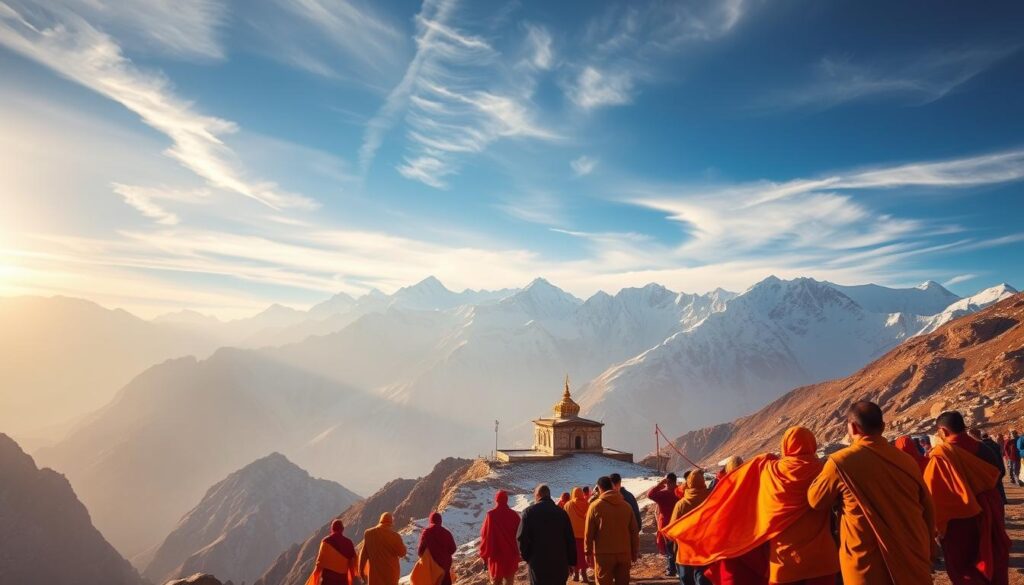
The Char Dham Yatra is not just a physical journey; it is a spiritual odyssey that purifies the soul. Historically, Adi Shankaracharya established the Char Dham circuit in the 8th century to revive Hindu traditions across India. The circuit includes temples dedicated to different deities: Yamunotri to Goddess Yamuna, Gangotri to Goddess Ganga, Kedarnath to Lord Shiva, and Badrinath to Lord Vishnu.
Pilgrims believe that undertaking this sacred journey cleanses them of past sins and aids in achieving spiritual liberation. The Uttarakhand Char Dham, also known as Chota Char Dham, is distinct from the original Char Dham, which includes Badrinath, Puri, Rameswaram, and Dwarka. Hindu tradition advocates that every devotee should undertake this pilgrimage once in their lifetime to attain spiritual fulfillment.
All About the Char Dham Yatra: The Four Sacred Destinations
The Char Dham Yatra is a revered pilgrimage circuit in India that encompasses four sacred destinations. This spiritual journey is significant in Hinduism, as it connects devotees with the divine through visits to four holy sites located in the Uttarakhand region.
The four destinations are Yamunotri, Gangotri, Kedarnath, and Badrinath, each dedicated to a different deity or goddess. Yamunotri and Gangotri are dedicated to Goddess Yamuna and Goddess Ganga, respectively, marking the sources of the sacred rivers Yamuna and Ganga. The Yamunotri shrine, built in 1839 by Naresh Sudarshan Shah, King of Tehri, is located at an altitude of 3,293 meters and requires a 6 km trek from Janki Chatti. Here, pilgrims can cook rice and potatoes in natural hot springs as a form of prasad.
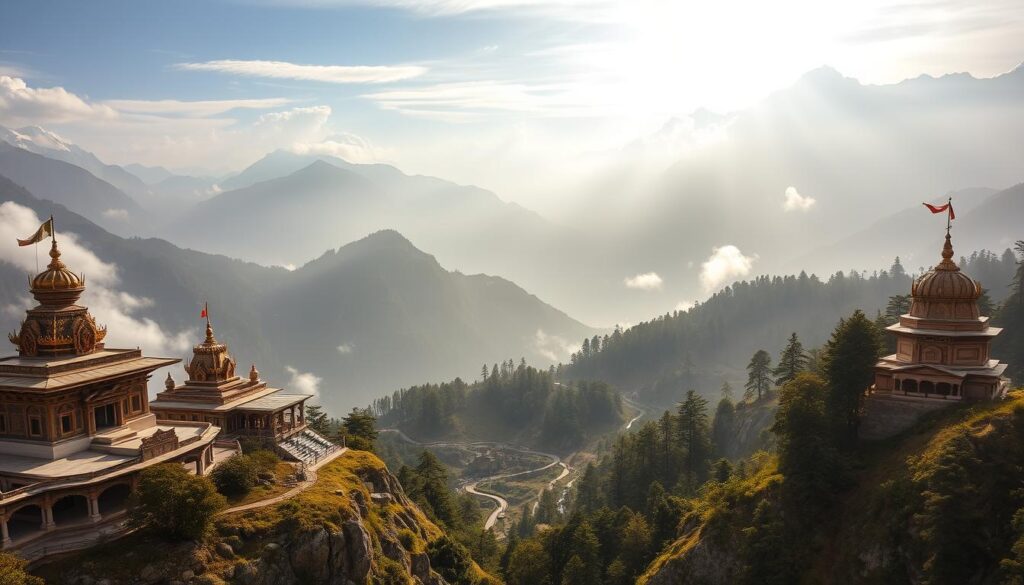
Gangotri, situated at 3,100 meters, is accessible by road and is dedicated to Goddess Ganga. The actual source of the Ganga is at Gaumukh glacier, 19 km from Gangotri, which many pilgrims visit as an additional trek. Kedarnath, the highest of the four at 3,584 meters, is dedicated to Lord Shiva and houses one of the 12 Jyotirlingas. It requires an 18 km trek from Gaurikund, making it the most challenging destination. According to legend, Kedarnath is where Lord Shiva transformed into a bull to evade the Pandavas.
Badrinath, dedicated to Lord Vishnu, is located between the Nar and Narayan peaks at 3,100 meters and is accessible by road. The temple features the sacred Tapt Kund hot spring, believed to have healing properties. Each of these destinations has a winter seat where the deity is relocated during the harsh winter months when the main temples are inaccessible.
The Char Dham Yatra is not just a journey to four temples; it’s an odyssey through some of India’s most breathtaking landscapes and a deep dive into spiritual rejuvenation. The varying altitudes and the natural beauty surrounding these shrines add to the pilgrimage’s significance, making it a unique experience for devotees and travelers alike.
Best Time to Undertake the Char Dham Pilgrimage
Understanding the best time to undertake the Char Dham Yatra is crucial for a comfortable and meaningful pilgrimage. The journey is seasonal, with the temples opening in the spring and closing before the onset of winter.
The Char Dham temples typically open on Akshaya Tritiya (late April or early May) and close around Bhai Dooj (late October or early November). For 2024, the official opening date is May 10th, and the closing date is November 3rd.
- The summer months of May and June offer pleasant weather with clear skies and moderate temperatures, making them ideal for the pilgrimage.
- The post-monsoon period, from September to mid-October, is another excellent time, with lush green landscapes, though occasional rainfall may occur.
- July and August are generally not recommended due to the increased risk of landslides during the monsoon season.
Pilgrims should check current weather forecasts and road conditions before planning their journey, as mountain weather can be unpredictable. Temperature ranges vary significantly across the destinations, from 15-30°C during summer days to 5-10°C at night, especially at higher altitudes like Kedarnath.
Planning Your Char Dham Yatra Itinerary

Char Dham Yatra, a sacred journey to four holy destinations, necessitates careful planning to ensure a smooth and enjoyable trip. The ideal itinerary for Char Dham Yatra is typically done in the order of four temples: Yamunotri, Gangotri, Kedarnath, and Badrinath.
The traditional Char Dham Yatra follows a clockwise sequence beginning at Yamunotri, proceeding to Gangotri, then Kedarnath, and concluding at Badrinath. A complete circuit typically requires 10-12 days to allow for travel time between destinations and adequate rest periods to adjust to the high altitudes.
When planning your itinerary, consider including acclimatization days, especially before reaching higher altitude destinations like Kedarnath. Starting points for the journey typically include Haridwar, Rishikesh, or Dehradun, with the first leg usually being the journey to Yamunotri.
Key Considerations for Your Itinerary:
- A standard 11-day itinerary includes one day at each temple, travel days between destinations, and a buffer day for unexpected delays or rest.
- For those with time constraints, abbreviated options include the popular “Do Dham Yatra” focusing on either Kedarnath-Badrinath or Yamunotri-Gangotri combinations.
- A well-planned itinerary should balance spiritual activities with adequate rest to prevent altitude sickness and exhaustion.
- Include buffer days in your schedule to account for potential weather delays, road closures, or simply to extend your stay at a particularly meaningful location.
By carefully planning your Char Dham Yatra itinerary, you can ensure a fulfilling and spiritually enriching experience. Consider the physical demands of each destination and plan accordingly.
Transportation Options for Char Dham Yatra

Pilgrims undertaking the Char Dham Yatra have multiple transportation options to choose from, depending on their preferences and budget. The journey can be completed via road, which is the most common and economical way, taking around 10 to 12 days.
The Char Dham destinations are accessible by road from major cities like Haridwar, Delhi, Rishikesh, and Dehradun. Extensive road and rail networks connect these cities, making it convenient for pilgrims to reach the starting points of their journey. Public and private buses, as well as taxi services, are readily available.
For those with limited time or physical constraints, helicopter services offer a premium alternative, reducing the trip duration to just 4 to 5 days. These services operate from Dehradun’s Sahastradhara Helipad, offering packages for the complete circuit or specific temples like Kedarnath.
Some pilgrims opt for a combination of road transport and helicopter services, particularly for challenging treks like Kedarnath. Advance booking is essential for both private taxis and helicopter services, especially during peak pilgrimage season.
By choosing the right transportation options, pilgrims can ensure a smooth and enjoyable trip to the Char Dham destinations.
Trekking Requirements for Each Dham
Understanding the trekking requirements for each Char Dham is crucial for a successful pilgrimage. The Char Dham Yatra involves varying levels of trekking difficulty across its four sacred destinations.
The trek to Yamunotri is moderate, spanning 6 km from Janki Chatti, which takes approximately 3-4 hours one way. Pilgrims can complete this trek as a day trip, returning to Janki Chatti the same day after darshan at the temple. For those unable to walk, palki (palanquin) and pony services are available.
Gangotri temple is accessible by road, requiring no mandatory trekking. However, many pilgrims opt for the additional 19 km trek to Gaumukh glacier, the actual source of the Ganga, which typically takes two days to complete.
The trek to Kedarnath is the most challenging, involving an 18 km uphill journey from Gaurikund that typically takes 6-8 hours. Alternative options include helicopter services to Kedarnath helipad or using pony/palki services for the trek.
Badrinath is the most accessible of the four dhams, with vehicles reaching within 1 km of the temple, requiring minimal walking on relatively flat terrain.
Proper trekking gear is essential, particularly for the Kedarnath trek, including sturdy shoes, walking sticks, rain protection, and appropriate clothing for changing weather conditions. As
“The journey of a thousand miles begins with a single step.”
Pilgrims should be well-prepared for the trekking challenges ahead.
Essential Preparations for the Pilgrimage

Embarking on the Char Dham Yatra requires meticulous preparation to ensure a spiritually enriching and physically manageable journey. The Char Dham Yatra is a significant pilgrimage that involves visiting four sacred destinations at high altitudes.
Physical preparation is crucial, with recommended fitness training beginning at least 2-3 months before the pilgrimage, especially for those planning to trek to Kedarnath. A thorough health check-up and necessary medications are also vital.
Packing essentials include layered clothing for variable weather, sturdy waterproof trekking shoes, rain protection, UV-protective sunglasses, and a good quality backpack. High-altitude specific items such as sunscreen (SPF50+), lip balm, and medications for altitude sickness like Diamox should not be forgotten.
Documentation requirements include government-issued ID proof and registration for the yatra (if applicable). Financial preparations should include carrying sufficient cash, as ATM facilities are limited in remote areas.
Mental preparation is equally important. Pilgrims should approach the journey with patience, respect for local customs, and readiness to face physical challenges with a positive mindset. Booking accommodations in advance is also advisable, especially during peak season.
The Spiritual Rewards of Completing the Char Dham Circuit
For devotees, the Char Dham Yatra represents a path to spiritual enlightenment and inner peace. Completing this sacred circuit is believed to cleanse pilgrims of their sins, offering moksha or salvation according to Hindu tradition. Beyond its religious significance, the journey fosters profound personal transformation, as pilgrims overcome physical challenges that serve as metaphors for life’s obstacles.
The Char Dham Yatra creates a unique community experience, bonding pilgrims from diverse backgrounds through shared hardships and spiritual moments. Many return with a renewed appreciation for simplicity and a deeper connection to nature and Hindu traditions. The journey is a transformative experience that leaves a lasting impact, making it a truly rewarding pilgrimage.