
 By
By Best Spots to Experience Delhi’s Rich History and Culture
Delhi, India’s capital city, is a living museum where ancient history and vibrant culture blend seamlessly with modern attractions. As a city with a rich heritage, Delhi offers a unique blend of Mughal, colonial, and contemporary influences that attract millions of visitors each year.
From iconic monuments to hidden gems, Delhi’s seven historical cities showcase the city’s architectural marvels and cultural significance. Whether you’re planning a short visit or an extended stay, navigating this sprawling metropolis efficiently is key to making the most of your Delhi tour.
Key Takeaways
- Delhi is a city with a rich history and cultural heritage.
- The city offers a unique blend of Mughal, colonial, and contemporary influences.
- Delhi’s seven historical cities are a must-visit for any history buff.
- The city is a part of India’s Golden Triangle tour.
- Navigating Delhi efficiently is crucial for a great tour experience.
The Historical Tapestry of Delhi: A City of Seven Cities
Delhi’s historical landscape is a complex weave of stories, monuments, and cultures, making it a fascinating place to explore. As one of the most historically rich cities in the world, Delhi offers an endless list of places to visit that are sure to captivate travelers of all interests.
The city’s history spans over a millennium, with Delhi being a collection of seven historical cities built by different rulers across different eras. Each of these seven cities – Qila Rai Pithora, Mehrauli, Siri, Tughlaqabad, Firozabad, Shergarh, and Shahjahanabad – has left behind distinctive monuments and structures that form Delhi’s rich historical tapestry.
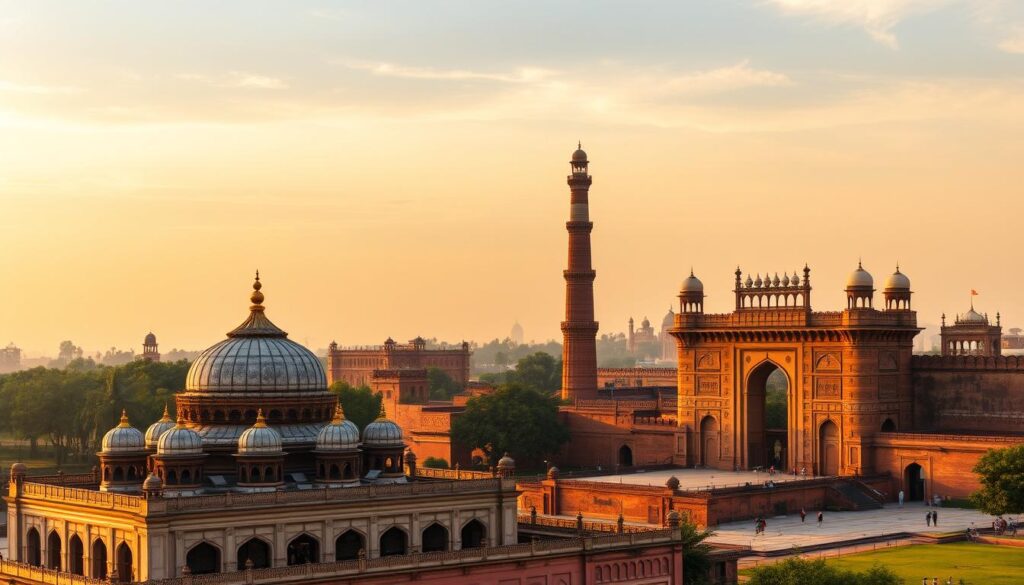
The strategic location of Delhi in northern India made it a coveted prize for numerous empires, resulting in a unique blend of architectural styles and cultural influences from the Rajputs, Mughals, British, and post-independence India. This blend is evident in the various places throughout the city, showcasing a mix of heritage and history.
- Delhi’s historical significance is recognized globally, with three UNESCO World Heritage sites (Red Fort, Humayun’s Tomb, and Qutub Minar) located within its boundaries.
- Understanding Delhi’s layered history provides essential context for appreciating the monuments and places you’ll visit throughout the city.
- The city’s historical evolution continues to influence its modern layout, with Old Delhi (centered around Shahjahanabad) contrasting dramatically with the planned elegance of New Delhi (designed by Edwin Lutyens during British rule).
Archaeological excavations continue to uncover new aspects of Delhi’s ancient past, with some structures dating back to the 3rd century BCE. This ongoing discovery process highlights the complexity and richness of Delhi’s history, making it a city that is both a living museum and a vibrant, modern capital.
Delhi’s rich heritage is not just confined to its ancient structures; it’s also reflected in its vibrant culture and daily life. From the bustling markets of Chandni Chowk to the serene beauty of its historical gardens, Delhi offers a myriad of experiences that cater to all kinds of interests.
Red Fort: The Magnificent Mughal Legacy
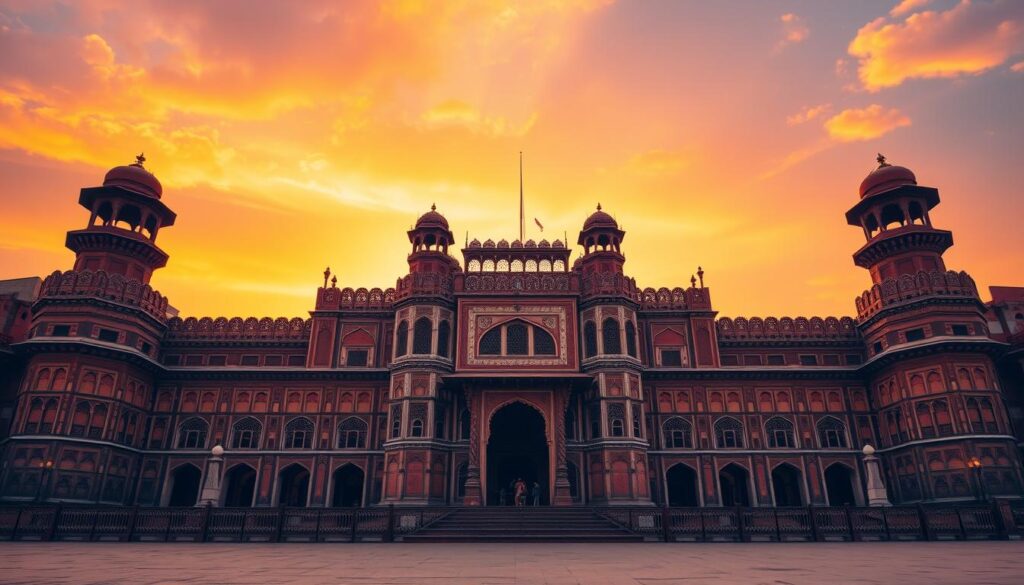
Delhi’s Red Fort, commissioned by Emperor Shah Jahan, is an epitome of Mughal legacy and architectural excellence. This imposing red sandstone fortress, also known as Lal Qila, served as the main residence of the Mughal emperors for nearly two centuries. The Red Fort stands as a UNESCO World Heritage site and is a symbol of India’s sovereignty.
The fort’s architectural brilliance showcases a perfect blend of Persian, Timurid, and Indian styles, with detailed marble inlays, floral patterns, and calligraphy adorning its walls and ceilings. Visitors can explore magnificent structures within the fort complex, including the Diwan-i-Aam (Hall of Public Audience), Diwan-i-Khas (Hall of Private Audience), Rang Mahal (Palace of Colors), and the intricate Moti Masjid (Pearl Mosque).
A highlight of any visit to the Red Fort is the evening sound and light show (Jai Hind) that dramatically narrates the fort’s history and Delhi’s evolution through the centuries. This experience is a must for anyone looking to delve deeper into the history and culture of Delhi.
Practical visitor information includes operating hours (9:30 AM to 4:30 PM, closed Mondays), entry fees (₹35 for Indians, ₹500 for foreigners), and the recommendation to allow at least 2-3 hours to fully appreciate this magnificent historical treasure. The Red Fort continues to hold immense national significance as the site where the Prime Minister hoists the Indian flag and addresses the nation every Independence Day (August 15).
When planning your tour to the Red Fort, consider visiting the nearby places such as Chandni Chowk, a historic market that offers a glimpse into old Delhi’s vibrant culture. The Red Fort is one of the best places to visit in Delhi, offering an unparalleled experience of Mughal architecture and a chance to explore a significant site in India’s capital.
Qutub Minar: A Towering Testament to Delhi’s Past
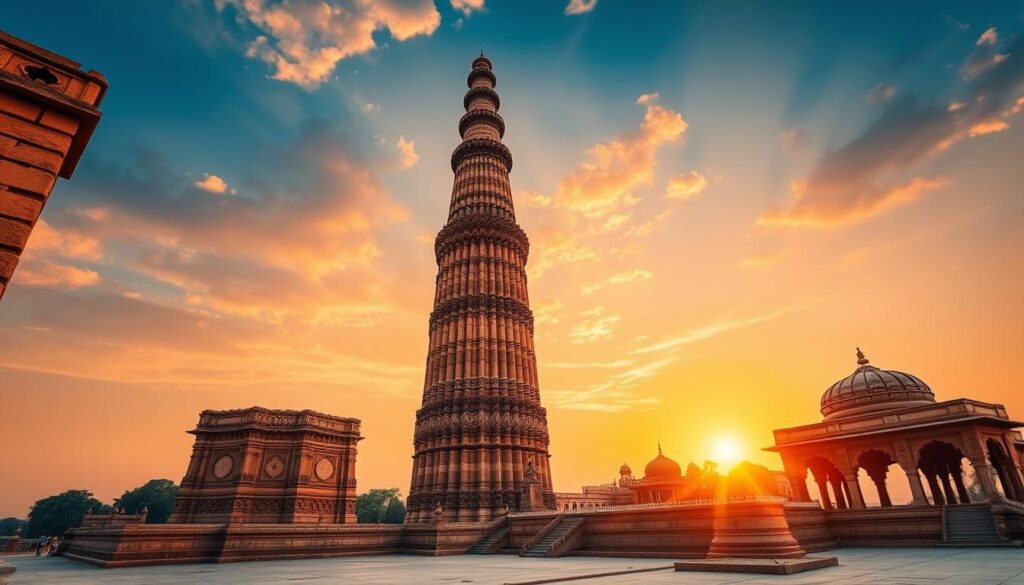
The Qutub Minar stands tall as a testament to Delhi’s rich history and architectural prowess. This 73-meter tall minaret is part of the Qutub complex, a UNESCO World Heritage site that attracts visitors from all over the world.
As one of the best places to visit in Delhi, the Qutub Minar is a significant monument that showcases the city’s rich cultural heritage. Initiated by Qutb-ud-din Aibak in 1192, this five-story tower is adorned with intricate carvings and verses from the Quran, symbolizing the victory of Muslim rule in India.
The Qutub Minar is an exemplary model of architecture, blending Islamic, Afghan, and Indian influences. Its tapering design, with a diameter of 14.3 meters at the base narrowing to 2.7 meters at the top, is a marvel of engineering. Visitors can appreciate the grandeur of this place from the surrounding complex, even though climbing the 379 steps is no longer permitted for safety reasons.
The Qutub complex is not just about the Qutub Minar; it’s a place where history buffs can explore other significant structures. These include the rust-resistant Iron Pillar, dating back to the 4th century, the Quwwat-ul-Islam Mosque (Delhi’s first mosque), Alai Darwaza, and several tombs. Each of these structures adds to the historical significance of the complex, making it one of the top places visit during your trip to Delhi.
For photography enthusiasts, the Qutub Minar is particularly stunning at sunset when the red sandstone glows in the golden light. It’s an ideal time to capture the beauty of this historical monument. The complex, being a world heritage site, is well-maintained, providing a serene environment for visitors to soak in the history and architecture.
In conclusion, the Qutub Minar is a must-visit place in Delhi, offering a glimpse into the city’s rich history and cultural heritage. As part of the Qutub complex, a UNESCO world heritage site, it stands as a testament to the architectural prowess of the era, making it one of the best places to experience Delhi’s historical tapestry.
Humayun’s Tomb: Precursor to the Taj Mahal
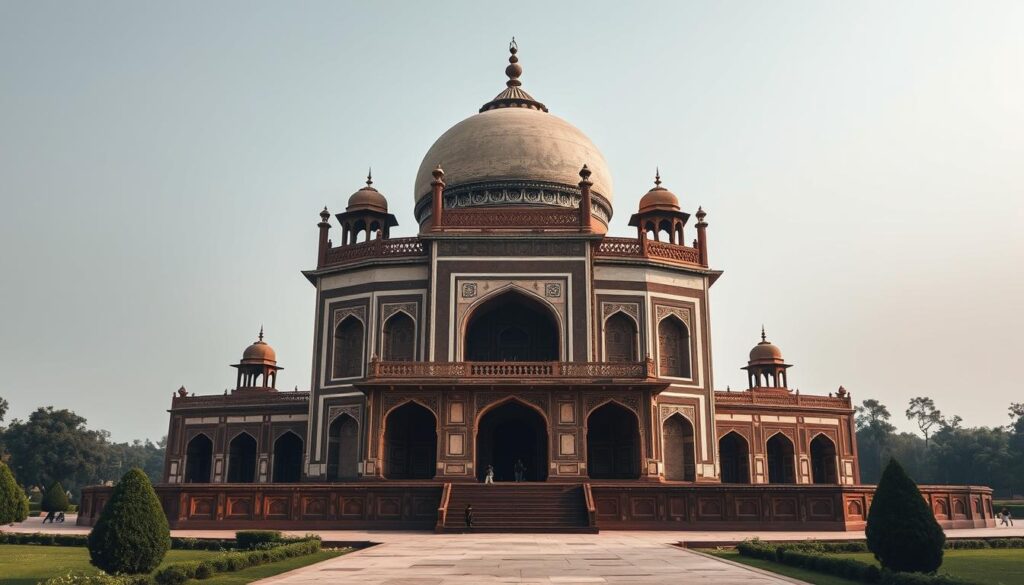
As the first garden-tomb on the Indian subcontinent, Humayun’s Tomb is an architectural masterpiece that inspired the Taj Mahal. Built in 1570 by Empress Bega Begum, the widow of Mughal Emperor Humayun, this UNESCO World Heritage site is a testament to the rich history and cultural heritage of Delhi.
Humayun’s Tomb represents the perfect blend of Persian and Indian architectural traditions. The magnificent red sandstone structure features a distinctive double dome, intricate inlay work, and is set within a meticulously planned Charbagh garden, symbolizing the Garden of Paradise.
The tomb complex is not just about the main mausoleum; it houses numerous smaller monuments, including the tomb of Humayun’s favorite barber (Nai-ka-Gumbad), the Bu Halima Garden, and Isa Khan’s tomb and mosque. These additional structures provide a deeper insight into the Mughal era’s architectural and cultural practices.
The site underwent extensive restoration in the early 2000s, returning the gardens and waterways to their original glory. This restoration made Humayun’s Tomb one of the best-preserved Mughal monuments in Delhi, offering visitors a serene and peaceful retreat from the bustling city.
Architectural highlights of Humayun’s Tomb include its perfect symmetry, the contrast of white marble inlay against red sandstone, and the octagonal chambers housing the cenotaphs of Humayun and his wife. The Charbagh garden, with its water channels representing the four rivers of Paradise, adds to the site’s beauty and historical significance.
Visiting Humayun’s Tomb is a must when exploring the historical places in Delhi. It stands as a significant monument that showcases the city’s rich cultural heritage and is a prime example of Mughal architecture. The site is open to visitors throughout the year, making it one of the best places to visit in Delhi for history enthusiasts and architecture lovers alike.
In conclusion, Humayun’s Tomb is not just a monument; it is a journey through time, offering insights into the Mughal era’s architectural innovations, cultural practices, and historical significance. As a UNESCO World Heritage site, it is a place that deserves to be visited and appreciated for its beauty and historical importance.
India Gate and Rashtrapati Bhavan: Colonial Grandeur
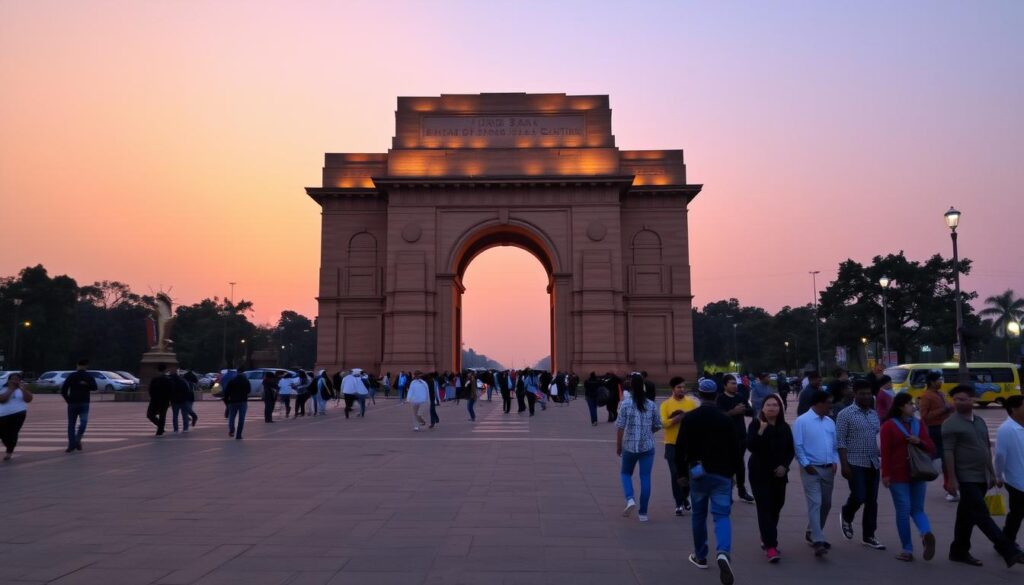
India Gate and Rashtrapati Bhavan, two of Delhi’s most iconic landmarks, epitomize the city’s colonial grandeur. These structures not only reflect the architectural prowess of the British era but also stand as significant historical monuments that attract visitors from all over the world.
The India Gate, a 42-meter high archway, was designed by Sir Edwin Lutyens and completed in 1931. It serves as a war memorial, honoring the 70,000 Indian soldiers who lost their lives during World War I. The imposing arch, inspired by the Arc de Triomphe in Paris, features the names of over 13,500 soldiers inscribed on its walls and houses the Amar Jawan Jyoti (Flame of the Immortal Soldier) that burns continuously in honor of India’s fallen heroes.
Visitors can enjoy the expansive lawns surrounding India Gate at any time of day. However, evenings are particularly magical when the monument is illuminated, and locals gather for picnics, ice cream from street vendors, and boating in the nearby canals. This makes India Gate one of the top places to visit in Delhi for both locals and tourists.
The grand Rajpath (now Kartavya Path) boulevard stretches from India Gate to Rashtrapati Bhavan, creating one of the most impressive ceremonial routes in the world. This boulevard serves as the venue for the annual Republic Day parade on January 26th, showcasing India’s military might and cultural diversity.
Rashtrapati Bhavan, the official residence of India’s President, represents the pinnacle of colonial architecture with its blend of classical European styles with distinctive Indian elements. Featuring 340 rooms across a 330-acre estate, it is a must-visit place in Delhi for anyone interested in history and architecture.
The Mughal Gardens (now Amrit Udyan) within the Presidential Estate are open to the public during specific periods (typically February-March). These gardens showcase meticulously maintained flowerbeds, fountains, and terraced lawns, making them a popular tour destination within the city.
Both monuments, India Gate and Rashtrapati Bhavan, exemplify the architectural vision of New Delhi as planned by Edwin Lutyens and Herbert Baker during the British colonial period. They create a dramatic contrast to the Mughal architecture found in Old Delhi, highlighting the diverse historical layers of the city.
When planning your visit to these places, it’s advisable to allocate a significant amount of time to explore the surroundings, including the nearby canals and the expansive lawns. This will enhance your overall experience, making your tour of Delhi truly memorable.
Jama Masjid: The Heart of Old Delhi’s Spiritual Life
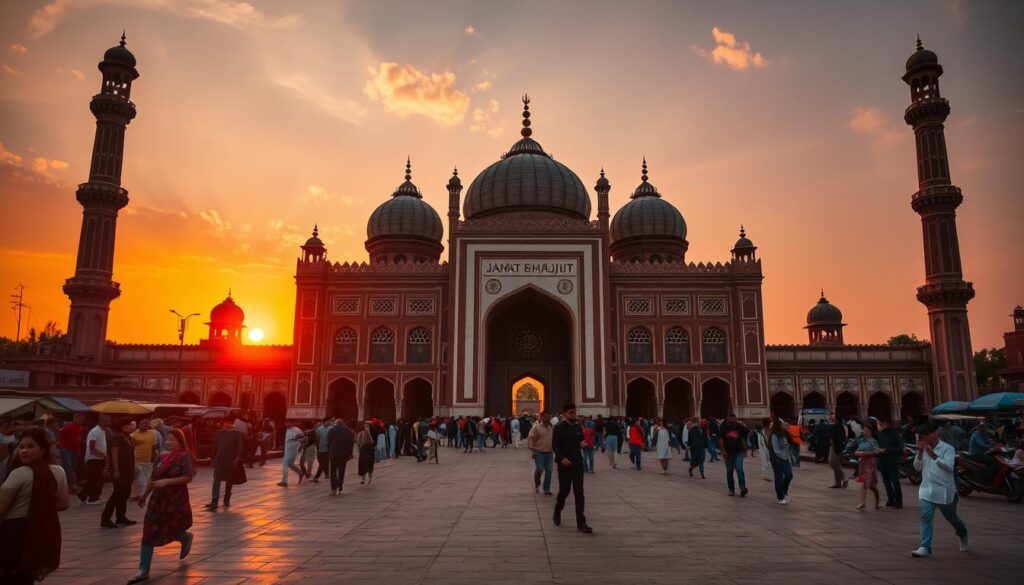
Jama Masjid, a majestic monument in the heart of Old Delhi, is a testament to the city’s rich spiritual heritage. Commissioned by Emperor Shah Jahan between 1650 and 1656, this magnificent mosque is one of India’s largest, capable of accommodating 25,000 devotees in its vast courtyard.
The Jama Masjid is an exemplary model of Mughal architecture, featuring three grand gates, four towering minarets, and a stunning combination of red sandstone and white marble. Visitors can climb the southern minaret for a small fee to enjoy panoramic views of Old Delhi, taking in the labyrinthine streets of Chandni Chowk, the Red Fort, and the modern city skyline.
As an active place of worship, Jama Masjid offers travelers a glimpse into the spiritual life of Delhi’s Muslim community, particularly during prayer times and special occasions like Eid. The mosque’s courtyard features a central ablution pool where worshippers perform wudu (ritual cleansing) before prayers, adding to the authentic cultural experience for respectful visitors.
When visiting Jama Masjid, it’s essential to dress modestly, covering shoulders and knees, and remove shoes before entering. Women may be required to wear provided robes available at the entrance. This place is not just a tourist attraction but a significant religious site, and visitors are expected to respect the local customs and traditions.
The area surrounding Jama Masjid is famous for its street food, particularly in the nearby lanes of Chandni Chowk, making it possible to combine cultural exploration with culinary adventures in Old Delhi. Visitors can explore the various places to visit around Jama Masjid, including the Red Fort and other historical landmarks.
In conclusion, Jama Masjid is a must-visit place in Delhi, offering a unique blend of spirituality, history, and culture. As one of the city’s most significant landmarks, it attracts people from all over the world, providing a glimpse into the city’s rich heritage and the architecture of the Mughal era.
Lotus Temple: Modern Architectural Marvel
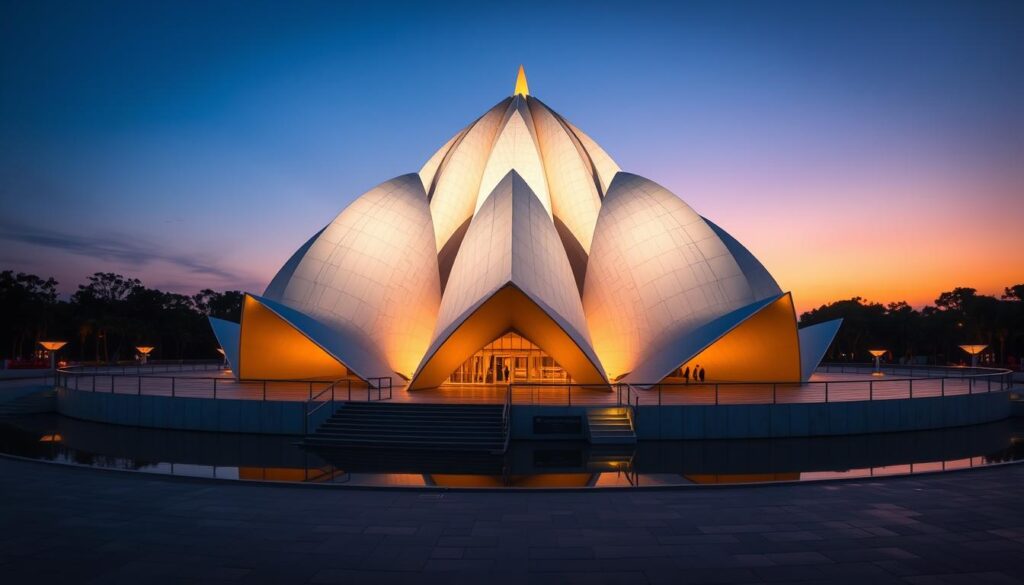
As a symbol of unity and peace, the Lotus Temple has become an iconic representation of Delhi’s contemporary architectural scene. This magnificent structure, also known as the Bahá’í House of Worship, is one of the most distinctive places to visit in Delhi, attracting over four million visitors annually.
The Lotus Temple’s design is a marvel of modern architecture, comprising 27 free-standing marble petals arranged in clusters of three to form nine sides. This unique design adheres to the Bahá’í belief in the unity of all religions, making it a significant place for meditation and prayer open to people of all faiths.
Completed in 1986 and designed by Iranian-American architect Fariborz Sahba, the temple’s pristine white marble structure is surrounded by nine pools and gardens, enhancing its lotus-like appearance, particularly beautiful when illuminated at dusk. The Lotus Temple is not just a religious site but a prominent place in the heart of the city, symbolizing harmony and peace.
Unlike traditional religious buildings, the Lotus Temple contains no statues, pictures, or religious symbols inside its central hall, creating a minimalist space dedicated to silent meditation and prayer. Visitors are welcome to attend the prayer services held four times daily, which include readings from various religious texts reflecting the Bahá’í principle of religious unity.
The Lotus Temple has received numerous architectural awards and has been featured in hundreds of newspaper and magazine articles, making it one of the most photographed buildings in India and a must-visit place for architecture enthusiasts. When planning your places to visit in Delhi, the Lotus Temple is undoubtedly one of the top places to include in your itinerary.
In conclusion, the Lotus Temple is a shining example of modern architecture in Delhi, promoting unity and peace among people from all walks of life. Its serene ambiance and beautiful design make it a perfect place for reflection and meditation, making it an essential visit for anyone traveling to this vibrant city.
Akshardham Temple: Showcasing India’s Ancient Heritage
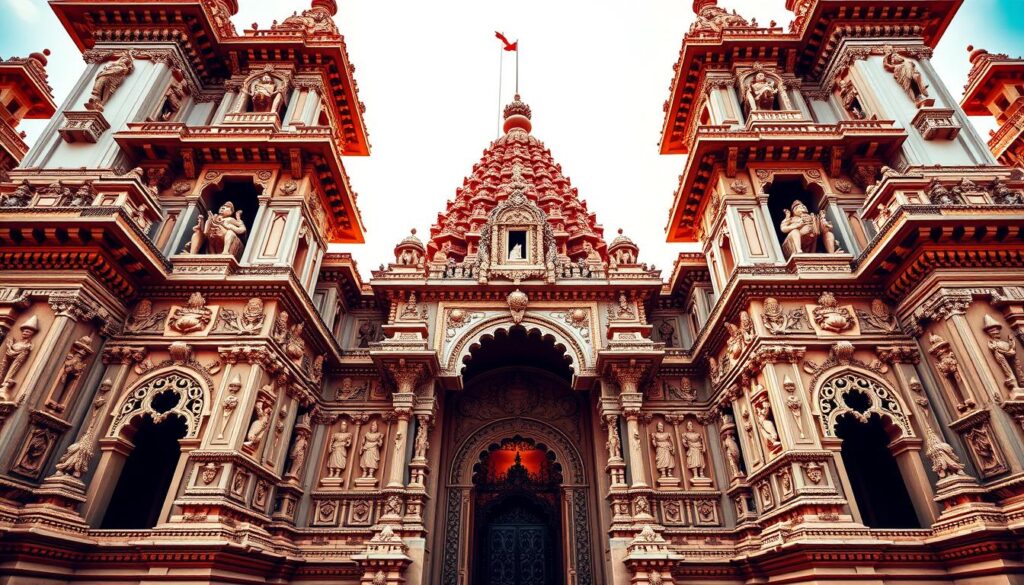
The Akshardham Temple complex is a sprawling monument that embodies the essence of India’s ancient art, culture, and spirituality. Inaugurated in 2005, this magnificent structure has become a significant cultural attraction in Delhi, drawing millions of visitors each year.
The central monument, made of pink sandstone and white marble, features intricately carved statues of deities, flora, and fauna, showcasing the rich heritage of India. With 234 ornately carved pillars and 9 elaborate domes, the temple is an architectural marvel. The complex is home to over 20,000 statues of deities and depictions of various cultural motifs.
Visitors to Akshardham Temple can enjoy a comprehensive cultural experience through various exhibitions and attractions. “Sahajanand Darshan” (Hall of Values) and “Sanskruti Vihar” (a boat ride through 10,000 years of Indian history) are two of the prominent exhibitions that provide insights into India’s rich cultural past.
One of the highlights of the visit is the evening water show “Sahaj Anand,” which uses a combination of lasers, underwater flames, projections, and water jets to depict spiritual concepts from ancient Hindu texts. This mesmerizing spectacle is a must-experience for anyone visiting the temple.
Akshardham Temple holds the Guinness World Record for being the largest comprehensive Hindu temple in the world. The entire complex has been built according to ancient Vedic architectural principles, making it a unique place of worship and cultural exploration. Spread over 100 acres, it is one of the most visited places in the city, attracting people from all walks of life.
Interestingly, photography is strictly prohibited inside the complex, encouraging visitors to fully immerse themselves in the spiritual and cultural experience rather than viewing it through a camera lens. The temple complex represents a remarkable feat of construction, having been completed in just five years through the efforts of 11,000 artisans and volunteers.
Akshardham Temple is not just a religious site; it’s a vibrant attraction that showcases the best of India’s cultural and spiritual traditions. Whether you’re interested in history, architecture, or spirituality, this place has something to offer, making it a must-visit destination in Delhi.
BEST Places to Visit in Delhi for Market Exploration
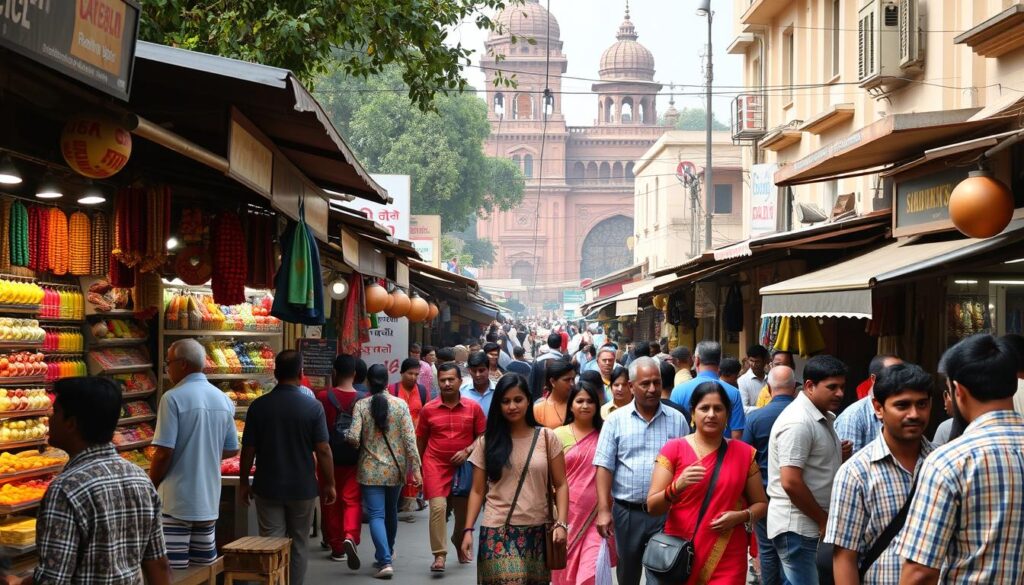
Delhi, a city rich in history and culture, is also a shopper’s paradise with its diverse markets offering a wide range of products. From traditional bazaars to modern malls, Delhi’s markets cater to all kinds of shoppers, providing an exciting experience.
One of the most iconic markets in Delhi is Chandni Chowk, established in the 17th century by Mughal Emperor Shah Jahan. This bustling bazaar offers a sensory overload with its narrow lanes filled with shops selling spices, jewelry, textiles, and street food. It’s a paradise for shoppers and food enthusiasts looking to experience the authentic flavors of Delhi.
Within Chandni Chowk, there are several specialized markets, including Khari Baoli, Asia’s largest spice market, Dariba Kalan for silver jewelry, Kinari Bazaar for wedding accessories, Nai Sarak for books, and Paranthe Wali Gali famous for its stuffed flatbreads. Each of these markets provides a unique shopping experience.
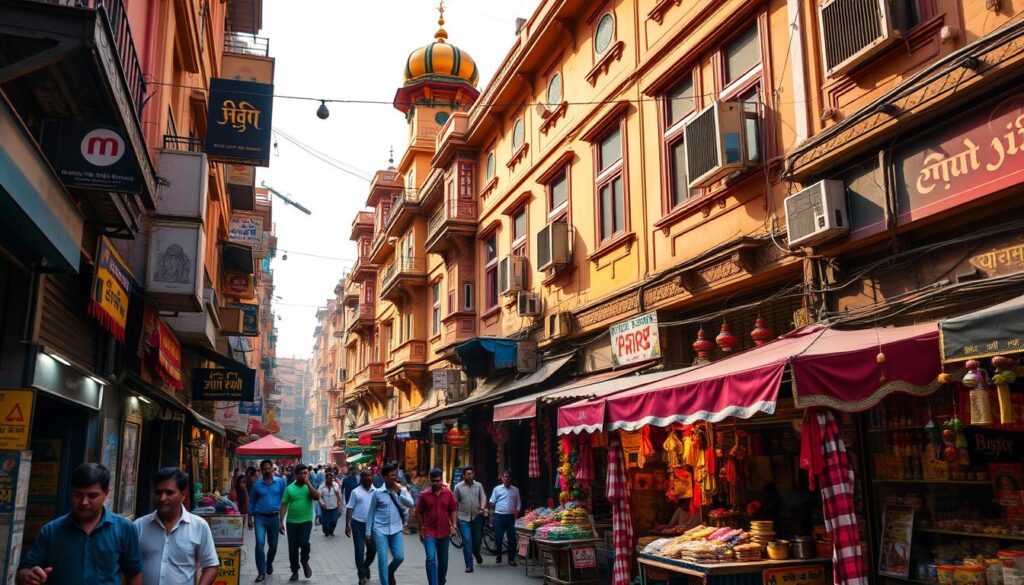
Another popular destination is Dilli Haat, an open-air craft market designed like a traditional village fair. It brings together artisans from across India’s diverse states, offering handloom textiles, handicrafts, and regional cuisines in a more organized setting than Old Delhi’s bazaars.
Khan Market is consistently ranked among Asia’s most expensive retail locations, catering to upscale shoppers with its boutique stores, international brands, bookshops, and trendy cafes and restaurants.
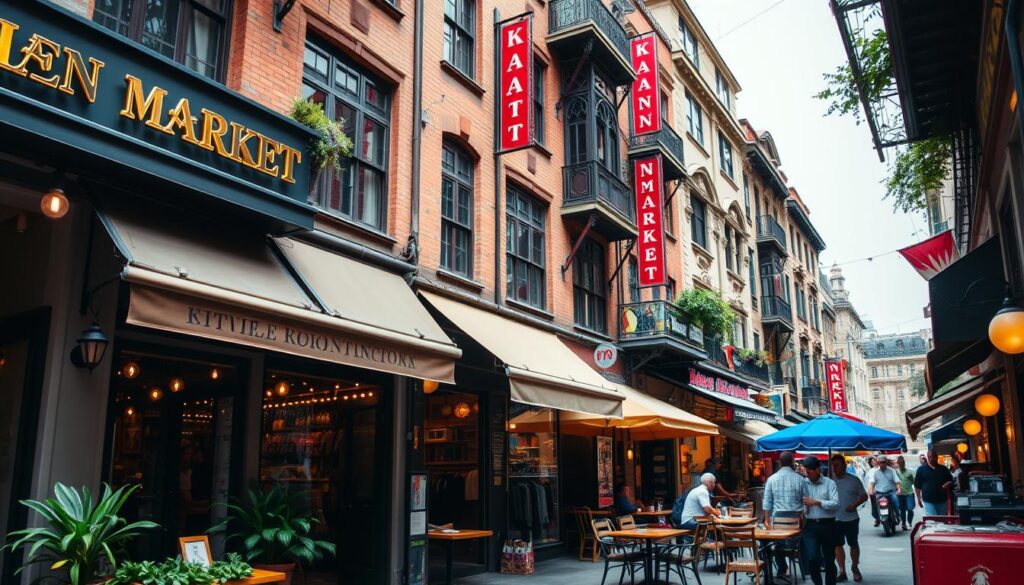
For those looking for bargains, Sarojini Nagar Market attracts bargain hunters with its export surplus clothing and accessories. Skilled negotiation can secure designer-inspired fashion at a fraction of mall prices.
Janpath and Tibetan Market near Connaught Place offer a treasure trove of handicrafts, jewelry, clothing, and souvenirs, particularly popular for colorful textiles, Himalayan artifacts, and bohemian fashion.

For a modern shopping experience, select malls like DLF Emporio (luxury brands), Select Citywalk, and Pacific Mall provide air-conditioned comfort alongside international and Indian retail brands, entertainment options, and diverse dining experiences.

In conclusion, Delhi’s markets offer a diverse shopping experience, ranging from traditional bazaars to modern malls. Whether you’re looking for handicrafts, textiles, or high-end fashion, Delhi has something for everyone.
Hauz Khas Complex: Where History Meets Contemporary Culture
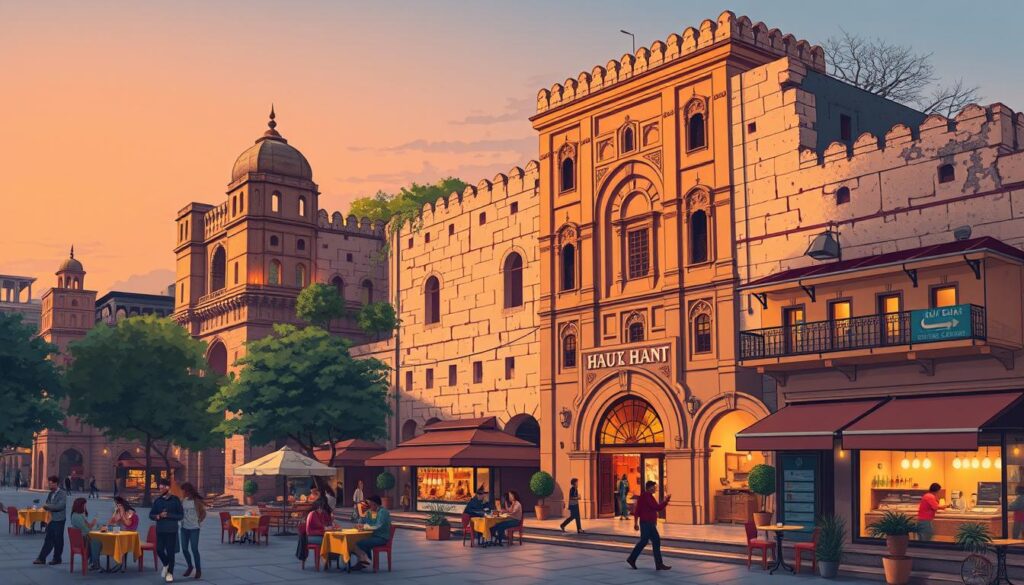
Hauz Khas is where the ancient and the modern converge, creating a distinctive cultural experience. This vibrant neighborhood in Delhi is a testament to the city’s rich heritage, where historical landmarks coexist with contemporary lifestyle.
The Hauz Khas Complex is a fascinating juxtaposition of 13th-century ruins alongside one of Delhi’s trendiest neighborhoods. The historical complex features the remnants of a madrasa, Firoz Shah’s tomb, a mosque, and a large water reservoir, all dating back to the medieval Khilji and Tughlaq dynasties. Visitors can explore these heritage sites and experience the ruins up close.
Surrounding the ancient ruins, Hauz Khas Village has evolved into a bohemian enclave filled with designer boutiques, art galleries, upscale restaurants, and rooftop cafes that offer stunning views of the adjacent Deer Park and lake. This area is one of the best places to visit in Delhi for those looking to experience both history and modern culture.
The area’s transformation from a sleepy urban village to a cultural hotspot began in the 1980s when designers and artists started establishing studios here. Today, it’s one of the most distinctive creative districts in the city, attracting people from all over.
Visitors can experience both aspects of Hauz Khas in a single day – exploring the serene archaeological park in the morning and enjoying the vibrant social scene in the evening when the restaurants and bars come alive. The complex’s architecture showcases the Indo-Islamic style with domes, arches, and intricate stone carvings, while the surrounding village offers contemporary fashion, handicrafts, and modern Indian design.
The adjacent Deer Park provides a green retreat with walking paths, a duck pond, and a designated area where visitors can observe spotted deer in a semi-natural habitat. It’s a great place to relax and enjoy nature, making Hauz Khas one of the top places to visit in Delhi.
Whether you’re interested in history, culture, or simply enjoying the nightlife, Hauz Khas Complex has something to offer. It’s a unique experience that blends the old with the new, creating a truly memorable visit to this part of Delhi.
Lodhi Gardens: Historical Monuments in Serene Settings
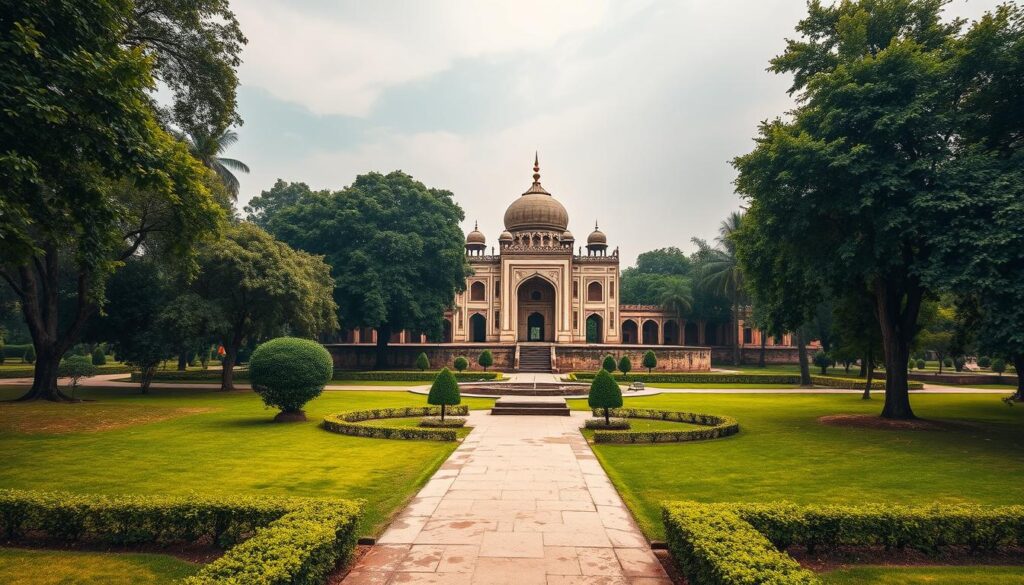
In the midst of Delhi’s bustling landscape, Lodhi Gardens stands as a testament to the city’s rich historical heritage. Spread over 90 acres, this serene escape is dotted with historical tombs and structures from the Lodi and Sayyid dynasties, making it a perfect place to visit for those who appreciate history, nature, and culture.
Lodhi Gardens is not just a historical site; it’s an experience that combines the beauty of nature with the richness of historical monuments. The gardens are meticulously landscaped, offering a tranquil atmosphere that attracts people from all walks of life. Visitors can enjoy morning walks, yoga sessions, and picnics amidst the lush greenery and significant architectural treasures.
The gardens house impressive tombs and structures from the 15th and 16th centuries, including the tombs of Muhammad Shah Sayyid and Sikander Lodhi, as well as Shisha Gumbad and Bara Gumbad. These monuments showcase pre-Mughal Islamic architecture, with features like octagonal chambers, domes, mihrab (prayer niches), and intricate lattice work, providing a glimpse into the architectural evolution that preceded the grand Mughal style.
Originally created by the British in 1936 as Lady Willingdon Park, Lodhi Gardens was redesigned after independence by American landscape architect Joseph Allen Stein. Stein’s design created harmonious surroundings for the ancient monuments, blending the historical with the natural beauty of the gardens. The park’s diverse ecosystem includes over 100 native tree species, making it a haven for birdwatchers who can spot a variety of birds, including kingfishers, parakeets, and hornbills.
Morning visitors to Lodhi Gardens can observe Delhi’s wellness culture in action, with locals practicing yoga, meditation, and tai chi, or joining walking and jogging groups that regularly use the garden’s pathways. This blend of historical exploration and contemporary culture makes Lodhi Gardens one of the best places to visit in Delhi for a unique experience.
The central location of Lodhi Gardens in the prestigious Lodhi Estate area makes it easily accessible and a perfect retreat from the urban chaos. The nearby Lodhi Colony Art District offers additional cultural exploration opportunities, making the area a hub for those seeking to experience the city, its people, and its rich heritage.
In conclusion, Lodhi Gardens is a must-visit destination for anyone looking to experience the historical and cultural richness of Delhi. With its serene settings, historical monuments, and natural beauty, it stands out as one of the top places to visit in the city, offering something for everyone – history enthusiasts, nature lovers, and those seeking a tranquil escape from the city’s bustle.
National Museum and National Gallery of Modern Art: Cultural Treasures
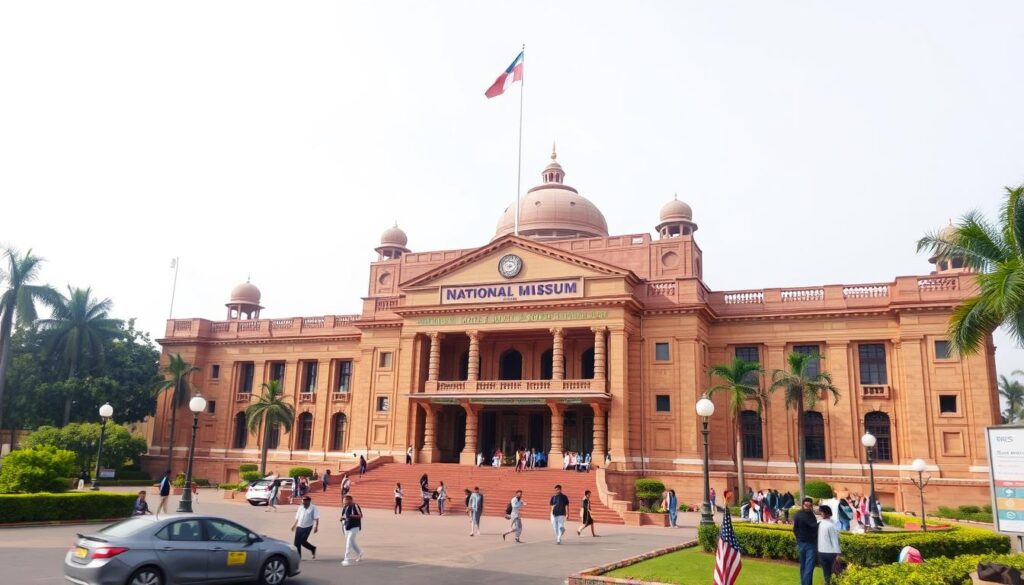
The National Museum, established in 1949, is a repository of India’s cultural history, featuring relics from various periods. As one of the largest museums in India, it houses over 200,000 artifacts that span 5,000 years of Indian cultural history, making it an essential visit for anyone interested in the country’s rich heritage.
The museum’s extensive collection includes archaeological treasures from the Indus Valley Civilization, Buddhist art from Gandhara, exquisite Mughal miniature paintings, ancient sculptures, decorative arts, manuscripts, weapons, and ethnographic exhibits from various regions of India. Visitors can explore the diverse cultural heritage of India through these artifacts.
Some of the highlights of the National Museum include the Dancing Girl bronze figurine from Mohenjo-daro, the sacred relics of Buddha from Piprahwa, the iconic Nataraja bronze sculpture, and the controversial Egyptian mummy that draws crowds of curious visitors. These artifacts provide a glimpse into India’s rich cultural past and are a must-see for anyone visiting the city.
Just a short distance away, the National Gallery of Modern Art (NGMA) occupies the magnificent Jaipur House near India Gate, showcasing the evolution of modern Indian art from the 1850s to contemporary times. The NGMA’s collection features works by pioneering Indian artists such as Raja Ravi Varma, Amrita Sher-Gil, Jamini Roy, M.F. Husain, and international modernists, displayed across chronologically arranged galleries that tell the story of India’s artistic development.
Both the National Museum and the NGMA offer educational programs, guided tours, temporary exhibitions, and workshops that make art and history accessible to visitors of all ages and backgrounds. For art enthusiasts, these two institutions can be complemented by visits to nearby private galleries in areas like Lado Sarai, Shahpur Jat, and Mehrauli, which showcase contemporary Indian art and emerging artists.
When planning your visit to these cultural treasures, consider exploring the surrounding areas, which offer a glimpse into Delhi’s rich cultural landscape. The National Museum and NGMA are among the best places to visit in Delhi for those interested in history, art, and culture.
In conclusion, the National Museum and National Gallery of Modern Art are essential destinations for anyone looking to experience the rich cultural heritage of India. With their extensive collections and engaging programs, they provide a unique insight into the country’s heritage and art.
Purana Qila and Jantar Mantar: Lesser-Known Historical Gems
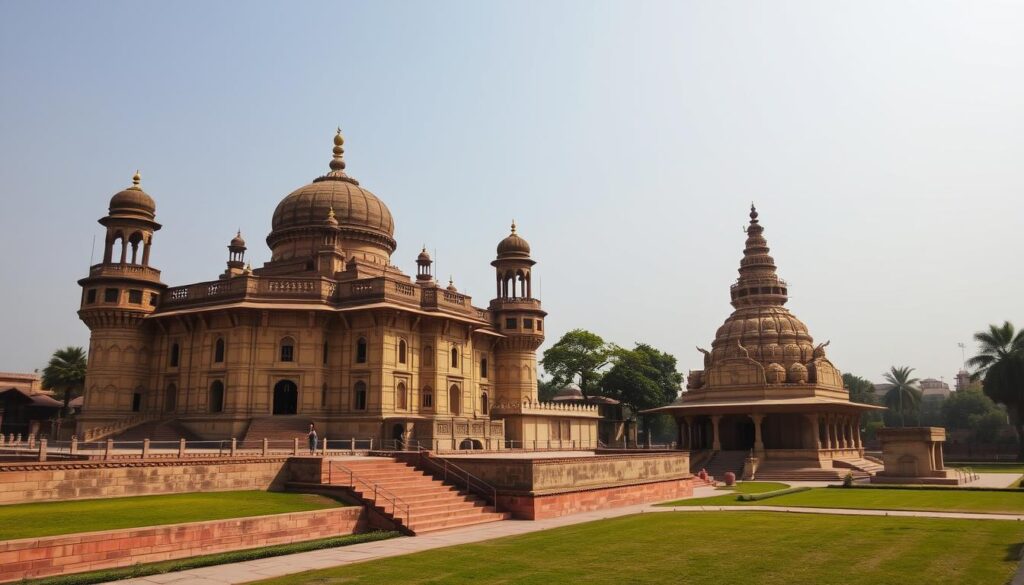
While many flock to Delhi’s more famous monuments, the lesser-known historical gems like Purana Qila and Jantar Mantar offer a unique glimpse into the city’s rich past. These sites, though often overshadowed, are must-visit places for anyone interested in history and astronomy, providing a fascinating journey through Delhi’s architectural and scientific achievements.
Purana Qila, or Old Fort, is one of Delhi’s oldest forts, with its origins tracing back to the 16th century. Built by Mughal Emperor Humayun and later expanded by Sher Shah Suri, this fort showcases a blend of Mughal and Afghan architecture. The massive gateways, the Qila-i-Kuhna Mosque, and the Sher Mandal are notable structures within the fort.
The fort’s current structure, built primarily by Sher Shah Suri after he defeated Mughal emperor Humayun, features massive 60-foot high walls and three impressive gateways: Humayun Darwaza, Talaqi Darwaza, and Bara Darwaza. The architectural elements blend Afghan and Hindu styles, making it a unique place to explore Delhi’s historical history.
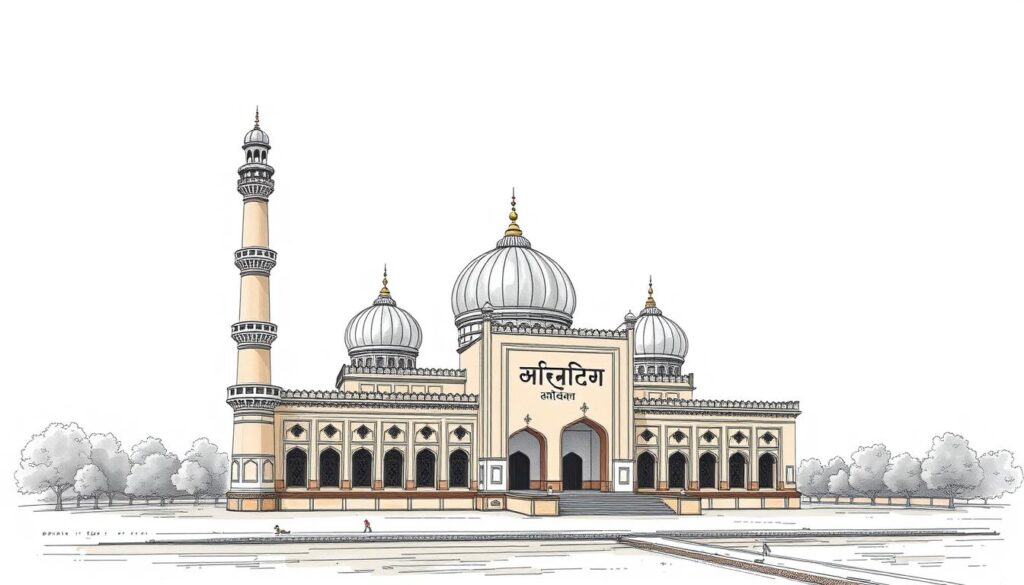
Key attractions within Purana Qila include the Qila-i-Kuhna Mosque with its distinctive five-arched façade and the three-story octagonal tower of Sher Mandal, where Emperor Humayun fatally fell down the stairs. The fort’s archaeological museum offers insights into Delhi’s ancient history, displaying artifacts excavated from the site.
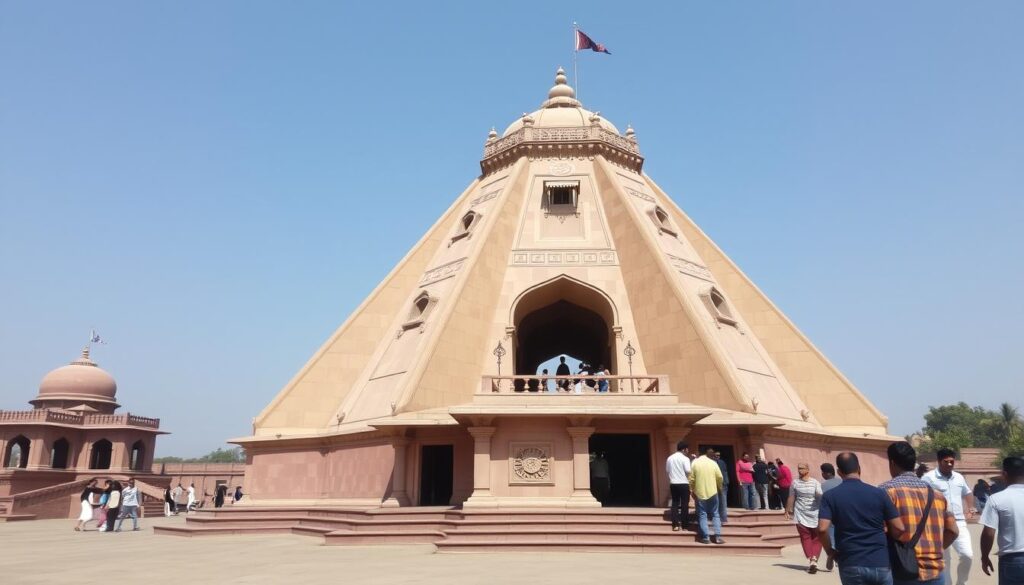
Jantar Mantar, constructed in 1724 by Maharaja Jai Singh II of Jaipur, consists of 13 architectural astronomical instruments designed to observe celestial positions, predict eclipses, and track star locations with remarkable accuracy. The observatory’s main instruments include the Samrat Yantra, a giant triangular gnomon that functions as a sundial, the Jai Prakash, a concave hemisphere that maps the celestial sphere, and the Misra Yantra, a device that can determine the shortest and longest days of the year.
Despite being overshadowed by more famous monuments, these sites offer visitors a deeper understanding of Delhi’s scientific and architectural achievements. With fewer tourists, they allow for a more contemplative exploration experience. Both sites are conveniently located – Purana Qila near the Delhi Zoo and National Science Centre, and Jantar Mantar in the heart of Connaught Place – making them easy additions to a Delhi sightseeing tour itinerary.
In conclusion, Purana Qila and Jantar Mantar are among the best places to visit in Delhi for those interested in exploring the city’s lesser-known historical gems. They not only provide a glimpse into Delhi’s rich past but also highlight the city’s architectural and scientific prowess, making them must-visit attractions in the city.
Delhi’s Religious Diversity: Gurudwara Bangla Sahib and Other Sacred Sites
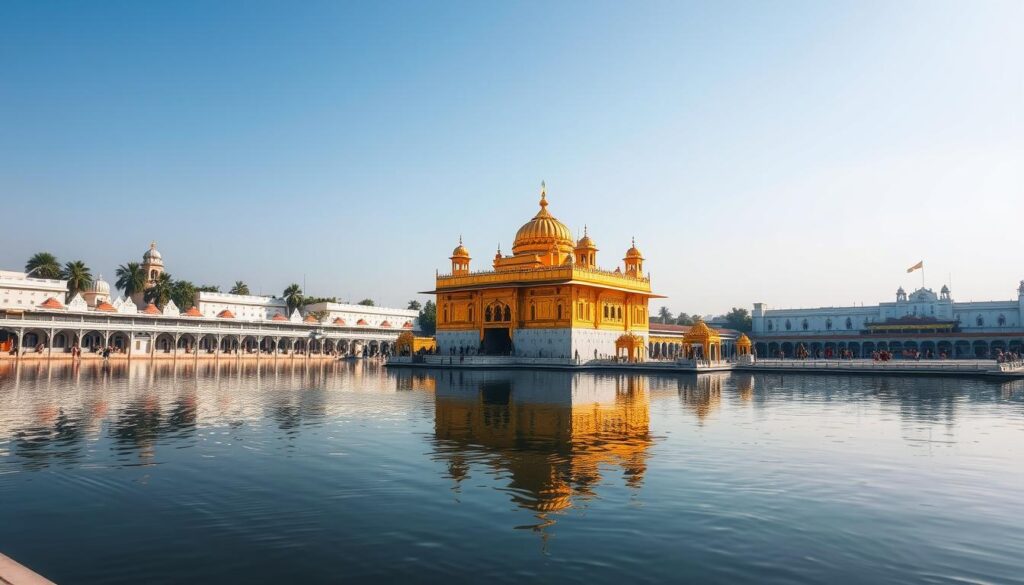
The religious diversity of Delhi is exemplified through its many sacred sites, including the revered Gurudwara Bangla Sahib. This prominent Sikh temple is known for its stunning golden dome and serene Sarovar (holy pond), embodying the Sikh principles of service and equality through its community kitchen, or langar, which serves free meals to all visitors.
Gurudwara Bangla Sahib, with its white marble exterior and golden domes, was originally a palace belonging to Raja Jai Singh before being converted to commemorate the visit of the eighth Sikh Guru, Guru Har Krishan. The gurudwara complex features a sacred sarovar whose water is believed to have healing properties, a magnificent main prayer hall with continuous kirtan (devotional singing), and a massive langar that serves free meals to over 10,000 people daily, regardless of their religion, caste, or background.
Delhi’s religious landscape extends far beyond Gurudwara Bangla Sahib, encompassing significant sites such as the Laxminarayan Temple (Birla Mandir), which showcases a blend of traditional and modern architectural elements. The serene ISKCON Temple, dedicated to Lord Krishna, is another must-visit place, offering a tranquil atmosphere amidst the bustling city.
The Sacred Heart Cathedral in Connaught Place represents Delhi’s Christian heritage with its Renaissance-inspired architecture. Meanwhile, the Judah Hyam Synagogue serves the small Jewish community and welcomes visitors interested in learning about Judaism, highlighting the city’s inclusive and diverse religious fabric.
For those interested in exploring Delhi’s Sufi traditions, the Nizamuddin Dargah is a must-visit site. This marble shrine, dedicated to the 13th-century Sufi saint Nizamuddin Auliya, hosts qawwali (devotional music) sessions every Thursday evening, creating a soulful and spiritual ambiance.
These diverse religious sites not only showcase Delhi’s multicultural identity but also offer visitors insights into different spiritual practices, architectural styles, and community service traditions. When visiting these sacred places, it is essential to behave respectfully, such as covering heads at Sikh gurudwaras and removing shoes at all religious sites, making these spiritual centers accessible stops on any Delhi tour or Golden Triangle tour itinerary.
Visiting these places allows one to experience the rich tapestry of Delhi’s religious diversity firsthand. From the Jama Masjid, one of the largest mosques in India, to the numerous smaller temples and shrines scattered throughout the city, each site provides a unique glimpse into the spiritual lives of Delhi’s people.
In conclusion, Delhi’s religious diversity is a testament to the city’s status as a melting pot of cultures and faiths. By visiting sites like Gurudwara Bangla Sahib, Laxminarayan Temple, and Nizamuddin Dargah, visitors can gain a deeper understanding of the city’s spiritual landscape and the values that unite its people.
Culinary Journey Through Delhi’s Food Culture
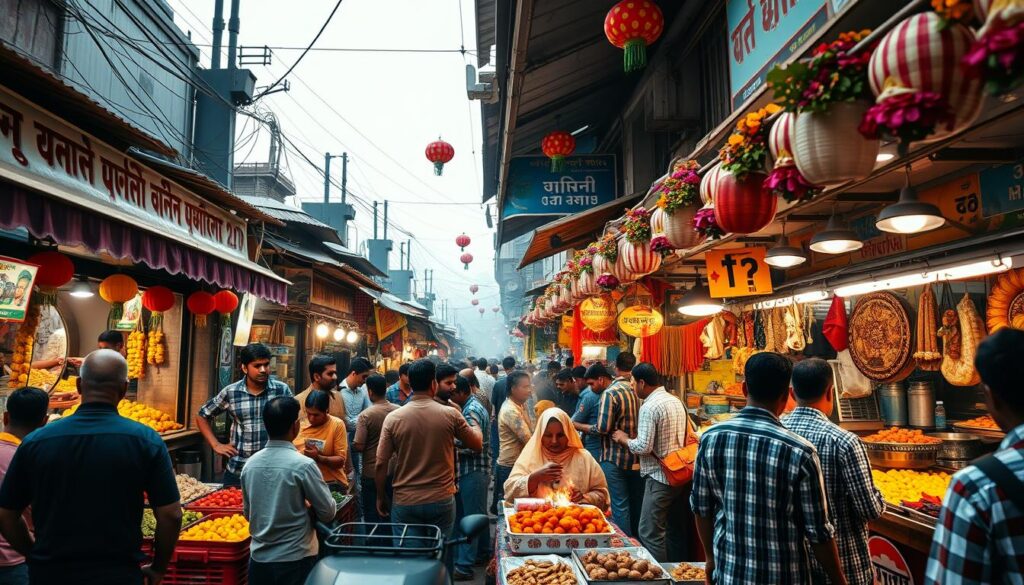
Delhi’s food culture is a melting pot of various influences, from Mughlai to international cuisines. The city’s culinary landscape is as diverse as its history, making food exploration one of the most rewarding experiences in the capital.
The streets of Old Delhi are not only famous for their historical monuments but also for their delicious food. From chole bhature to c crispy jalebis, this food tour is one of the unique things to do in Delhi. Old Delhi’s Chandni Chowk area is a food lover’s paradise, particularly Paranthe Wali Gali, which has been serving stuffed flatbreads since the 1870s.
Gali Kababian, or kebab lane, is another must-visit, offering a variety of kebabs that are sure to tantalize your taste buds. Shops like Natraj Dahi Bhalle and Old Famous Jalebi Wala have been serving signature dishes for generations, making them a must-visit for anyone looking to experience the authentic flavors of Delhi.
Street food specialties that define Delhi’s food culture include chaat, especially golgappas/pani puri, aloo tikki, and butter chicken, which was invented at Moti Mahal in Daryaganj. Winter treats like daulat ki chaat, a milk foam dessert, are also a highlight of Delhi’s culinary scene.
For those looking to dine in a more formal setting, Karim’s near Jama Masjid, established in 1913, remains one of Delhi’s most famous restaurants. It claims descent from cooks who served in the Mughal royal kitchen and offers authentic Mughlai cuisine, including their legendary mutton burra and nihari.
South Delhi neighborhoods like Khan Market, Hauz Khas Village, and Majnu ka Tilla offer specialized food experiences ranging from upscale dining to regional cuisines from across India and authentic Tibetan and Himalayan dishes. These areas are a testament to Delhi’s status as a city that embraces culinary diversity.
Food tours have become increasingly popular among tourists and locals alike, with specialized guides leading groups through Old Delhi’s labyrinthine lanes. They explain the history and cultural significance of different dishes while ensuring visitors sample the best and safest options.
For those concerned about street food hygiene, establishments like Haldiram’s, Bikanervala, and Saravana Bhavan offer more sanitized environments to sample traditional foods. However, many food enthusiasts argue that the authentic experience requires braving the street stalls.
In conclusion, Delhi’s culinary journey is a reflection of its rich cultural heritage and diversity. Whether you’re a food enthusiast or just looking to try something new, Delhi’s places to visit for food are sure to leave you with a lasting impression.
Planning Your Delhi Heritage and Cultural Tour
As you plan your trip to Delhi, consider the best time to visit and how to make the most of your heritage and cultural tour. Delhi, being a city with a rich history, offers a plethora of experiences for visitors and tourists alike.
The best time to visit Delhi is from October to March when the weather is pleasant, making it ideal for sightseeing. Avoiding the extreme summer heat (April-June) and monsoon season (July-September) can make your tour more enjoyable. With its excellent metro system, Delhi provides various transportation options, including auto-rickshaws for shorter distances and ride-sharing services like Uber and Ola.
Delhi serves as the perfect starting point for the popular Golden Triangle tour, connecting three iconic destinations – Delhi, Agra (home of the Taj Mahal), and Jaipur (the Pink City) – offering travelers a comprehensive introduction to North India’s cultural heritage. When planning your itinerary, consider dividing Delhi into geographical sections (Old Delhi, Central Delhi, South Delhi) to minimize travel time.
For photography enthusiasts, planning visits to monuments like India Gate and Red Fort during the golden hours of early morning or late afternoon can provide the best lighting conditions. Carrying a zoom lens for architectural details and a wide-angle lens for expansive monuments can enhance your photography experience.
Safety considerations are also crucial when touring Delhi. Dressing modestly, especially at religious sites, staying hydrated, using reputable transportation, being cautious with street food, and keeping valuables secure in crowded areas are some of the precautions to take.
To enhance your Delhi experience, consider specialized tours focused on themes like colonial architecture, street food, photography walks, or shopping expeditions. Many of these tours can be pre-booked online or arranged through your accommodation, making it easier to plan your tour.
In conclusion, Delhi is a destination that offers a rich cultural and historical experience. With proper planning, you can make the most of your visit and enjoy the city’s numerous attractions, including its best places to visit and explore.